
From ancient rock walls to global contemporary galleries — African art has never been one thing. It’s been thousands of years of innovation, power, faith, trade, and storytelling.
We begin with the Nok terracotta heads of Nigeria (c. 1000 BCE), some of the earliest known sculptures in sub-Saharan Africa. We move through the rock paintings of the Sahara and southern Africa — images of hunters, cattle, and spiritual worlds painted thousands of years ago.
Then come the naturalistic bronze heads of Ife, the royal plaques of Benin, and the massive stone walls of Great Zimbabwe. We see the mud-brick brilliance of the Great Mosque of Djenné, the coral stone mosques of the Swahili Coast, and the rock-hewn churches of Lalibela carved straight from the earth.
African art tells stories of kings and ancestors, trade routes and sacred power — from Kongo nail figures to Chokwe masks, from Ethiopian illuminated manuscripts to Timbuktu scholarship.
And it doesn’t stop in the past.
Modern and contemporary artists like El Anatsui, Yinka Shonibare, Wangechi Mutu, Ben Enwonwu, and Skunder Boghossian continue to reshape global art conversations today.
African art isn’t a single style.
It’s a timeline.
It’s a continent.
It’s still unfolding.
Nok Terracotta Heads (Nigeria)
c. 1000 BCE – 300 CE
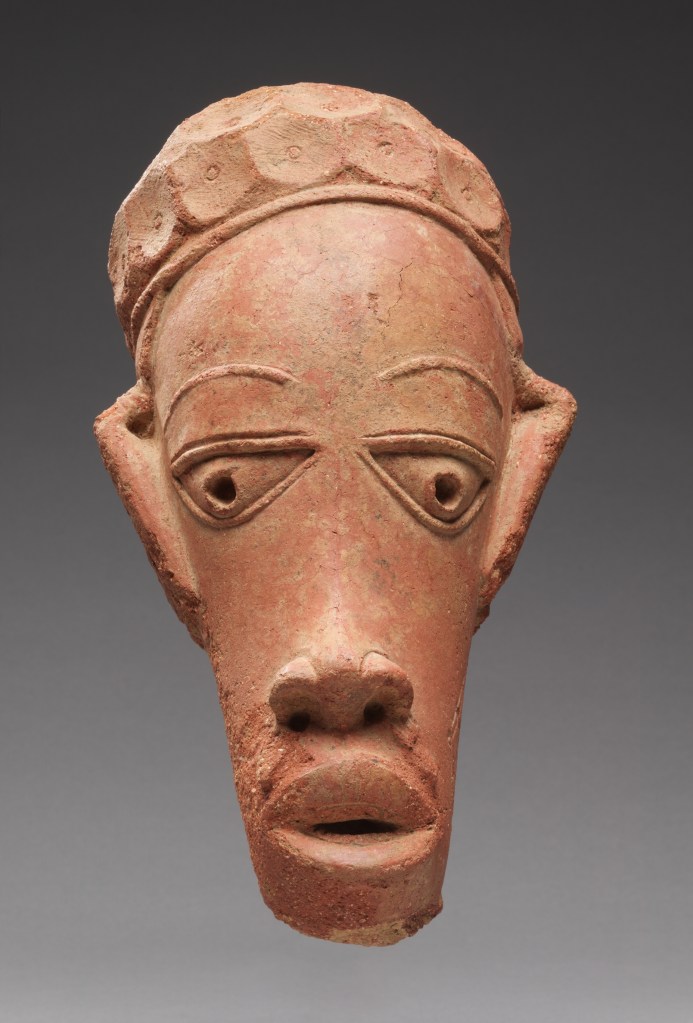
One of the earliest known sculptural traditions in sub-Saharan Africa. Stylized human heads with triangular eyes and elaborate hairstyles.
Rock Paintings (Southern & Northern Africa)
c. 10,000 BCE – 1,000 CE (varies widely)
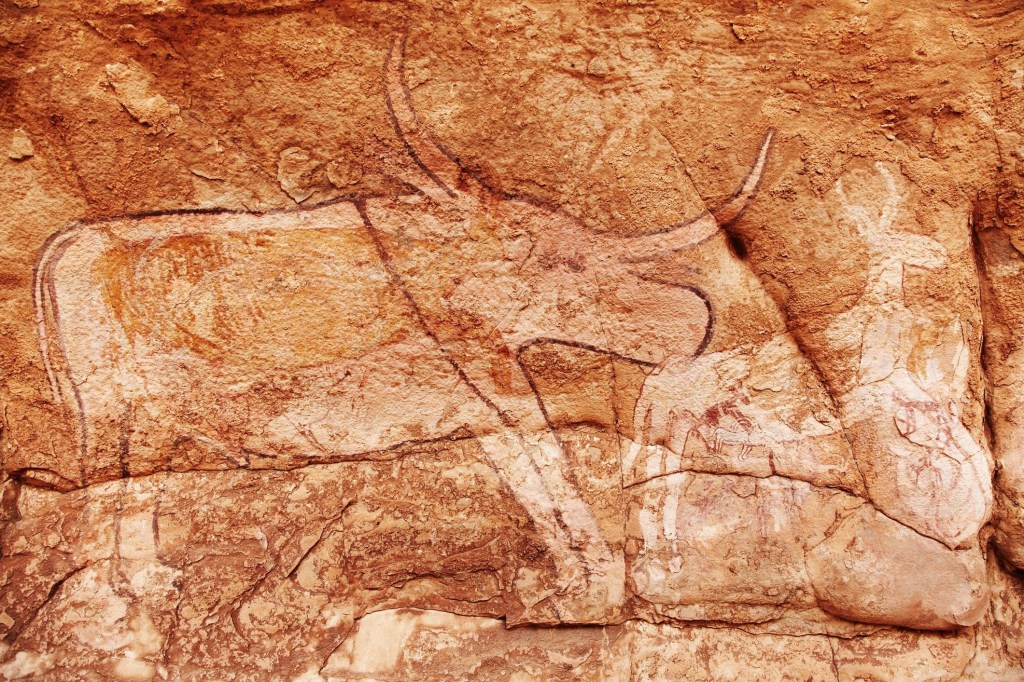
- Southern Africa: San/Bushmen spiritual and hunting scenes
- Northern Africa: Saharan cattle and ritual imagery
Some are among the oldest artworks on the continent.
Head of a King, Ife (Nigeria)
c. 12th–15th century CE
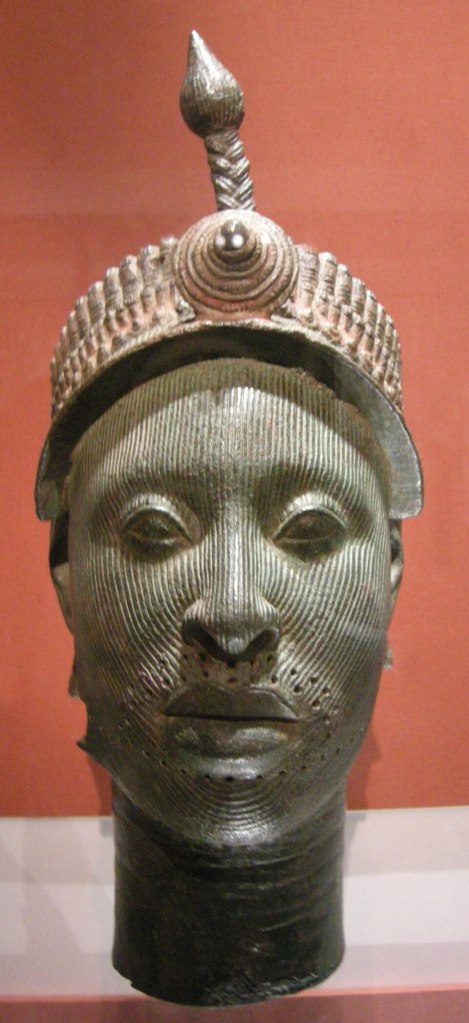
Extraordinary naturalism in copper alloy and terracotta. Often associated with the sacred city of Ife in Yoruba culture.
Benin Plaques & Ivory Masks (Nigeria)
c. 16th–18th century CE
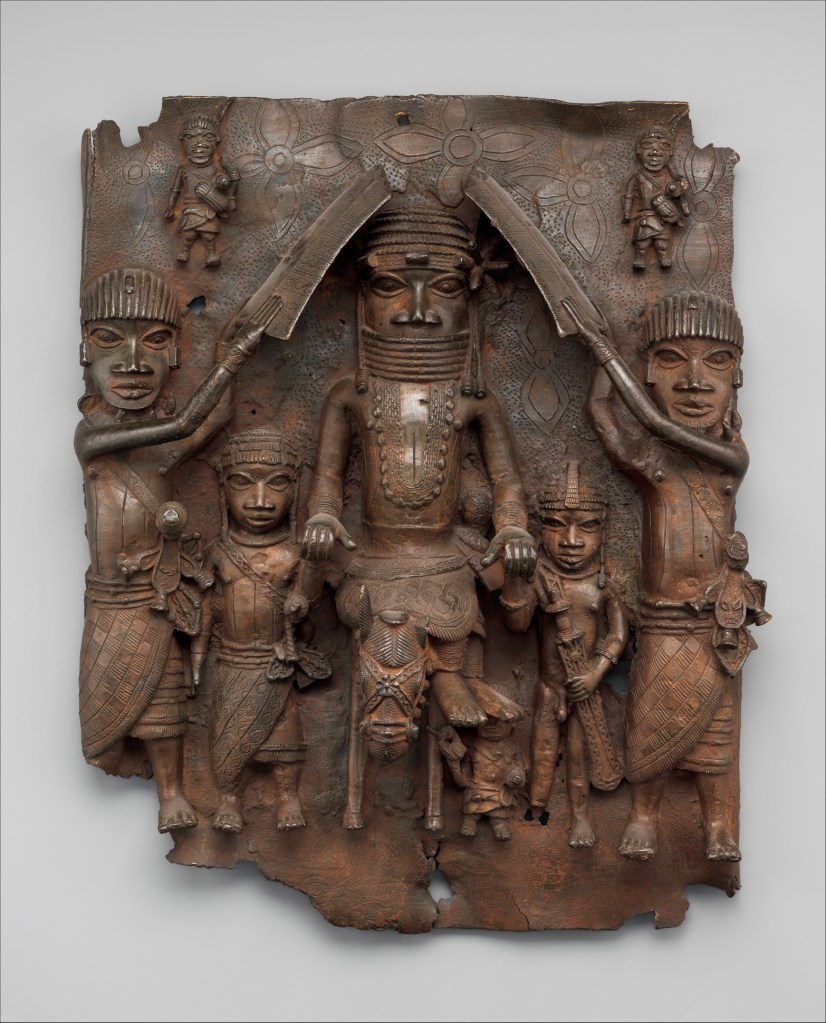
Royal court art from the Kingdom of Benin. Narrative relief plaques and iconic ivory masks such as Queen Mother Idia.
Great Mosque of Djenné
Original: 13th century CE | Current structure: 1907
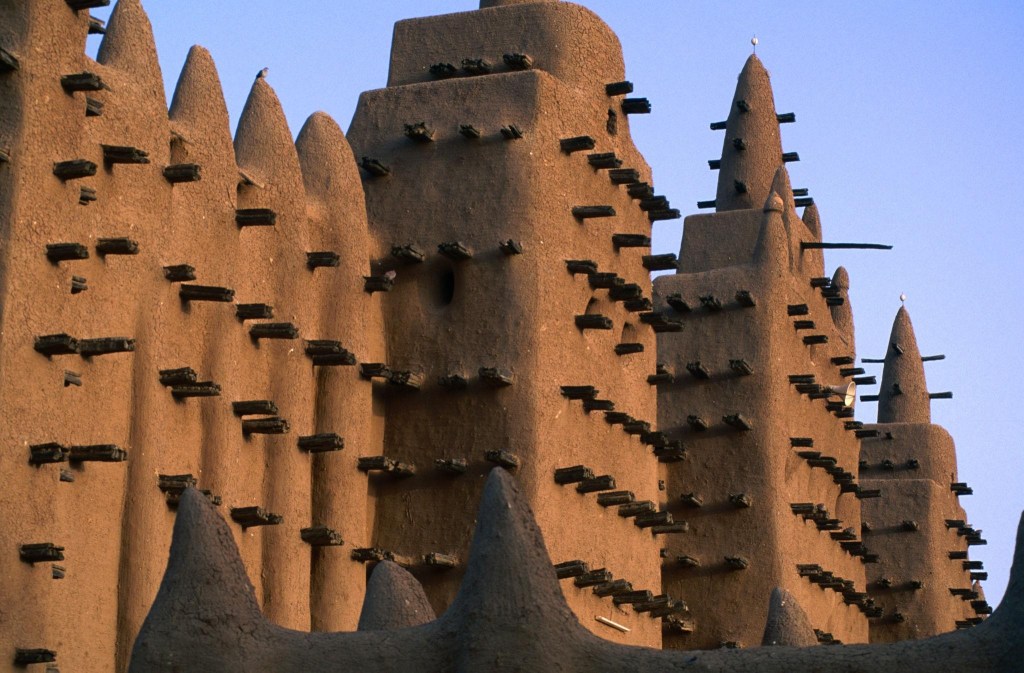
Largest mud-brick building in the world. A masterpiece of Sudano-Sahelian architecture.
Kongo Power Figures (Nkisi Nkondi)
c. 16th–19th century CE
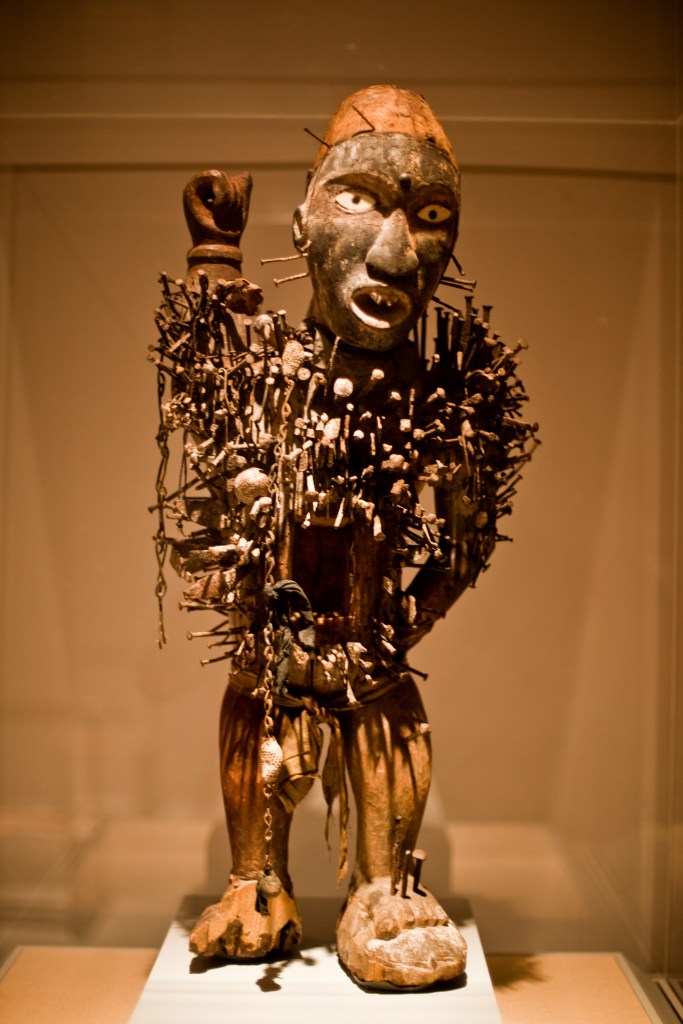
Wooden figures embedded with nails, blades, and ritual materials to activate spiritual power.
Chokwe Masks (Angola, DRC)
19th–20th century CE
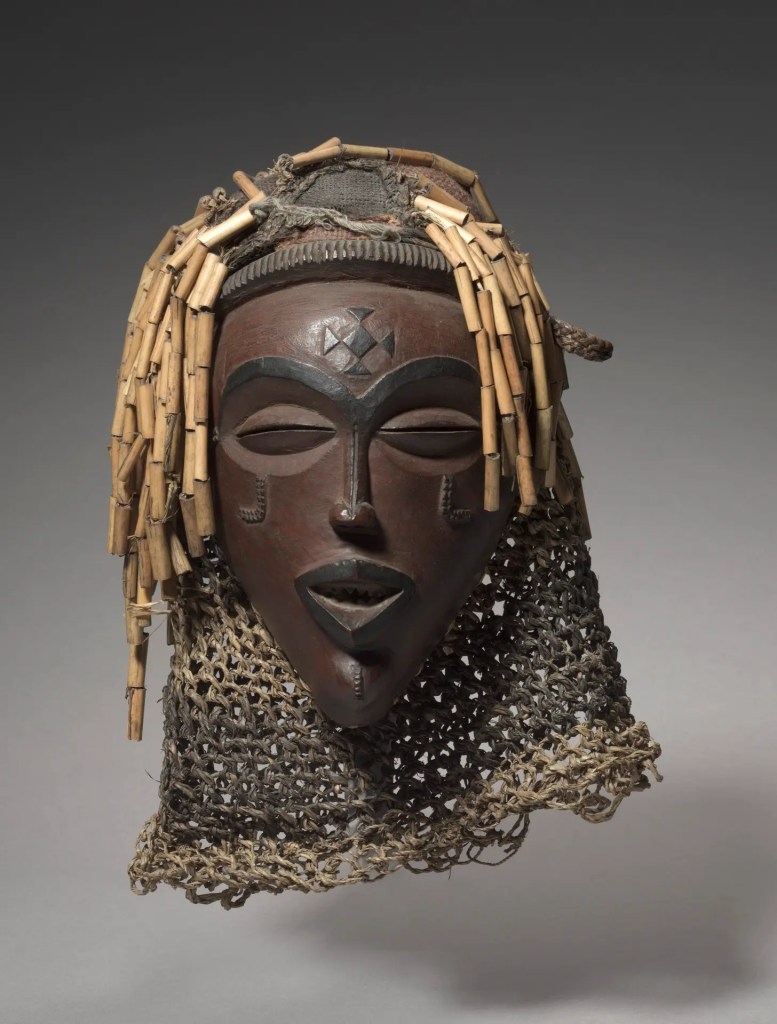
The mwana pwo mask represents an idealized female ancestor. Used in masquerade and storytelling traditions.
Swahili Coast Architecture
c. 12th–16th century CE
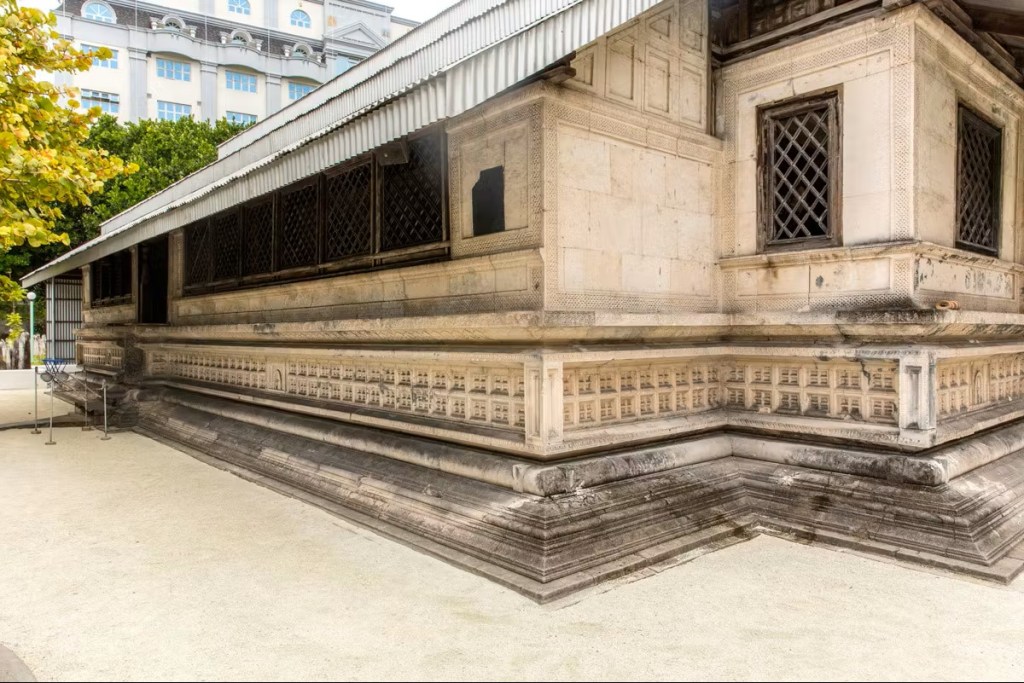
Coral stone mosques and intricately carved wooden doors reflect Indian Ocean trade networks.
Aksumite & Lalibela (Ethiopia)
Aksumite Stelae
c. 4th century CE
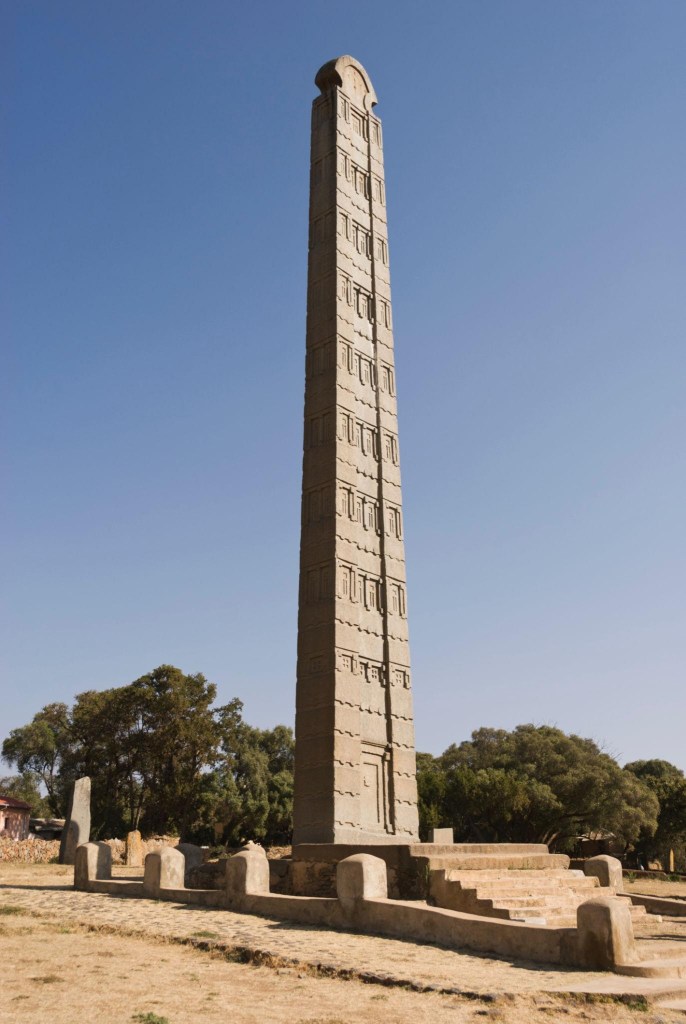
Entire churches carved from solid rock — architectural marvels.
Ethiopian Illuminated Manuscripts
c. 14th–18th century CE
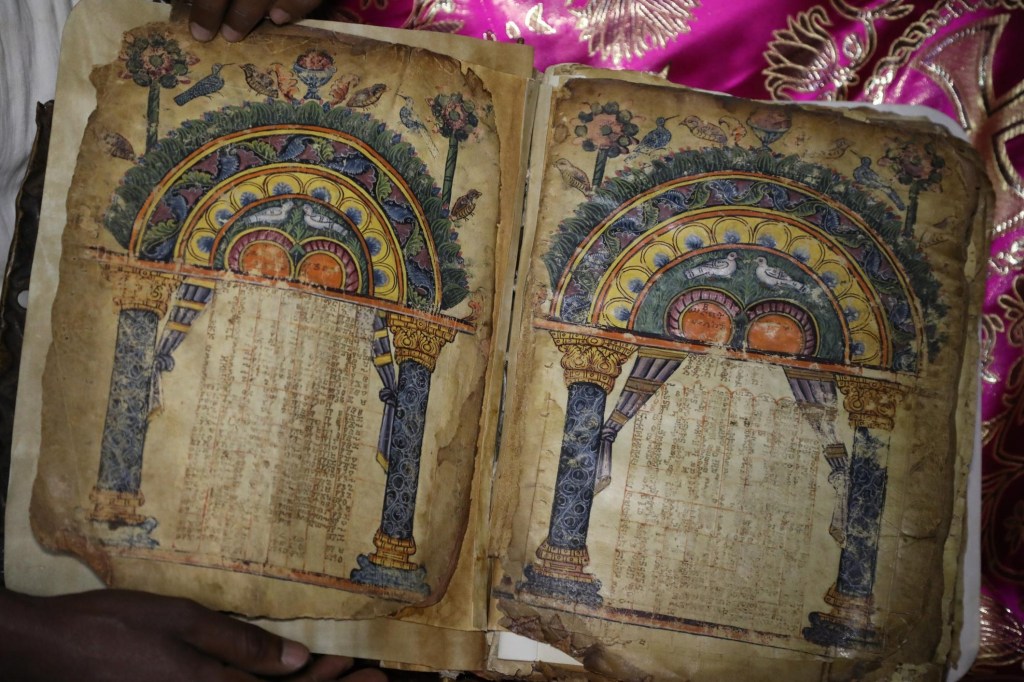
Bold color, frontal figures, and strong line work. Christian tradition deeply rooted in African visual language.
Manuscripts, Textiles & Trade Items
Medieval–Early Modern Period
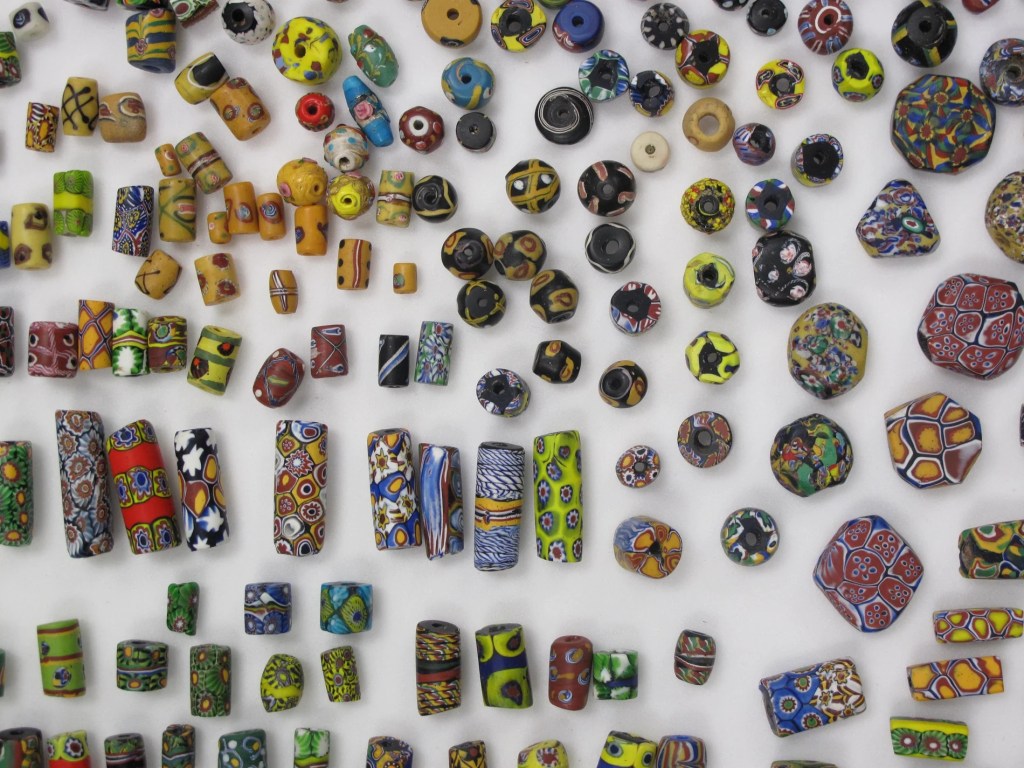
Gold weights & trade goods
Great Mosque of Kilwa Kisiwani
11th–14th century CE
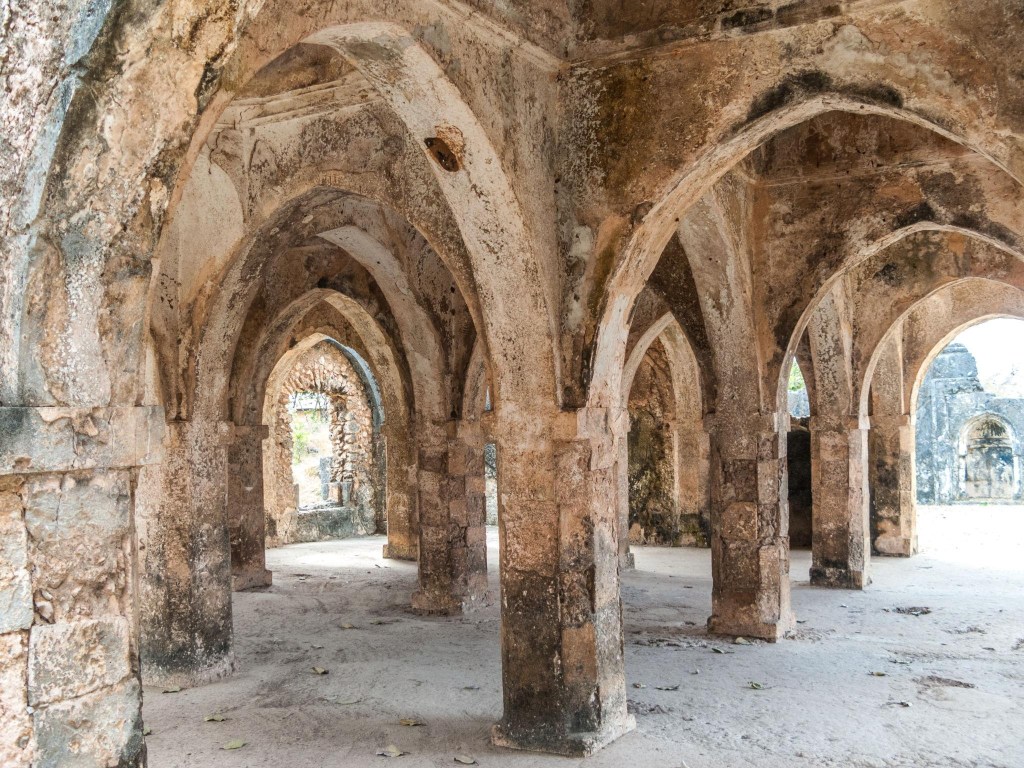
One of the earliest mosques on the Swahili Coast.
Modern & Contemporary African Artists
Ben Enwonwu
1917–1994
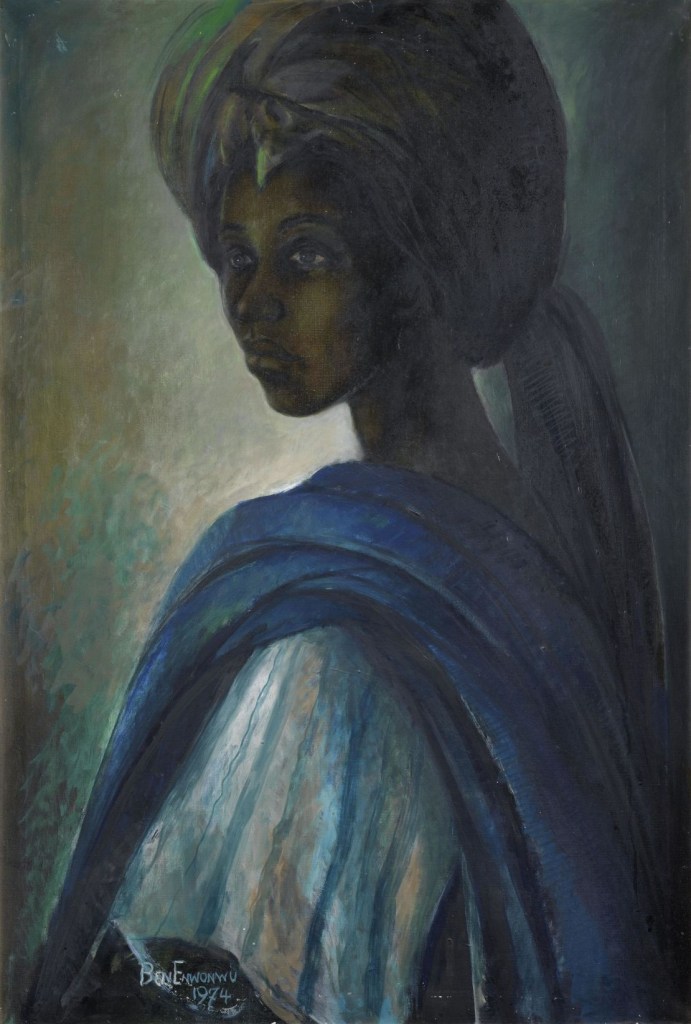
Modern Nigerian artist blending African themes with European modernism.
Skunder Boghossian
1937–2003
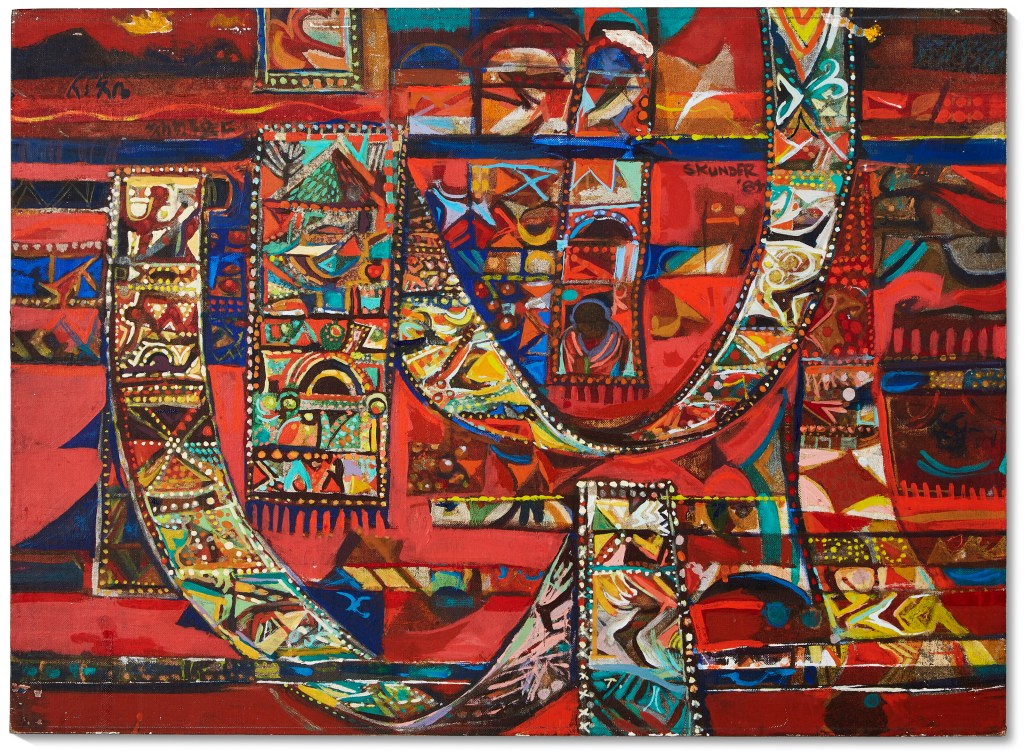
Fuses Ethiopian iconography with abstraction and surrealism.
El Anatsui
Born 1944
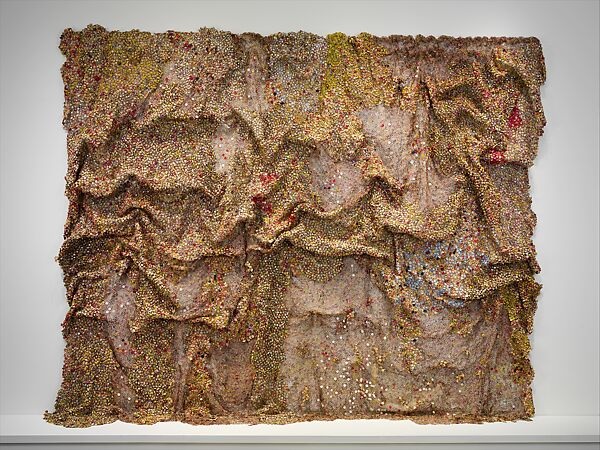
Bottle-top tapestries referencing trade, consumption, and history.
Yinka Shonibare
Born 1962
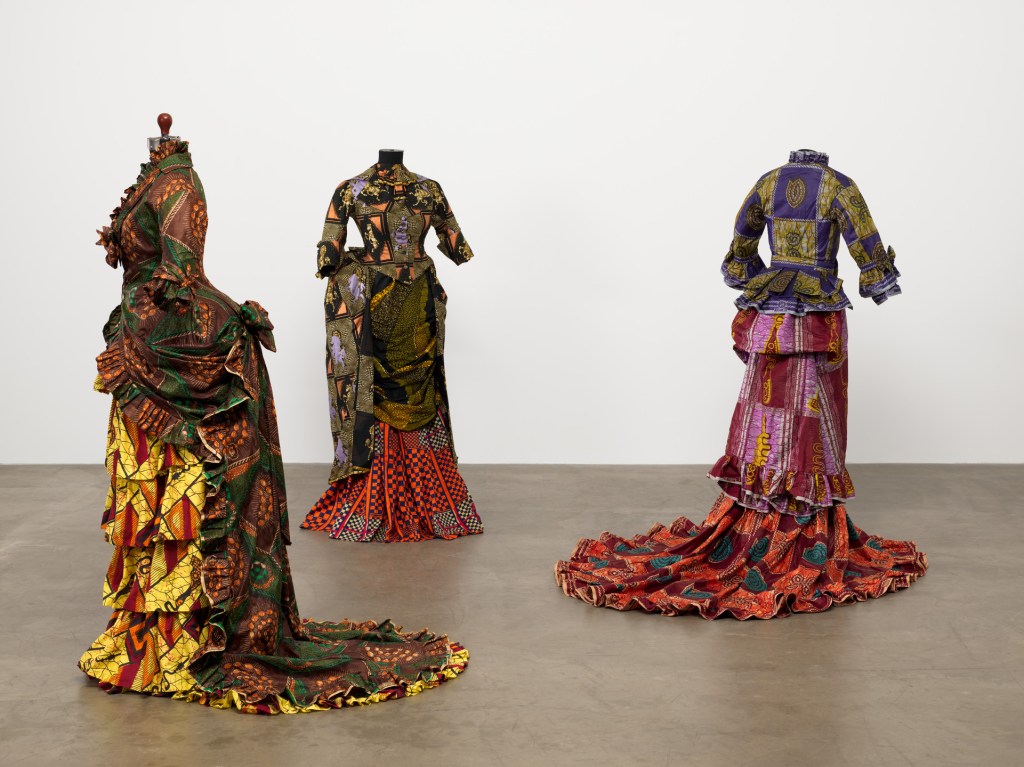
Reinterprets European art history using Dutch wax fabrics.
Wangechi Mutu
Born 1972
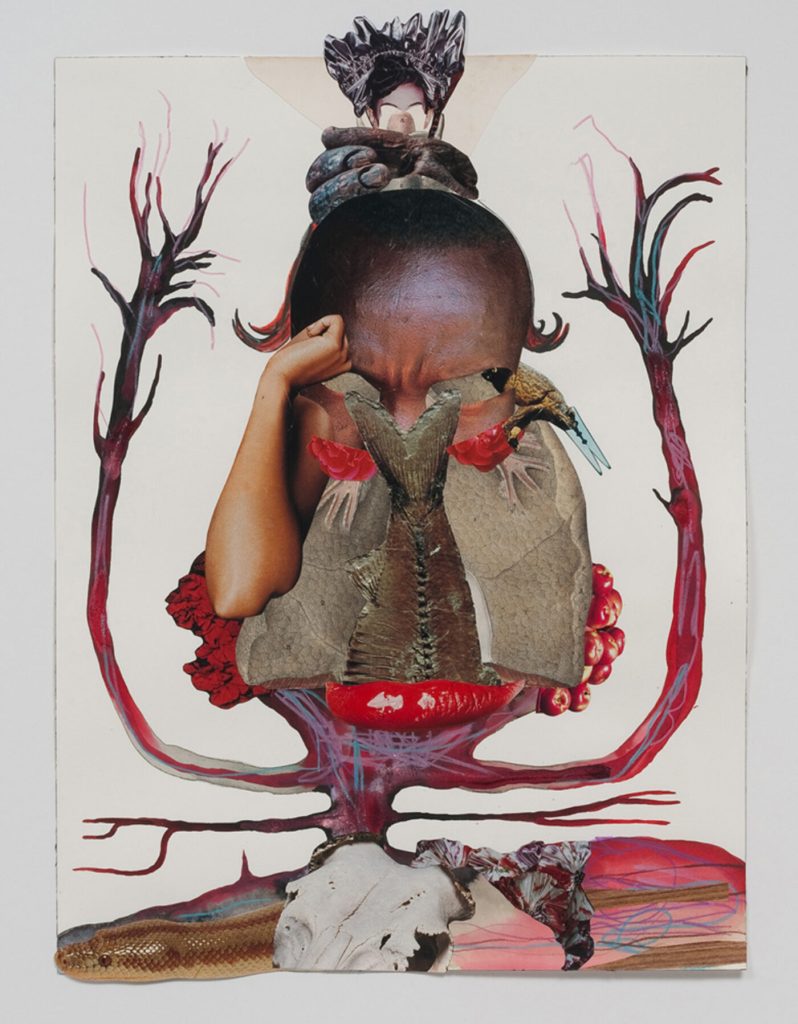
Known for hybrid female forms in collage and sculpture.
 Armchair Art Share
Leave a comment