
Late Renaissance & Mannerism: When Art Broke Its Own Rules
The Late Renaissance, roughly spanning 1520 to 1600, marks a fascinating turning point in art history. After the near-perfection achieved by artists like Leonardo da Vinci and Raphael, the artistic world began to shift. Balance, harmony, and ideal beauty had already been mastered during the High Renaissance. So instead of refining those same ideals, many artists began exploring new directions. This period becomes less about perfecting reality and more about reimagining it. The result is a transition into a more complex and expressive artistic landscape.
A World in Upheaval
The changes in art didn’t happen in isolation—they reflected a world undergoing major transformation. The Protestant Reformation fractured the unity of the Catholic Church and reshaped religious life across Europe. At the same time, the devastating Sack of Rome dealt a symbolic and physical blow to the heart of the Renaissance. Political instability, wars, and shifting power structures added to a growing sense of uncertainty. The confident, orderly worldview of the High Renaissance began to feel out of step with reality. Artists responded by creating works that reflected tension, ambiguity, and emotional intensity.
Late Renaissance Art: Drama with Balance
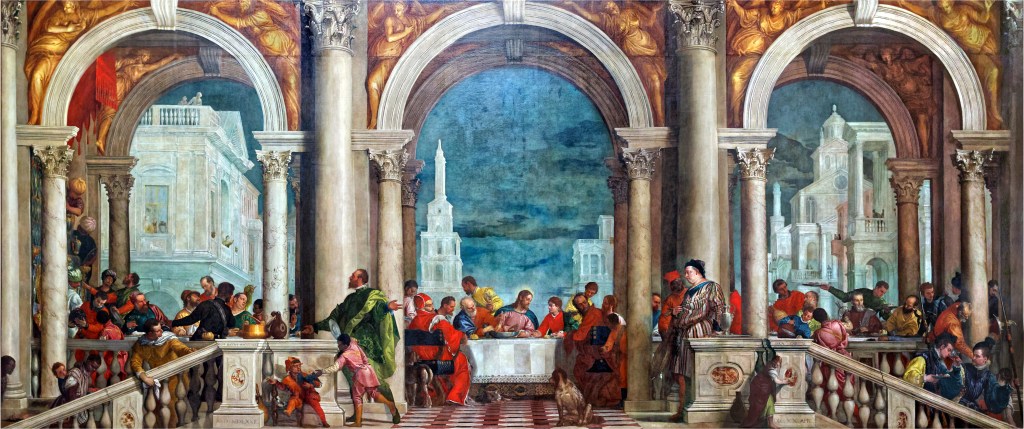
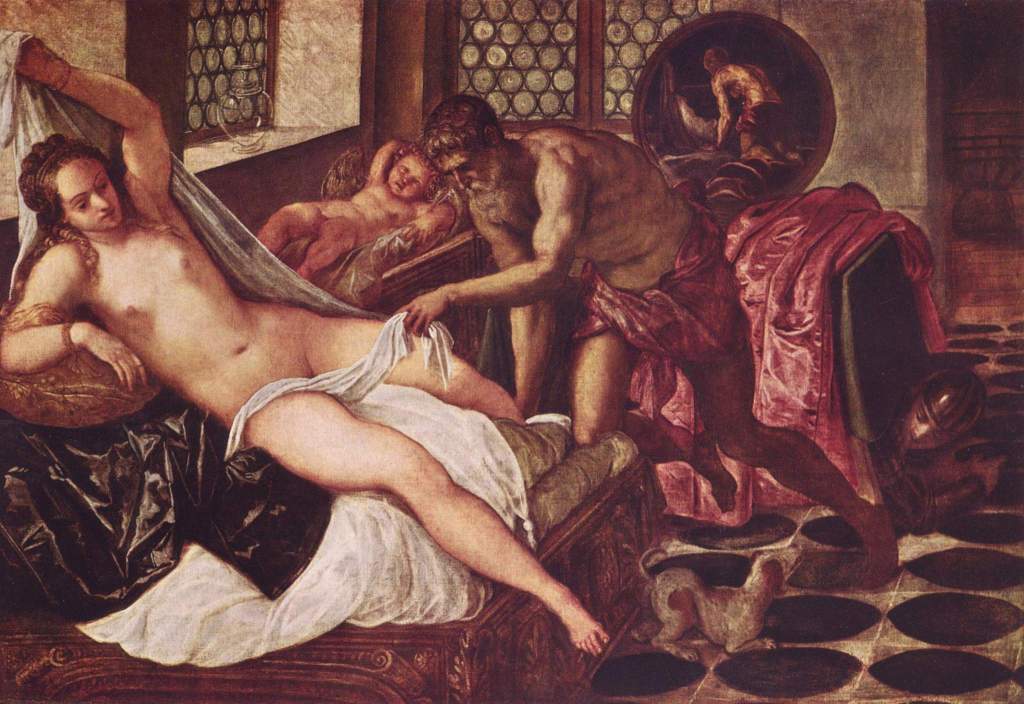
Not all artists abandoned Renaissance ideals. In places like Venice, painters continued to develop the traditions of the High Renaissance while adding greater drama and richness. Artists such as Paolo Veronese and Tintoretto created grand, theatrical scenes filled with vibrant color and movement. Works like The Feast in the House of Levi showcase large-scale compositions that remain grounded in believable space and proportion. These paintings are energetic and visually impressive, but they still maintain a sense of order. This branch of Late Renaissance art represents continuity rather than disruption. It’s evolution—not revolution.
The Rise of Mannerism
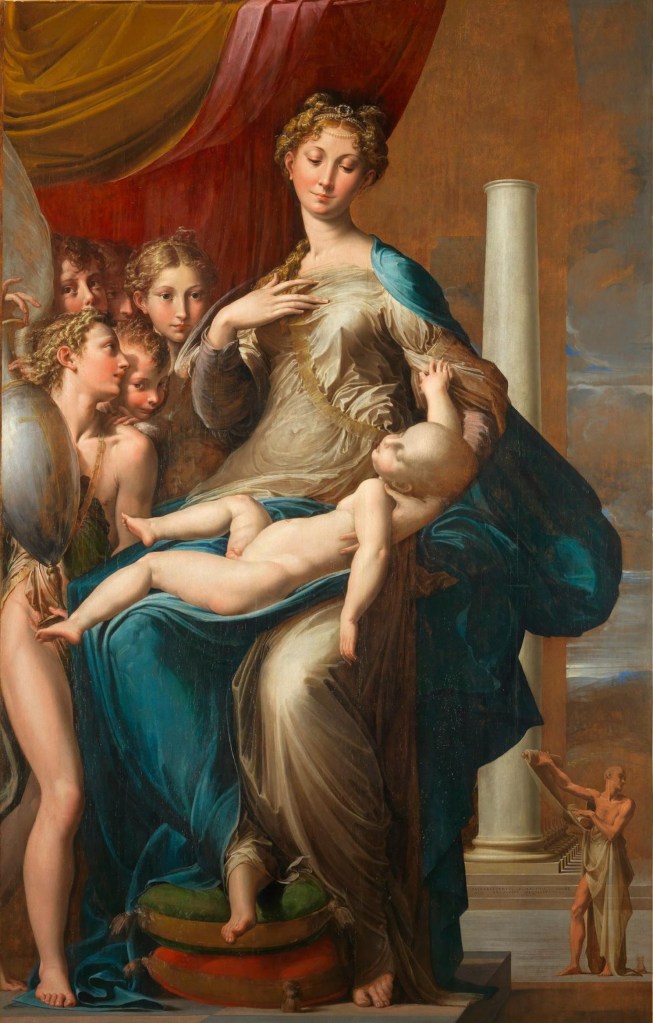
At the same time, a new style emerged: Mannerism. The name comes from the Italian maniera, meaning “style” or “manner,” and that’s exactly what artists began emphasizing. Instead of striving for naturalism, they focused on elegance, technical skill, and artistic individuality. Mannerism can be seen as both a reaction to High Renaissance perfection and a reflection of a more unstable world. When perfection feels unreachable—or already achieved—artists start experimenting. This experimentation led to bold, sometimes strange new approaches to form and composition.
What Defines Mannerist Art?
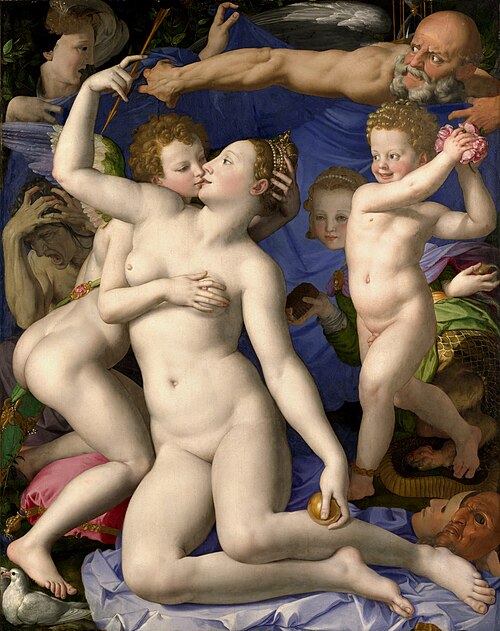
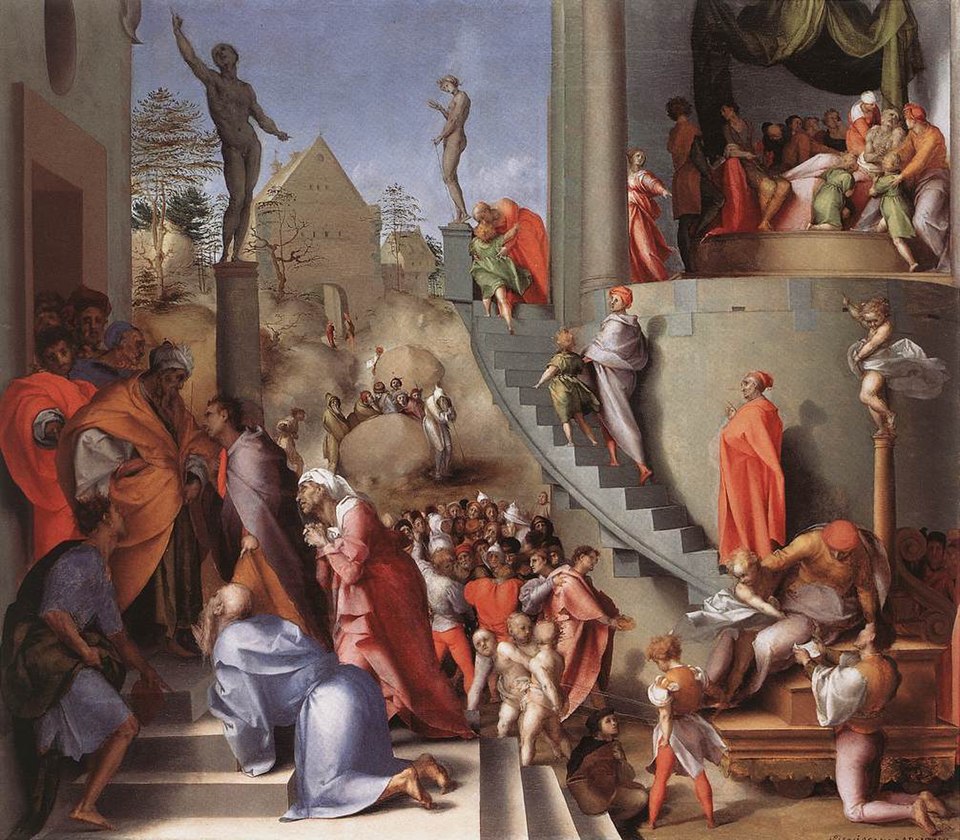
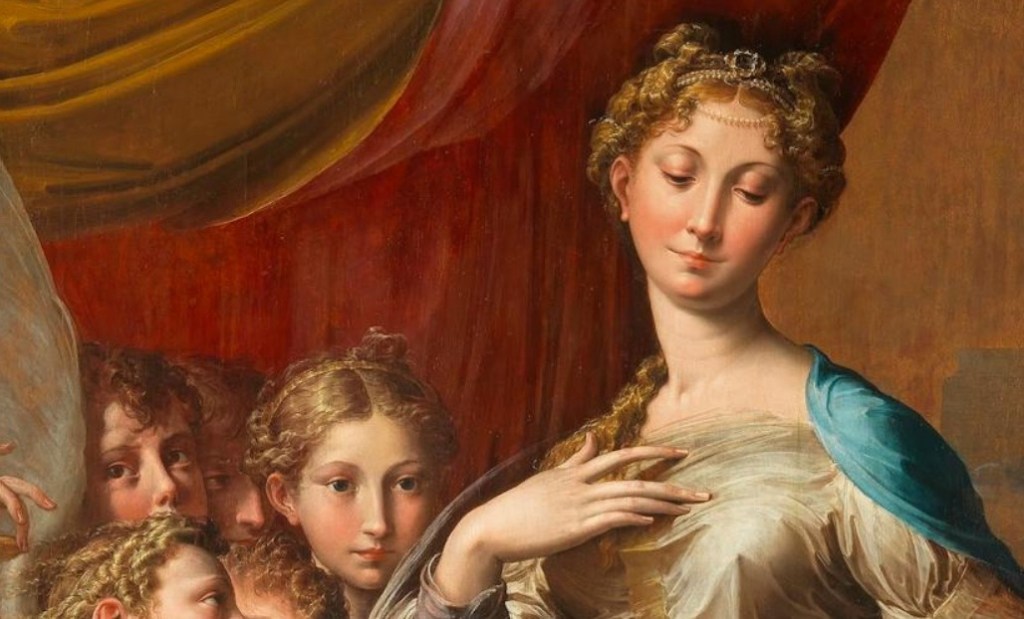
Mannerist paintings are immediately recognizable once you know what to look for. Figures are often elongated, with stretched limbs and small heads, as seen in works by Parmigianino. Compositions can feel crowded or off-balance, with unclear spatial relationships, a hallmark of artists like Pontormo. Colors may appear artificial or exaggerated, and emotional expressions often feel controlled or theatrical rather than natural. The goal isn’t realism—it’s sophistication and complexity. Mannerist art invites viewers to notice the artistry itself, not just the subject.
Late Renaissance vs. Mannerism
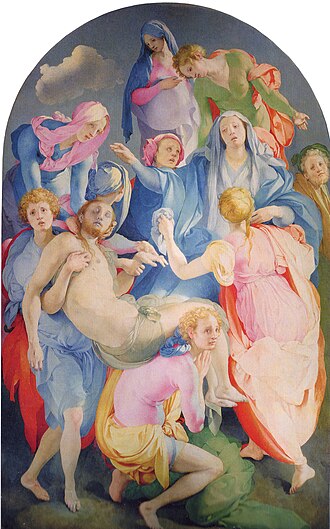
The difference between Late Renaissance and Mannerism comes down to intention. Late Renaissance artists still aimed for harmony, even when their work became more dramatic. Mannerist artists, on the other hand, deliberately broke those rules. They distorted proportions, twisted poses, and created tension where there once was balance. One style refines tradition, while the other challenges it. Seeing them side by side makes this contrast especially clear.
Key Examples of Mannerism
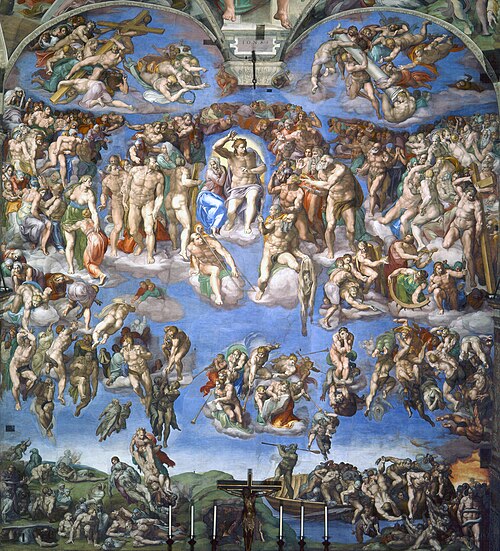
Some of the most striking examples of Mannerism highlight this shift away from realism. The Last Judgment by Michelangelo features a crowded, chaotic composition filled with exaggerated, muscular figures. Madonna with the Long Neck stretches the human form into something elegant but unnatural. The Burial of the Count of Orgaz by El Greco blends the physical and spiritual worlds through elongated figures and dramatic lighting. Each of these works demonstrates how far artists were willing to push beyond classical norms. They are not just paintings—they are experiments in style and expression.
A Bridge to the Future
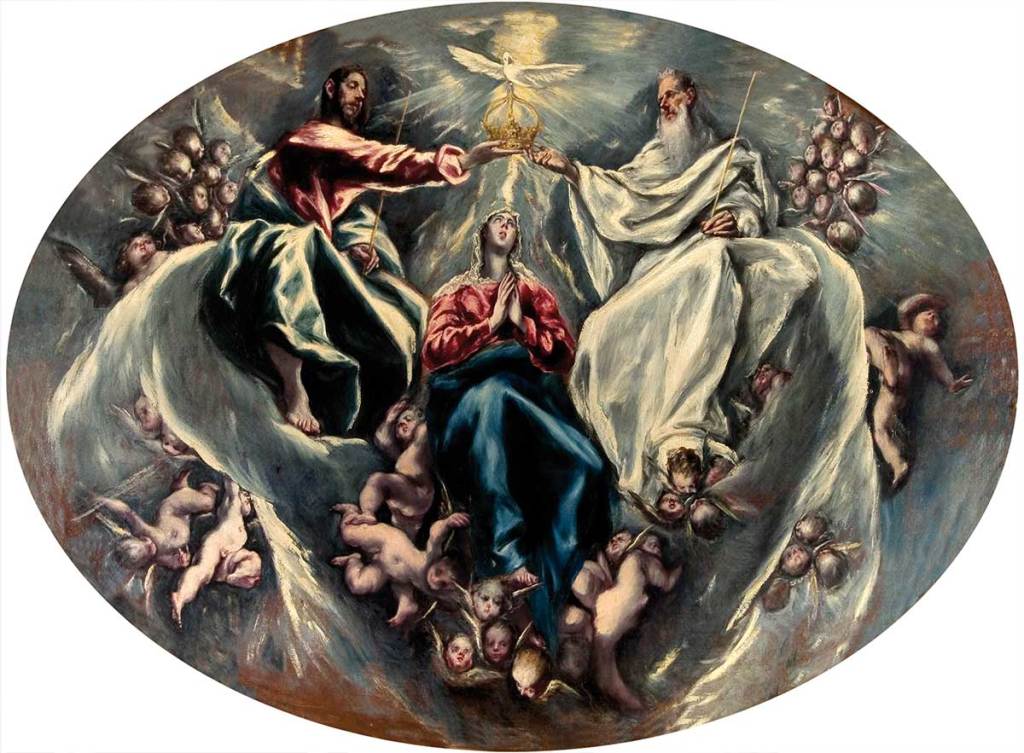
The Late Renaissance and Mannerism represent more than just a shift in style—they mark a change in artistic thinking. Artists moved from perfecting reality to questioning it, stretching it, and reshaping it. This period reflects a world filled with uncertainty, creativity, and transformation. And in many ways, it sets the stage for what comes next: the emotional intensity and grandeur of the Baroque period. Mannerism may feel strange at first, but it’s that very strangeness that makes it so compelling. It reminds us that art doesn’t just reflect the world—it reacts to it.


Leave a Reply