
If the Rococo period felt like a lavish ballroom full of pastel colors, playful romance, and decorative excess, Neoclassicism walked into the room and said, “Alright, everybody settle down.” Emerging around 1770 and lasting into the mid-1800s, Neoclassical art was a dramatic shift away from the emotional extravagance of the Baroque and the frivolity of Rococo. Instead, artists turned their eyes backward—to the ancient civilizations of Greece and Rome—in search of order, balance, logic, and moral seriousness.
The Neoclassical movement developed during a time of major intellectual and political change. The 18th century Age of Enlightenment emphasized reason, science, education, and rational thought. Philosophers encouraged people to question old traditions and think critically about society and government. Artists absorbed these ideas and began creating works that reflected discipline, virtue, heroism, and civic duty rather than fantasy or aristocratic leisure. Neoclassical art became deeply connected to ideals of morality, patriotism, and intellectual clarity.
One of the major sparks that ignited Neoclassicism was archaeology. In the mid-1730s and 1740s, serious excavations began at the ancient Roman cities of Pompeii and Herculaneum in Italy. These cities had been buried for centuries after the eruption of Mount Vesuvius in 79 CE. As archaeologists uncovered frescoes, sculptures, buildings, mosaics, and everyday objects, Europe suddenly gained a direct window into the ancient world. People were stunned by how sophisticated Roman art and architecture had been. Interest in classical antiquity exploded almost overnight.
At the same time, wealthy young European men often participated in what was called the “Grand Tour,” a traditional educational journey through Europe that usually occurred around age twenty-one. Rome became one of the most important stops on this tour. Travelers visited ruins, studied classical sculpture, and collected ancient artifacts. These experiences helped spread the ideals of Neoclassicism from Italy throughout Europe and eventually into America.
Another enormous influence on the movement was the German scholar and archaeologist Johann Joachim Winckelmann. Many historians consider him the father of art history itself. In the mid-1700s, Winckelmann wrote extensively about ancient Greek and Roman art. He argued that the greatness of classical art came from what he called “noble simplicity and calm grandeur.” He believed artists should imitate the ancients if they wished to achieve greatness themselves. His writings deeply shaped artistic taste across Europe and helped fuel the return to classical ideals.
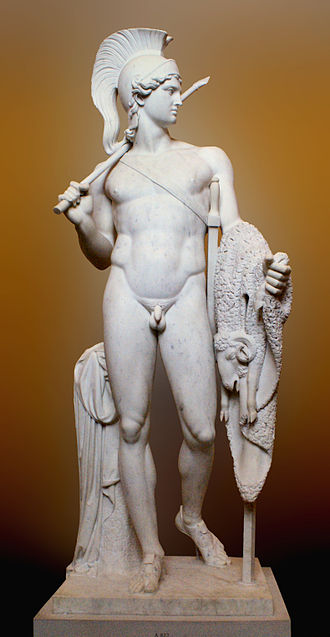
Visually, Neoclassical art is usually easy to recognize. Unlike the swirling movement and dramatic theatricality of the Baroque, Neoclassical works tend to feel stable and organized. Artists favored strong horizontal and vertical lines, clear compositions, symmetry, and carefully balanced proportions. The subjects were often drawn directly from Greek mythology, Roman history, or heroic historical events. Figures were idealized but controlled, with calm expressions and deliberate poses. Everything feels measured and intentional.
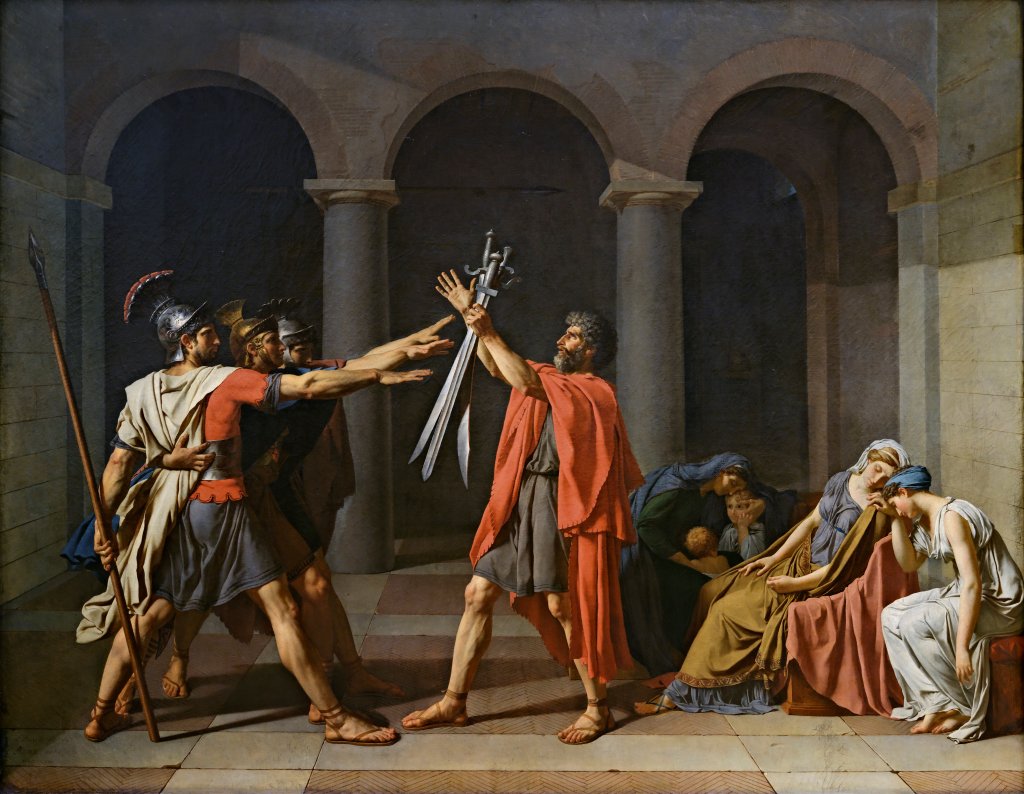
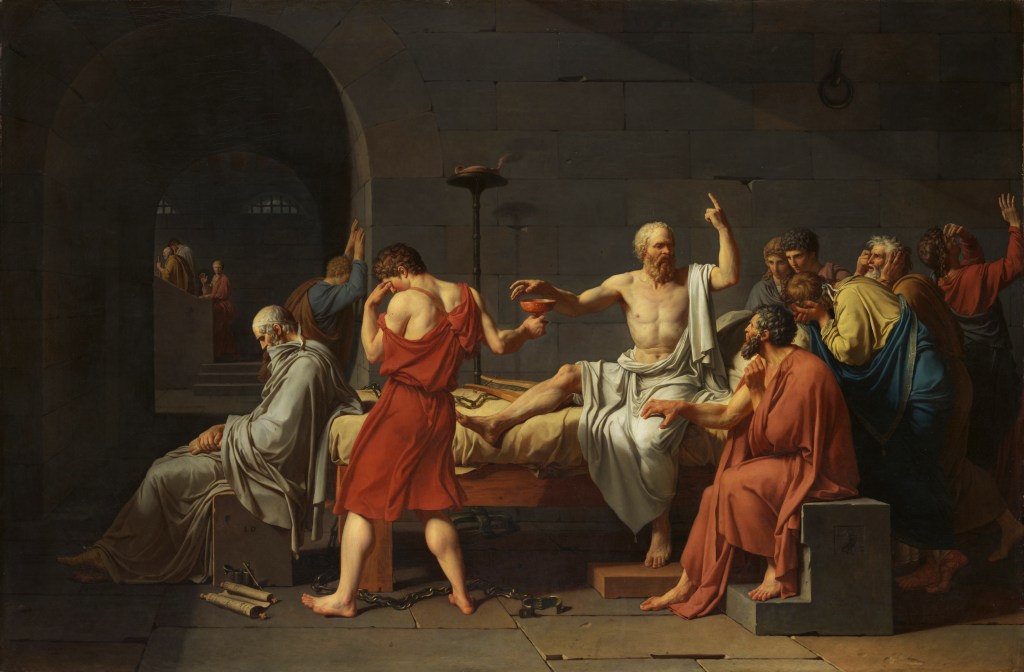
One of the central figures of the movement was Jacques-Louis David, who is often called the father of Neoclassical art. David’s paintings perfectly captured the movement’s emphasis on heroism, sacrifice, patriotism, and discipline. His work often looked less like a spontaneous emotional moment and more like a carefully staged moral lesson from antiquity. During the French Revolution, his art became closely tied to revolutionary ideals and political propaganda.
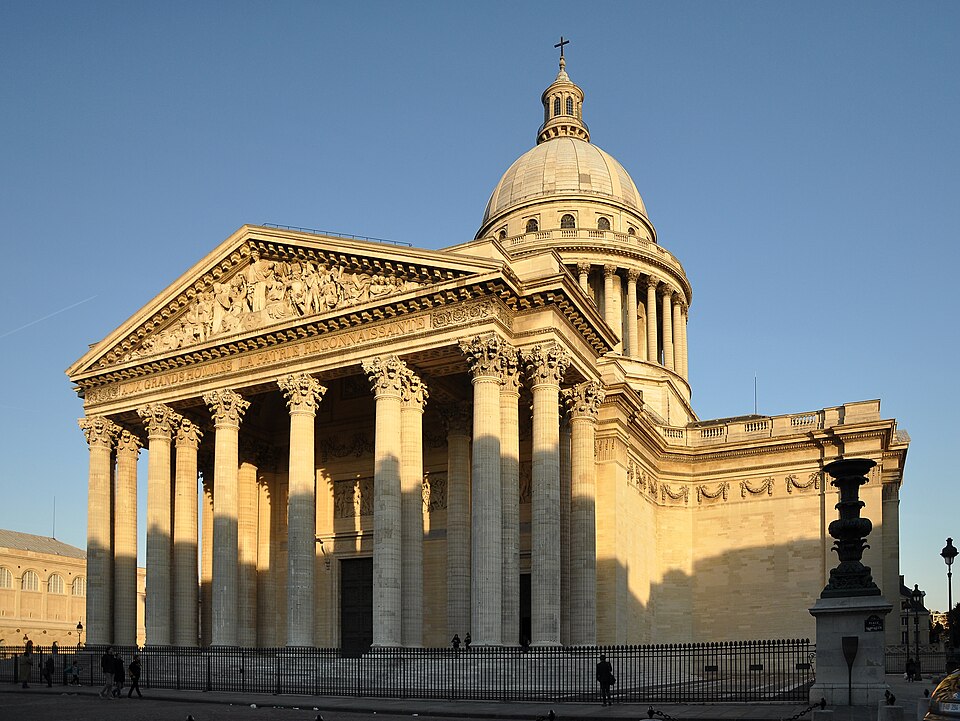
Neoclassicism also had a major impact on architecture. Architects looked back to Greek temples and Roman public buildings for inspiration. Buildings featured columns, domes, triangular pediments, and symmetrical layouts. The style became especially popular for government buildings because it communicated stability, democracy, order, and permanence. Even today, many capitol buildings, courthouses, and museums still carry the visual language of Neoclassicism.
Four major factors led to the rise of the Neoclassical movement. First, there was a growing pushback against the ornate excesses of the Baroque and Rococo styles. Second, the writings of Johann Joachim Winckelmann encouraged artists to imitate Greek and Roman ideals. Third, the excavations of Pompeii and Herculaneum reignited fascination with the ancient world. Finally, the intellectual atmosphere of the Enlightenment encouraged clarity, reason, and order—all qualities that aligned perfectly with Neoclassical aesthetics.
Ten Important Artists of Neoclassicism
- Jacques-Louis David
- Jean-Auguste-Dominique Ingres
- Antonio Canova
- Angelica Kauffman
- Benjamin West
- John Flaxman
- Bertel Thorvaldsen
- Jacques-Germain Soufflot
- Étienne-Louis Boullée
- Thomas Jefferson
Ten Important Works of Neoclassical Art and Architecture
- Oath of the Horatii
- The Death of Socrates
- Napoleon Crossing the Alps
- Grande Odalisque
- Psyche Revived by Cupid’s Kiss
- Perseus with the Head of Medusa
- The Panthéon
- Monticello
- The White House
- The British Museum
Neoclassicism ultimately reminds us that art movements often react against what came before them. Where Rococo celebrated pleasure and ornament, Neoclassicism pursued reason and restraint. By looking back to Greece and Rome, Neoclassical artists believed they could recover timeless ideals about beauty, virtue, and civilization itself. Even centuries later, the influence of Neoclassicism still surrounds us—in museums, monuments, government buildings, and the visual language we associate with power, democracy, and cultural sophistication.


Leave a Reply