
Romanticism art traded cold logic for raw emotion, dramatic landscapes, revolution, and the power of imagination. From stormy seas to heroic uprisings, Romantic artists captured the beauty, chaos, and passion of the human experience. Step into an era where art became emotional, sublime, and unforgettable.
Romanticism began in the late 1700s and flourished through the mid-1800s.
It developed partly as a reaction against the strict logic of the Enlightenment and the order of Neoclassicism.
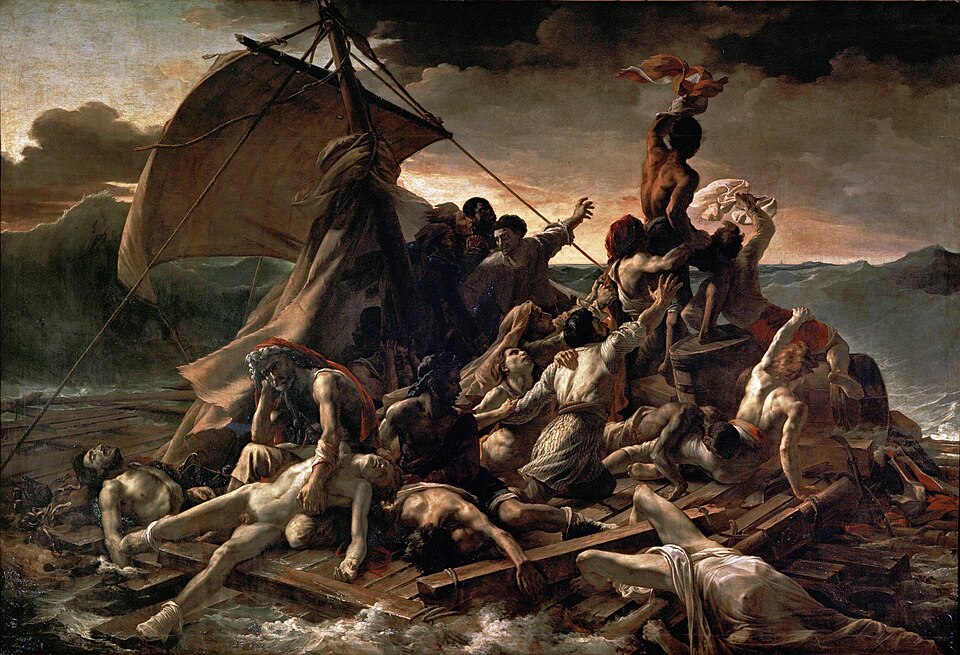
Emotion and imagination were central to Romantic art.
Artists focused on powerful feelings like awe, fear, passion, loneliness, wonder, and heroism rather than calm reason and balance.
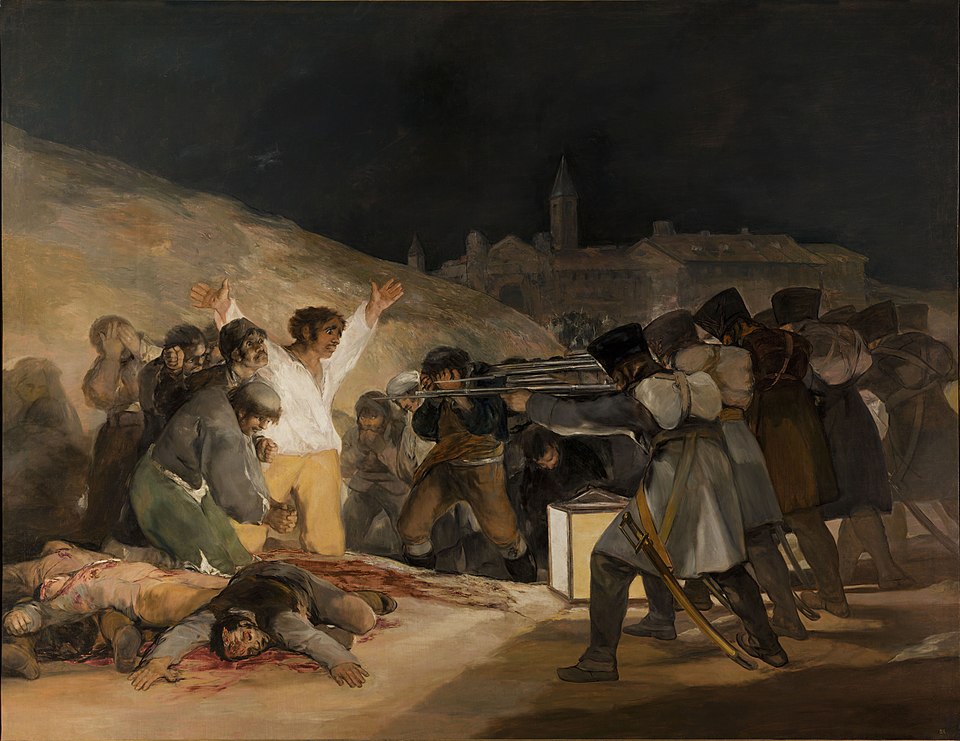
Nature became one of the movement’s most important subjects.
Romantic artists often painted dramatic storms, mountains, oceans, ruins, forests, and vast landscapes to show the overwhelming power of nature.
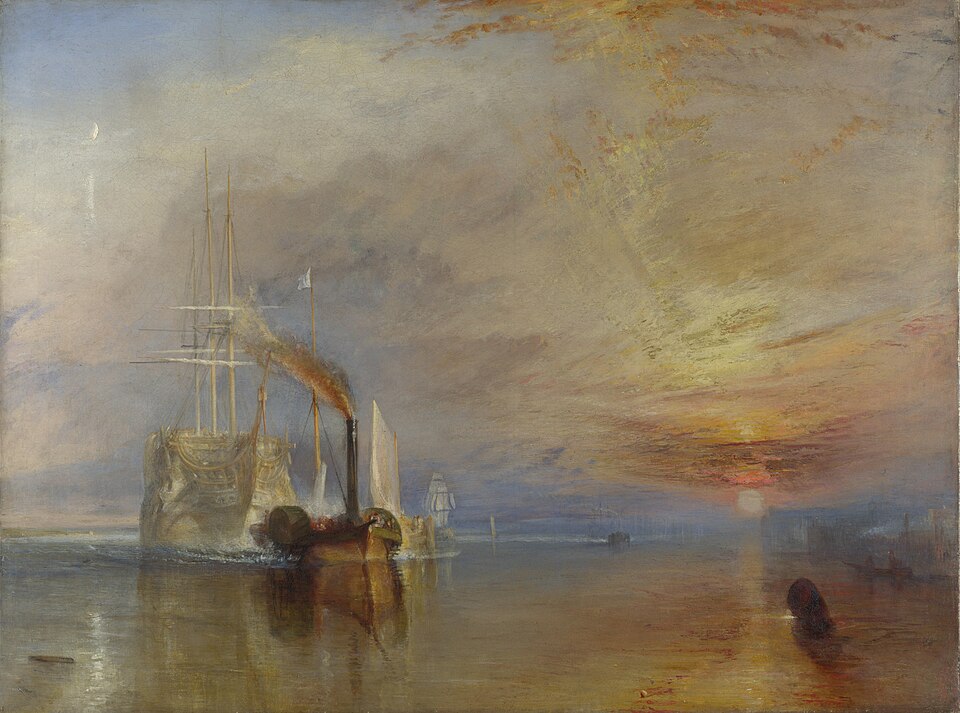
Romanticism emphasized individuality and personal expression.
Artists valued creativity, intuition, dreams, and the unique experiences of the individual artist or hero.
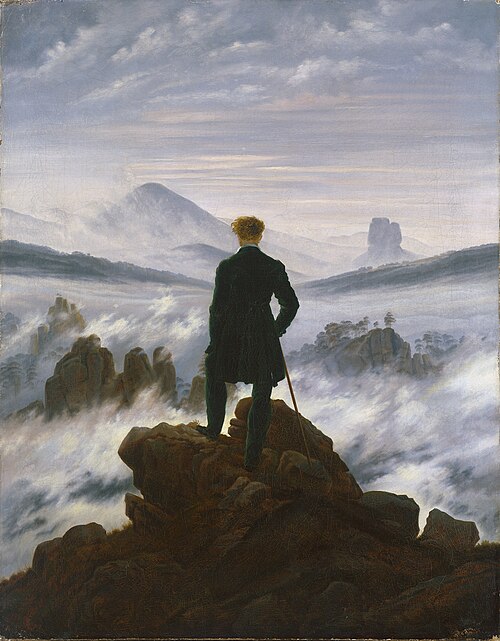
Many Romantic artworks were inspired by history, literature, and revolution.
The movement was influenced by events like the French Revolution and by writers such as William Shakespeare and Lord Byron, leading artists to create dramatic and emotional scenes.
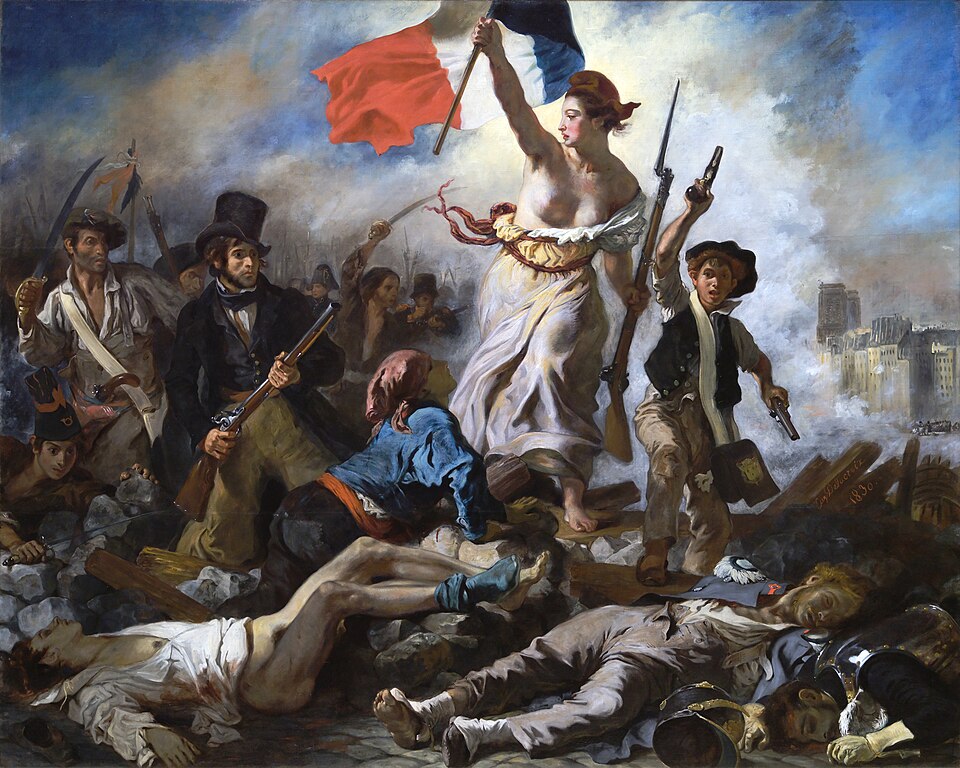
Romanticism transformed art by placing emotion, imagination, and individual experience at the center of creative expression. Its artists rejected strict order and instead embraced drama, nature, mystery, revolution, and the overwhelming power of human feeling. Even today, Romanticism continues to influence art, film, music, and storytelling by reminding us that passion and emotion are just as important as reason and logic.


Leave a Reply