
Imagine a group of young artists so frustrated with their art school that they formed a secret society to rebel against everything it stood for. That’s exactly what happened in London in 1848, when three painters, Dante Gabriel Rossetti, John Everett Millais, and William Holman Hunt , founded the Pre-Raphaelite Brotherhood, or PRB. They were barely out of their teens, brimming with ambition, and convinced that the art world had lost its way. What followed was one of the most distinctive and beloved movements in the history of British art.
So what, exactly, were they rebelling against? The target was the Royal Academy, Britain’s most powerful art institution, and the dry, formulaic style it promoted. By the mid-19th century, academic painting had become something of an assembly line, stiff poses, muddy colors, and compositions that followed rigid rules established centuries earlier. The Brotherhood traced much of this creative stagnation back to the towering influence of the Renaissance master Raphael, whose graceful, idealized figures had been imitated and re-imitated until the life had been squeezed out of them. The Pre-Raphaelites wanted something more honest, more emotionally alive, and they were willing to go all the way back in history to find it.
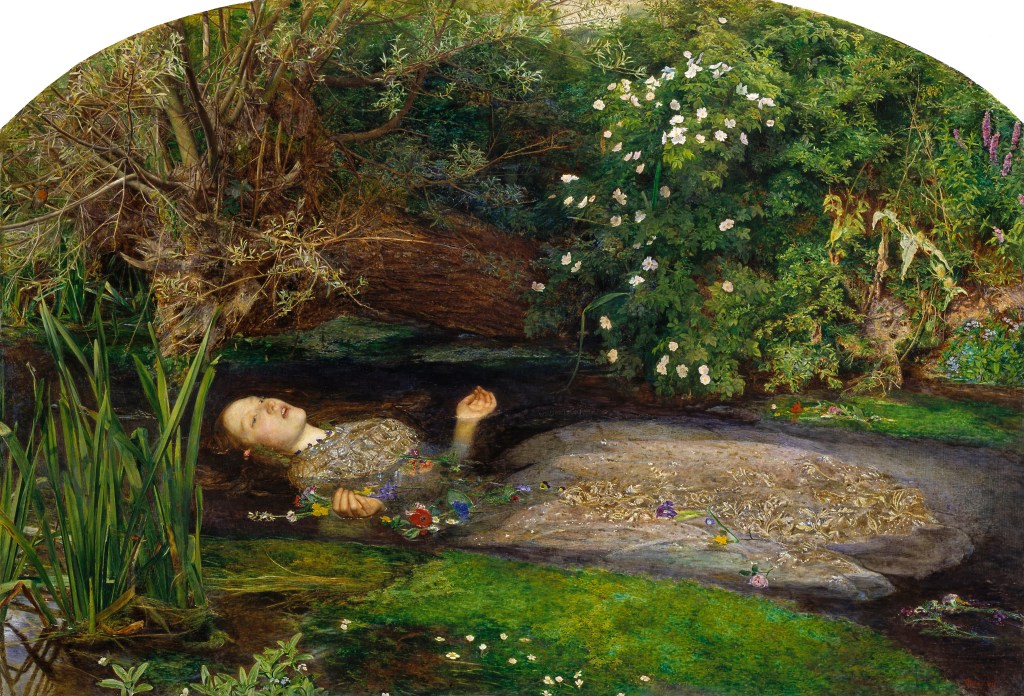
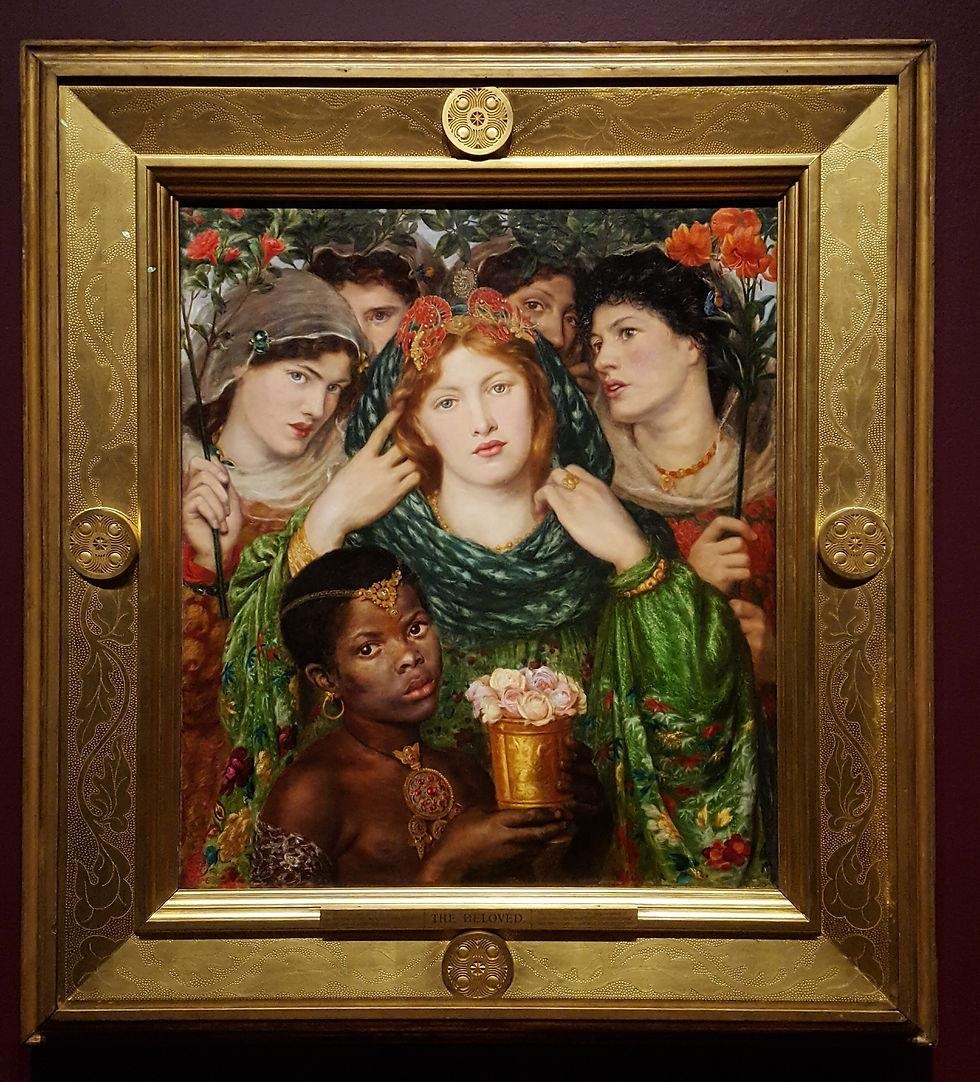
The name “Pre-Raphaelite” is actually a manifesto in itself. By looking before Raphael, to the medieval period and the early Italian Renaissance, these painters found the qualities they were hungry for: vivid, jewel-bright colors, crisp and intricate detail, and a sincere spiritual earnestness that felt miles away from the polished smugness of academic art. They studied works by painters like Fra Angelico and Giovanni Bellini, and they took their lessons seriously. If you look at a Pre-Raphaelite canvas up close, you can often make out individual blades of grass, the texture of bark on a tree, or the tiny veins in a flower petal, painted outdoors, directly from nature, with a meticulous patience that was almost radical for the time.
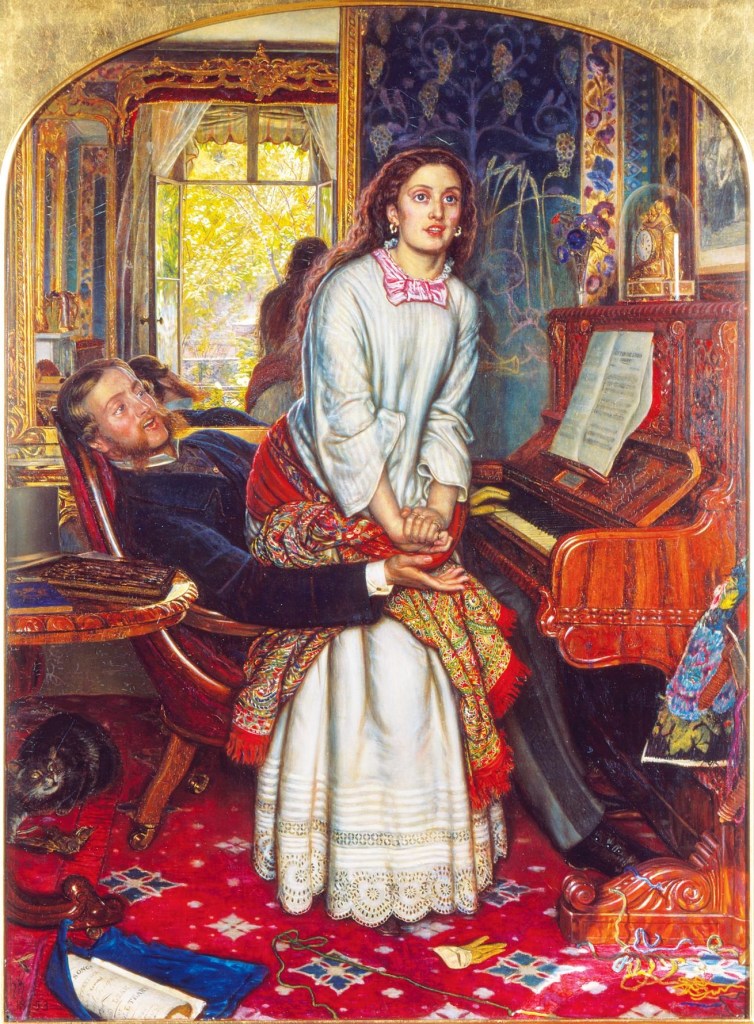
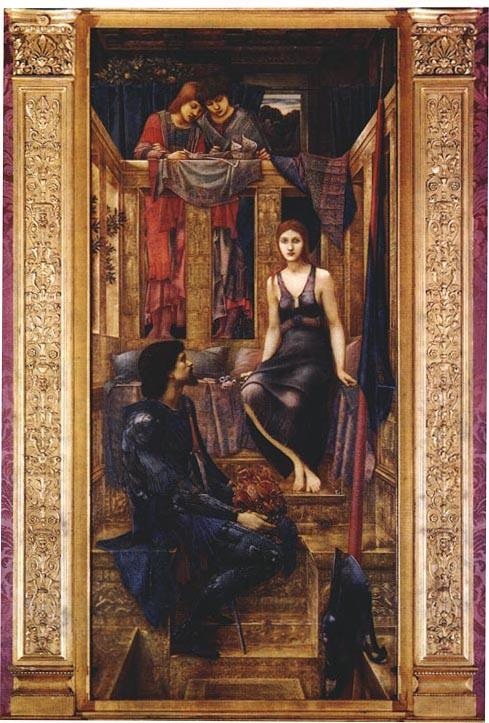
When it came to subject matter, the Brotherhood had grand ambitions. They turned to the Bible, to medieval legends of King Arthur and his knights, and to the poetry of literary giants like Alfred, Lord Tennyson and William Shakespeare. These weren’t just pretty backdrops, the stories mattered deeply to the artists, and they worked hard to bring them to life with a sense of drama and psychological depth. Paintings like Millais’s Ophelia (depicting the tragic heroine from Hamlet floating in a flower-strewn stream) or Hunt’s The Light of the World (showing Christ knocking at an overgrown door) had a power that stopped viewers in their tracks. The subjects were familiar, but the treatment felt startlingly new.
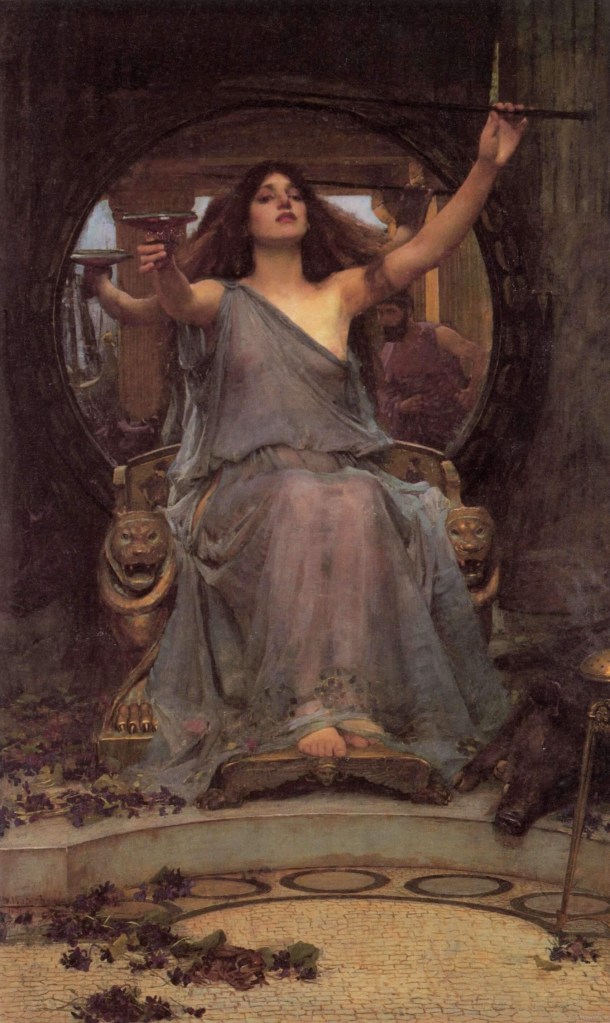
Perhaps the most captivating thing about Pre-Raphaelite paintings is how much is hidden in plain sight. Every object, every color, every flower was chosen deliberately to carry a layer of meaning. A wilting rose might signal lost love; a dove could symbolize peace or purity; a cracked pot might hint at a broken life. Learning to read these paintings is a bit like cracking a code, and once you start noticing the symbolism, it’s impossible to stop. This rich visual language, combined with their extraordinary craftsmanship and their passion for literature and beauty, is why Pre-Raphaelite art has never really gone out of fashion. More than 175 years after that secret brotherhood first put pen to paper, their luminous, layered canvases still feel urgent, romantic, and utterly alive.


Leave a Reply