
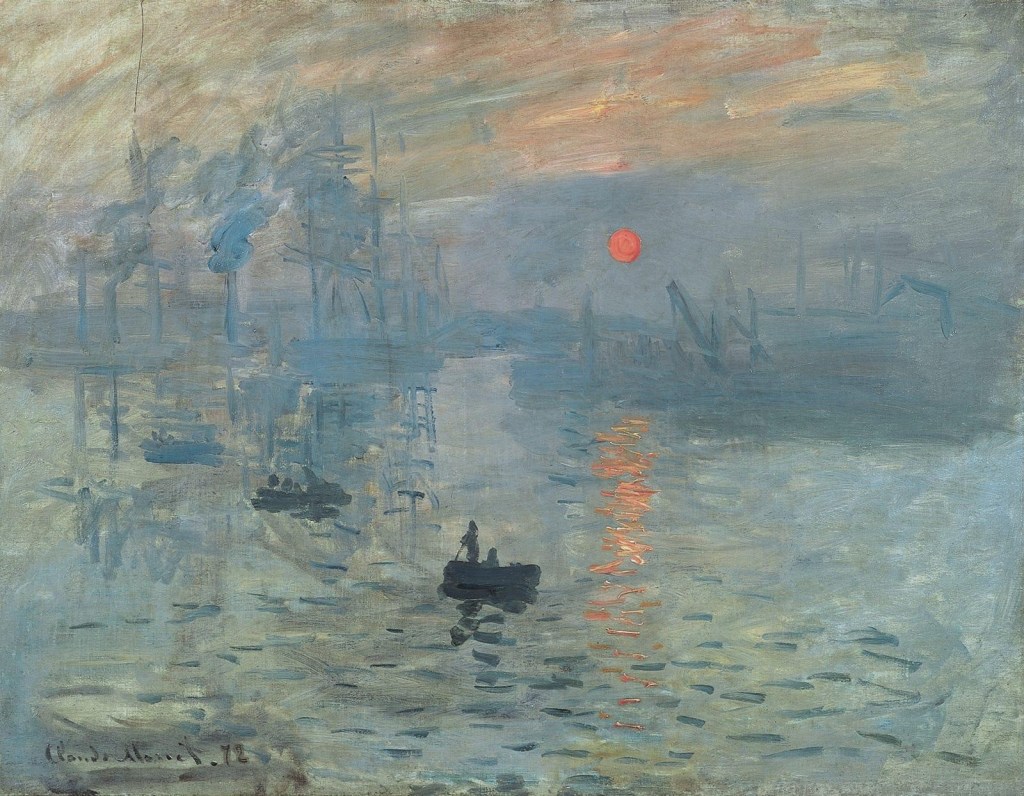
Here’s a fun piece of trivia to drop at your next dinner party: Impressionism, one of the most beloved art movements in human history, got its name from an insult. A critic, deeply unimpressed by Claude Monet’s hazy, shimmering canvas Impression, Sunrise, mocked it by saying it looked more like a mere “impression” than a finished painting. The artists took that insult, wore it like a badge of honor, and the rest, as they say, is art history.

“What critics dismissed as unfinished or sloppy was actually a bold new way of seeing.”
The Rebels of Paris
To understand why Impressionism felt so radical, you have to understand what it was rebelling against. In the 1860s and 1870s, the Parisian art world revolved around an institution called the Salon, the official exhibition of the Académie des Beaux-Arts. The Salon had very specific tastes: polished, technically perfect paintings of historical events, religious scenes, and mythological heroes. Think smooth brushwork, idealized figures, serious subjects. Very grand. Very stiff.


A younger generation of artists looked at all this grandeur and thought: but what about real life? They wanted to paint the world as they actually saw it, alive, messy, constantly changing. And so they started doing exactly that.


It’s All About the Light
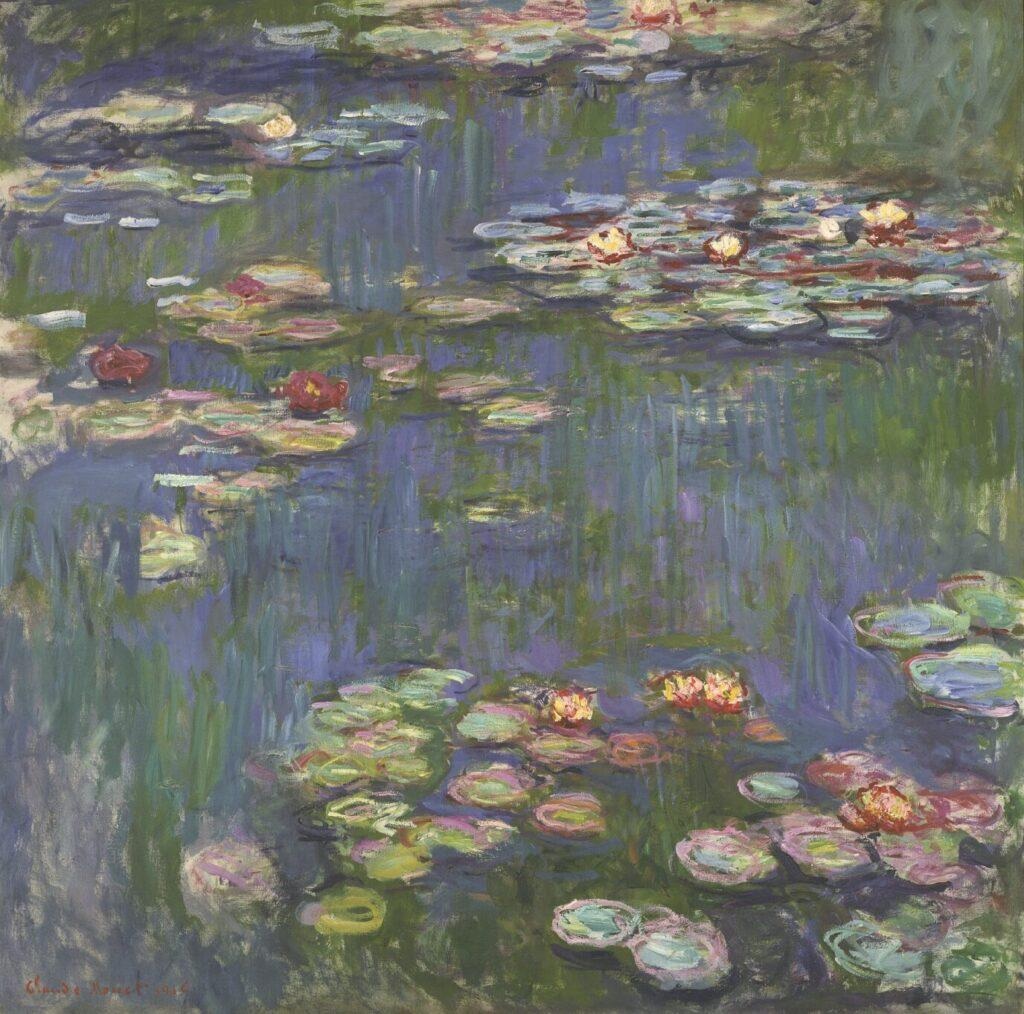
What made Impressionism feel genuinely new — and still feels fresh today — was its obsession with light. Not light as a static fact, but light as a living, shifting thing. A haystack at sunrise looks nothing like that same haystack at noon. Water on a cloudy day reflects color entirely differently than water at golden hour. The Impressionists were fascinated by these fleeting visual effects, and they developed a technique to capture them: quick, visible, almost impatient brushstrokes of paint that suggested flickering movement rather than recording it precisely.
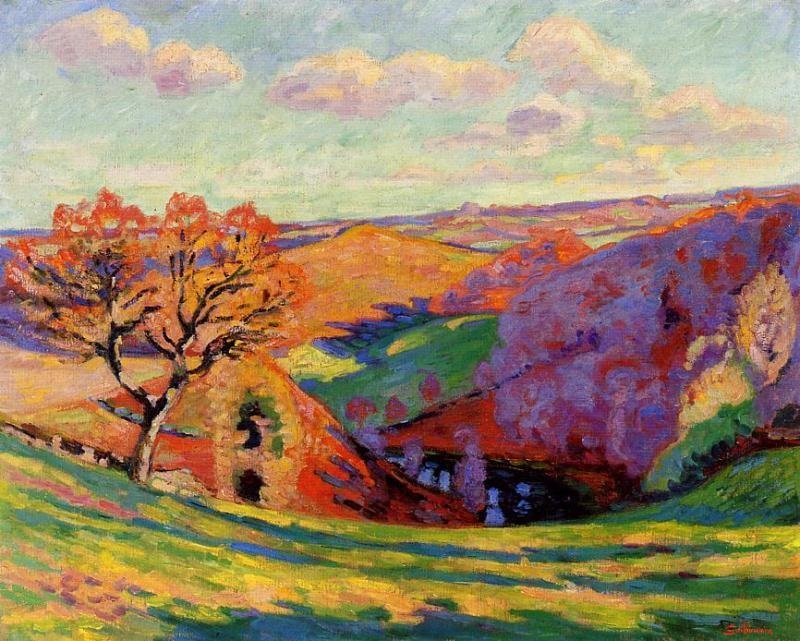


This is why Impressionist paintings can look almost chaotic up close. Stand inches from a Monet and you’ll see blobs and dashes of color that seem to make no sense. Step back, and suddenly a garden, a river, a cathedral materializes from the apparent chaos. It’s a kind of visual magic that still stops people in their tracks in museums today.


Beauty in the Ordinary
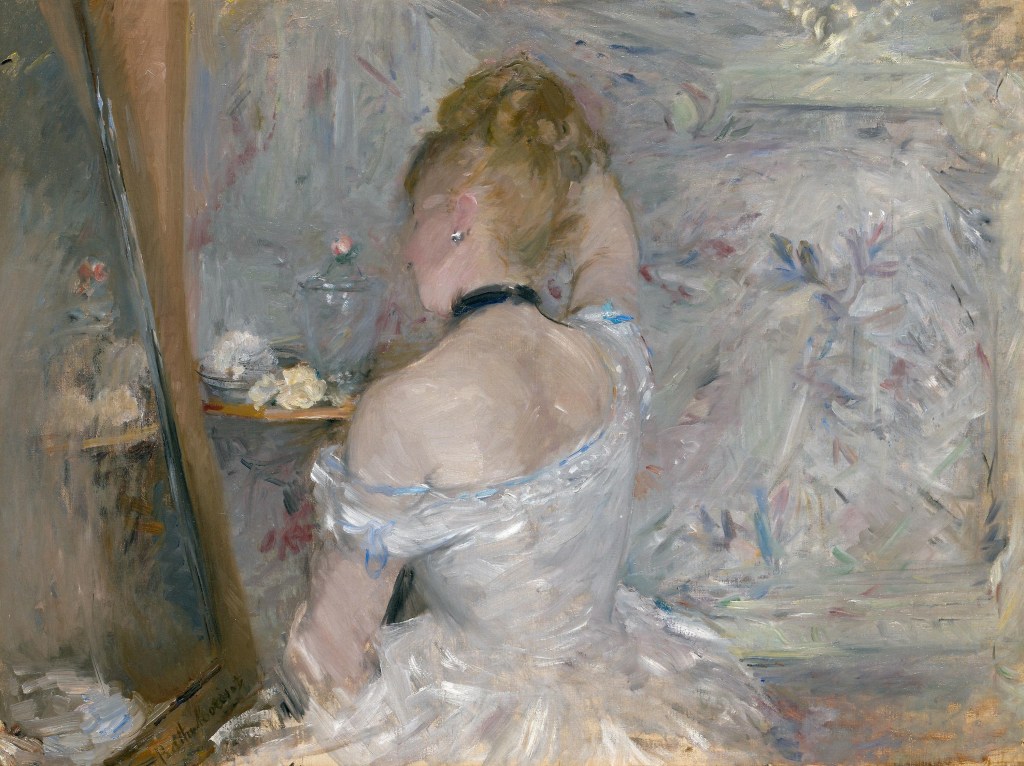
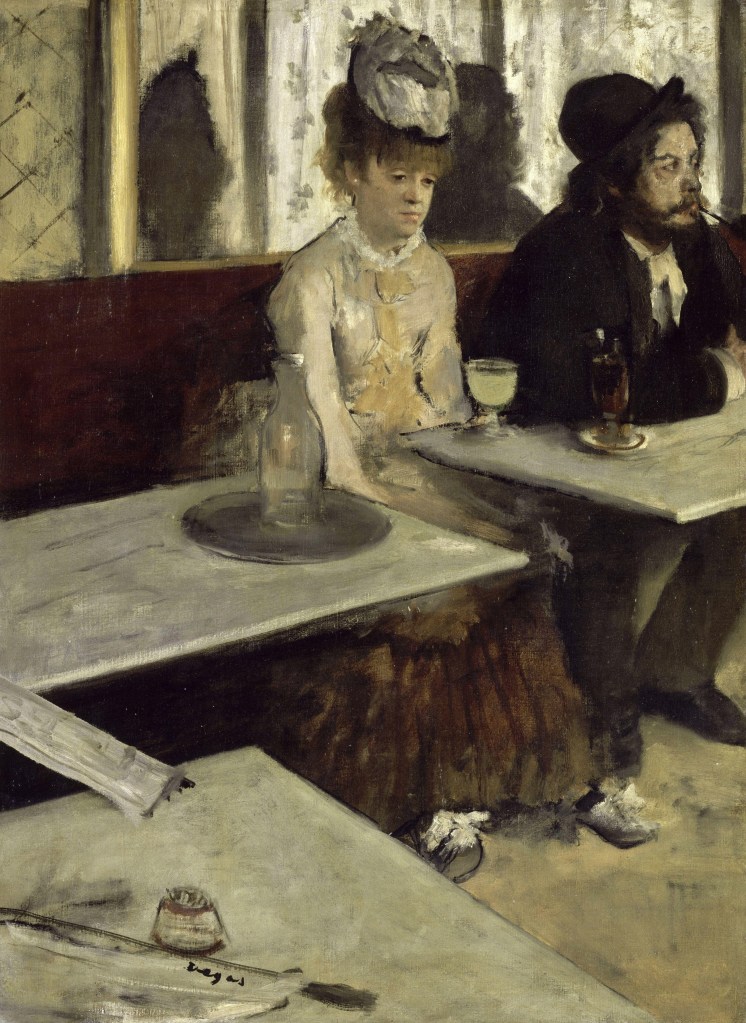
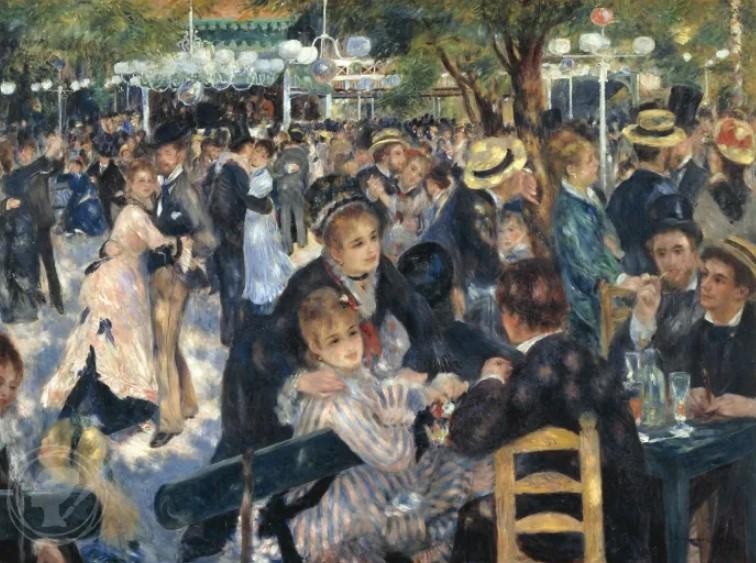
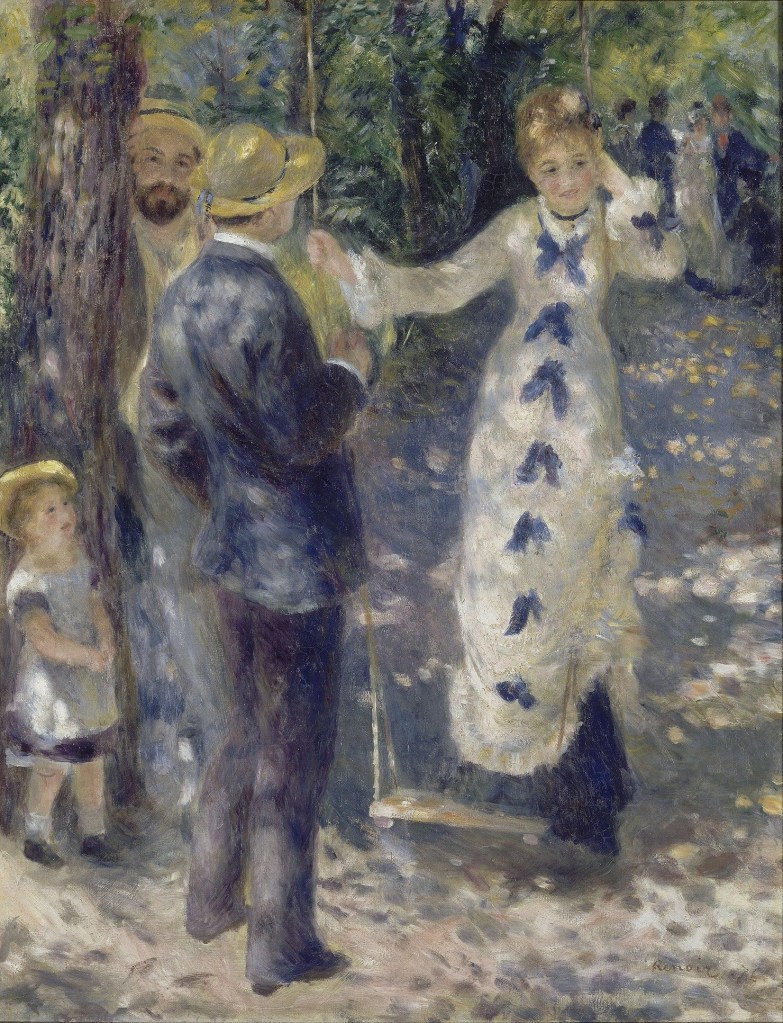
Alongside the new technique came a radically new subject matter. Instead of gods and battles, the Impressionists painted everyday modern life: people strolling through parks, lounging in cafés, attending dance halls, boating on rivers, or simply sitting at home in the afternoon light. Pierre-Auguste Renoir adored scenes of leisure and social gathering — his paintings practically radiate warmth. Edgar Degas became famous for his dancers and his quietly intimate glimpses of urban life. Mary Cassatt brought a tender, unflinching eye to the world of women and domestic scenes.
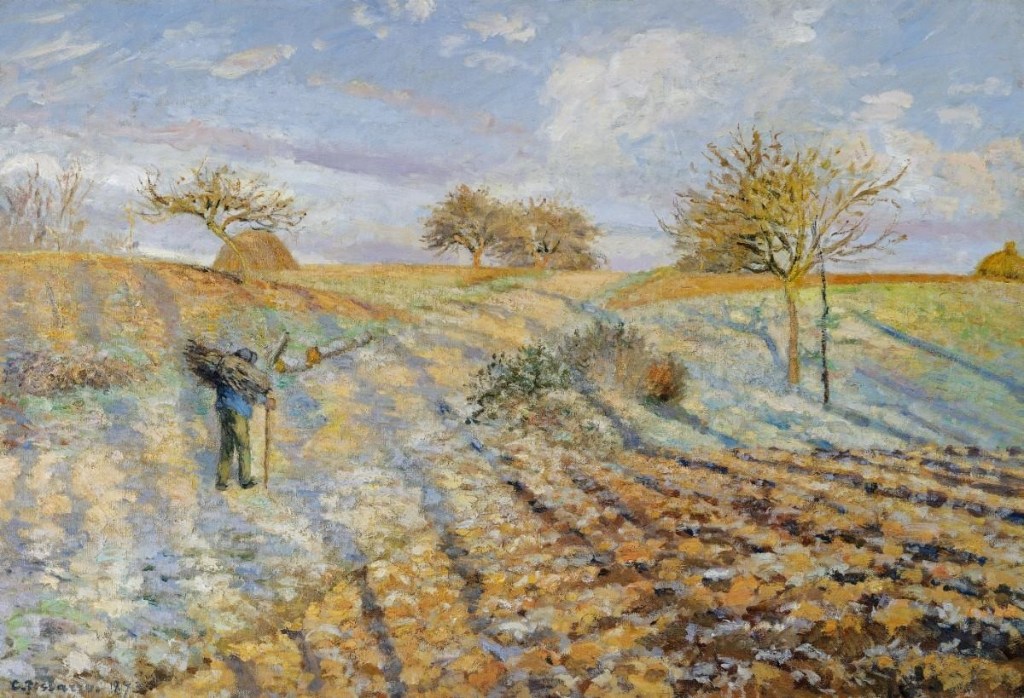
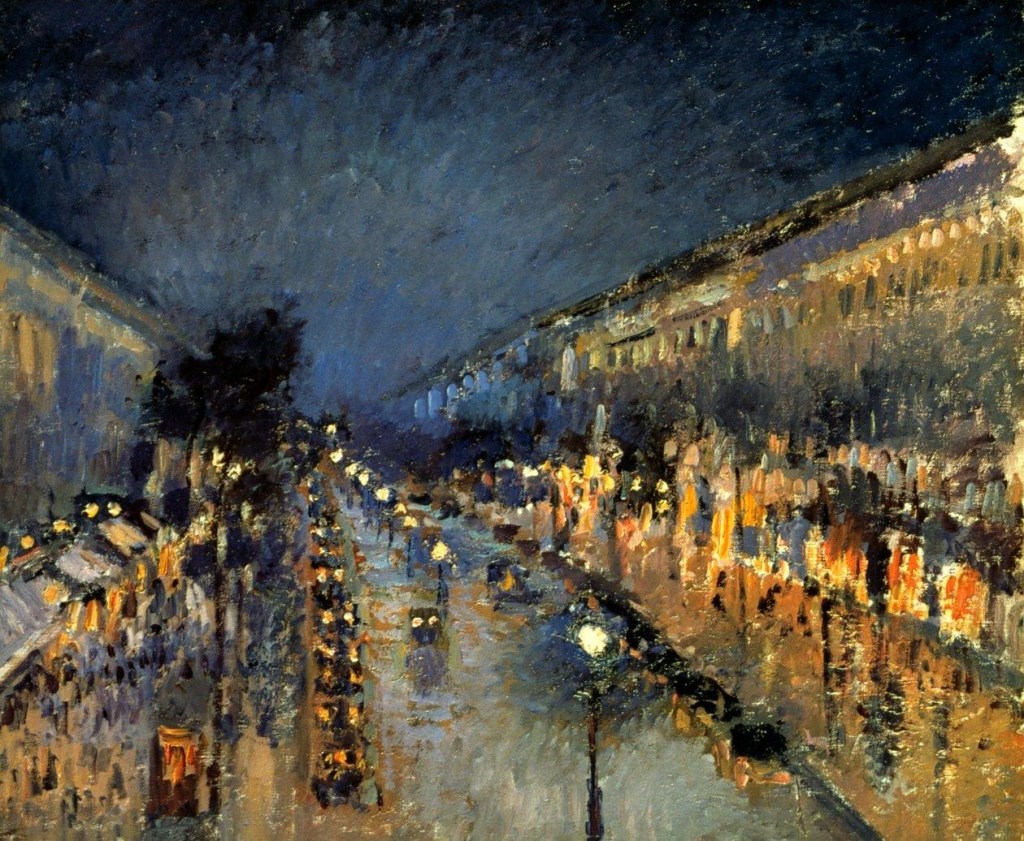

This shift sounds simple, but it was genuinely subversive. It said: ordinary life is worth painting. A quiet afternoon is worthy of the same attention as a battle scene. Beauty isn’t reserved for the heroic and the grand — it lives in the everyday, if you know how to look.


Why It Still Resonates
Today, Impressionism fills museum gift shops and sits above countless living room sofas, which might make it feel a little safe and familiar. But spend time with the actual paintings, and you’ll still feel the aliveness in them. There’s a reason even people who insist they “don’t know anything about art” tend to respond instinctively to the warmth of a Renoir, the atmosphere of a Monet, the quiet intimacy of a Cassatt.
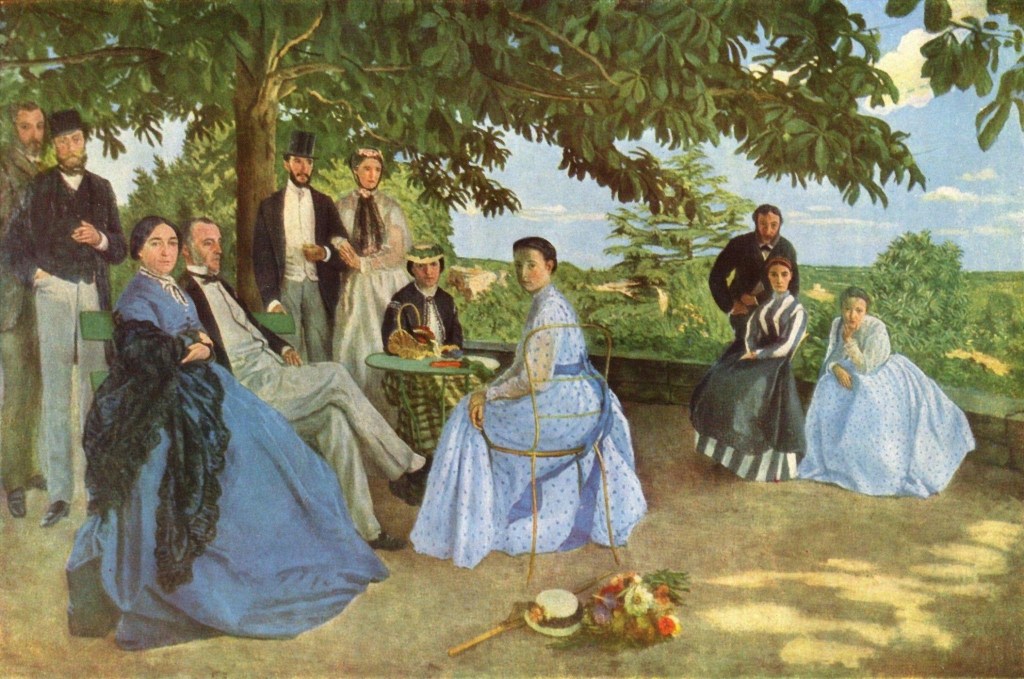
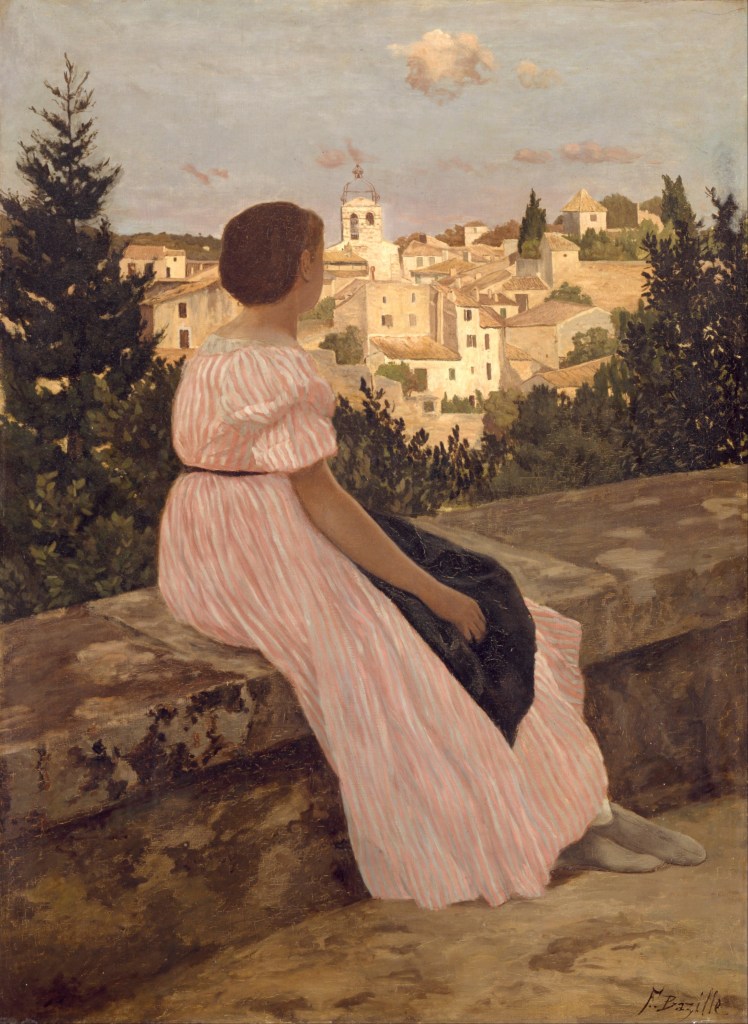
Impressionism teaches a lesson that goes beyond art: sometimes the goal isn’t to capture every detail perfectly, but to capture how a moment feels. And for that, a little mess, a little blur, and a boldly visible brushstroke turn out to be exactly right.
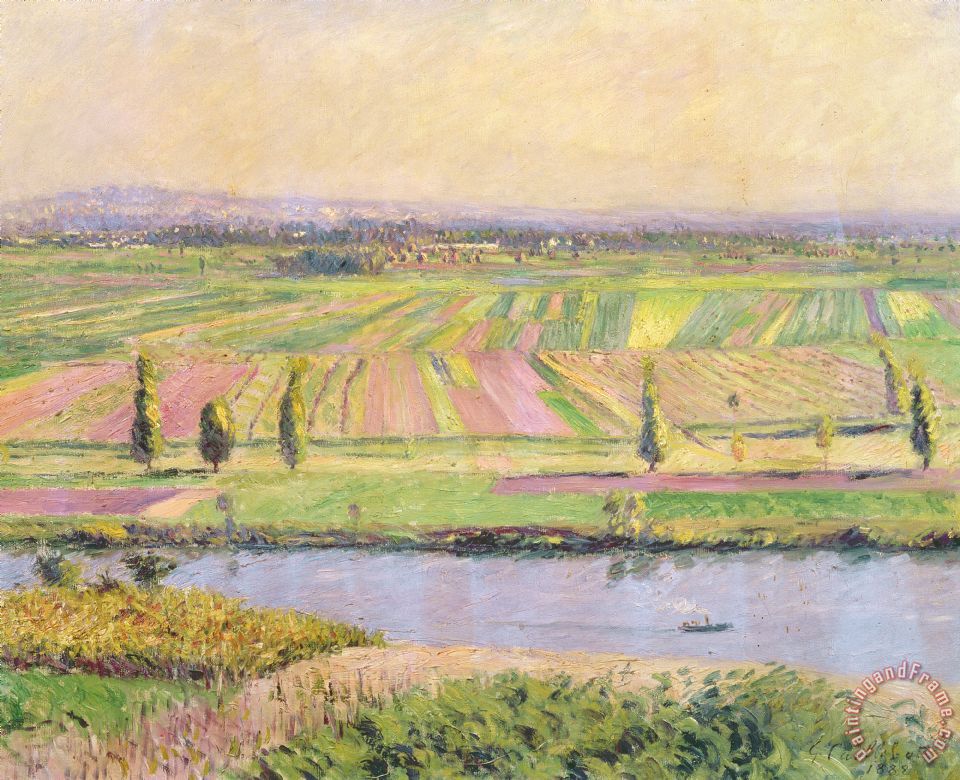


If you’re just starting your journey into art history, Impressionism is a wonderful place to begin. The paintings are approachable, the stories behind them are genuinely fascinating, and the movement asks something simple of you — not expertise, just the willingness to step back and really look.



Leave a Reply