
Post-Impressionism took the light and color of Impressionism and pushed it toward emotion, abstraction, symbolism, and modern art. It began in the late 1880s. The movement developed in Paris, France as a reaction to Impressionism, roughly between 1886 and 1905.
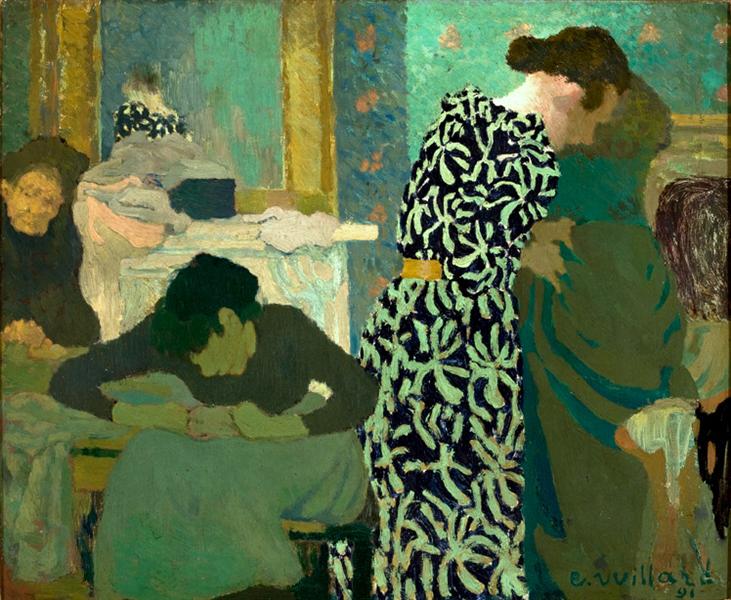
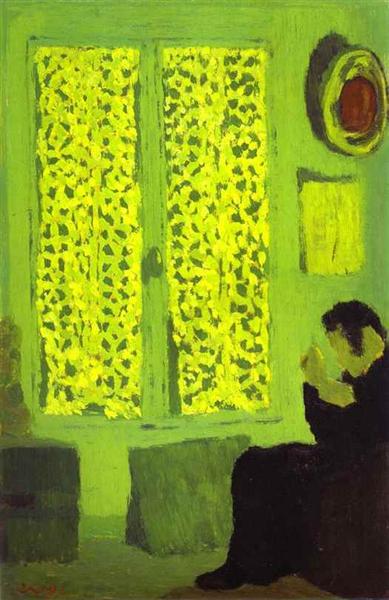
Édouard Vuillard
It came after Impressionism but wasn’t one style. Unlike Impressionism, Post-Impressionism wasn’t a unified movement. It included several artists with very different approaches who wanted to move beyond simply capturing light and fleeting moments.
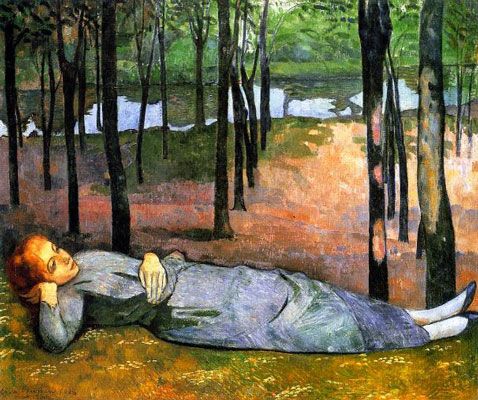
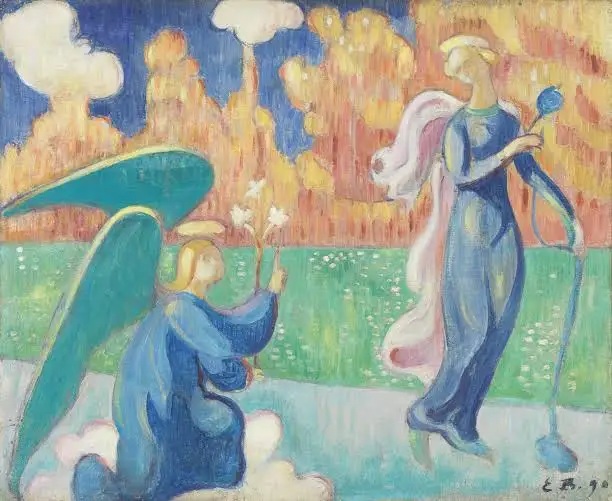
Émile Bernard
Artists wanted more emotion and structure. Post-Impressionists felt Impressionism could be too focused on surface appearance. They wanted art to express emotion, symbolism, personal meaning, and stronger composition.
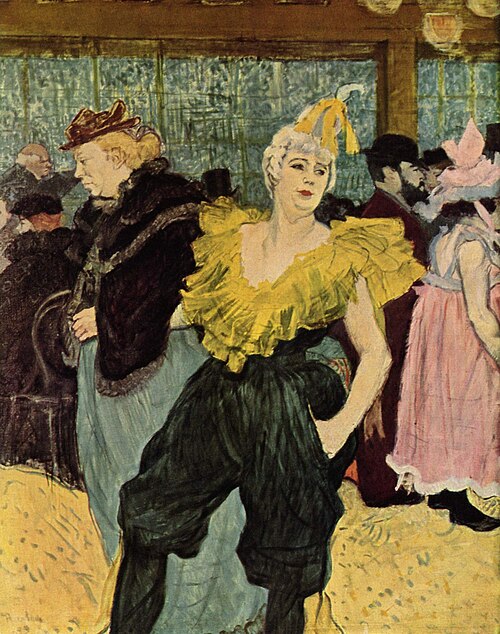
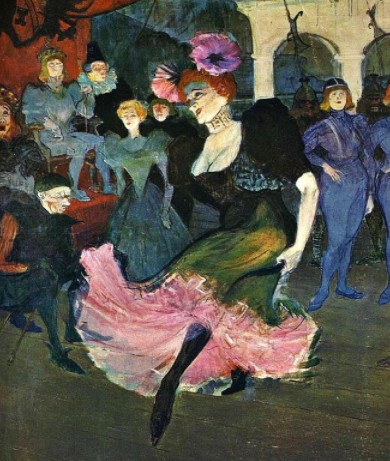
Henri de Toulouse-Lautrec
Color became more expressive. Instead of using color only to reflect what they saw, artists used bold, exaggerated, and symbolic color to communicate mood and feeling.
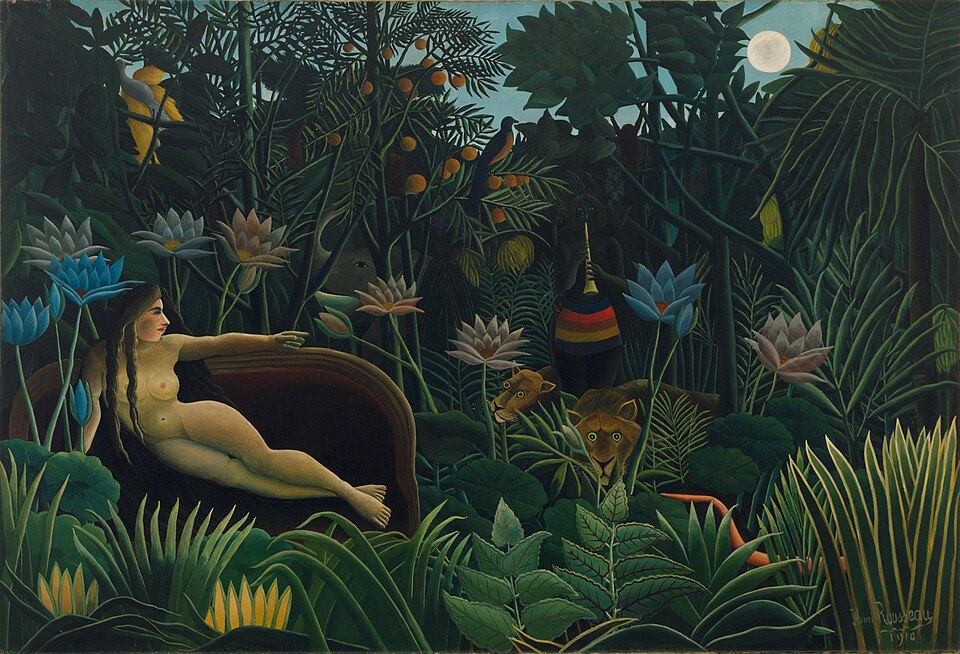
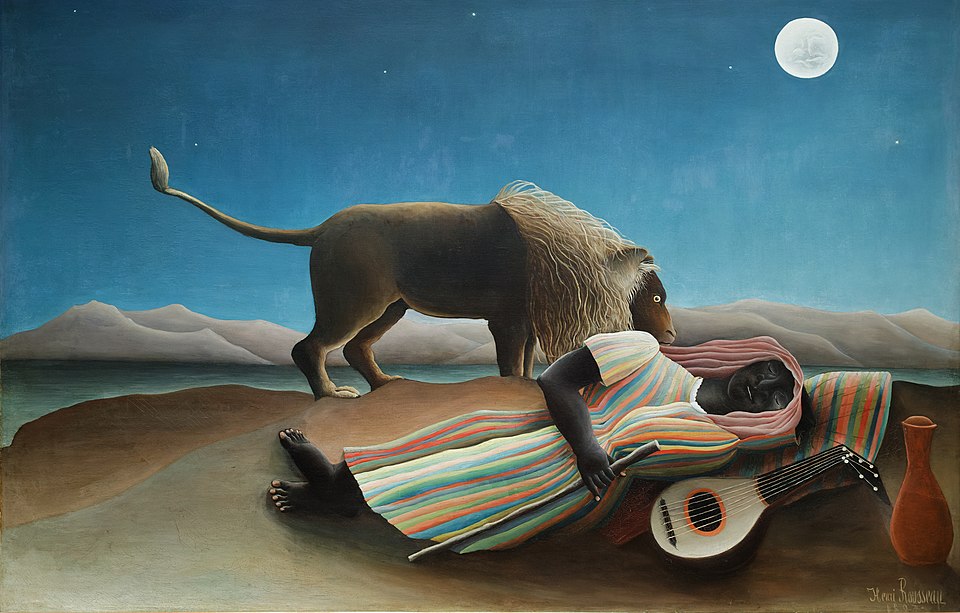
Henri Rousseau
Brushwork became more intentional. Some artists used thick, visible brushstrokes, while others used careful dots or flattened shapes. Technique became a major part of artistic expression.
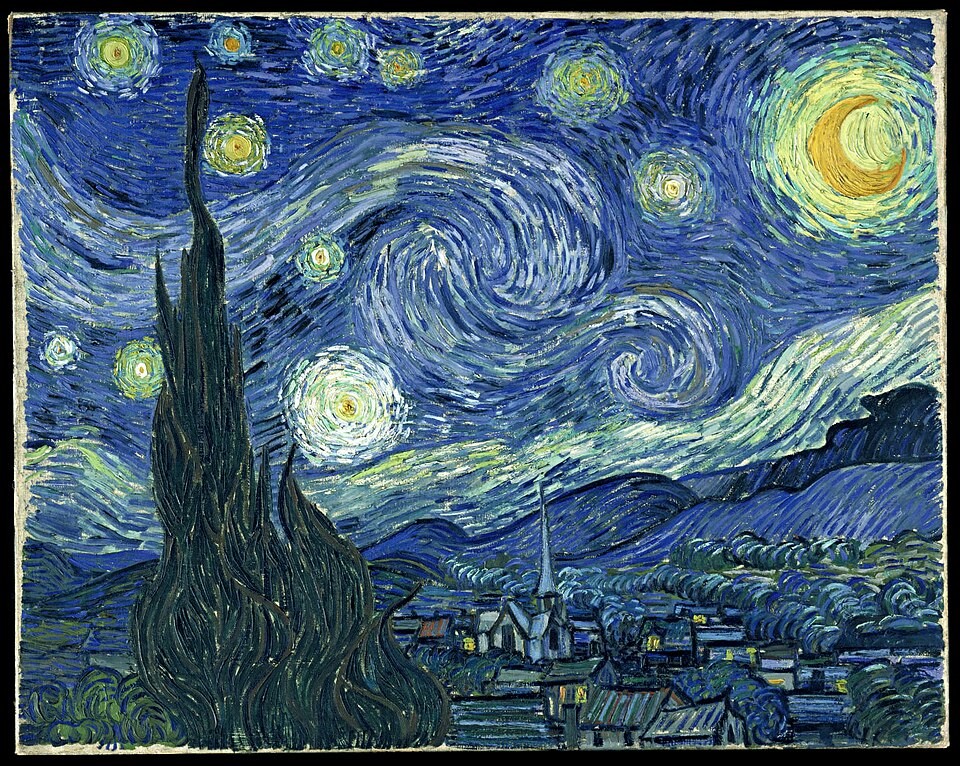
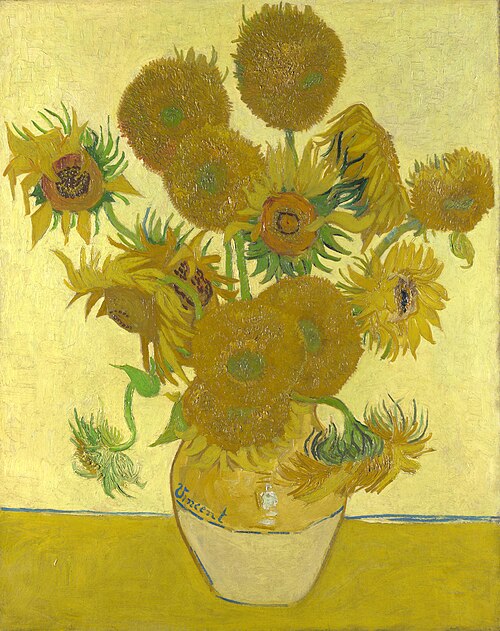
Vincent van Gogh
Vincent van Gogh is one of the most famous Post-Impressionists. Van Gogh used swirling brushstrokes and intense color to convey powerful emotion in works like The Starry Night.
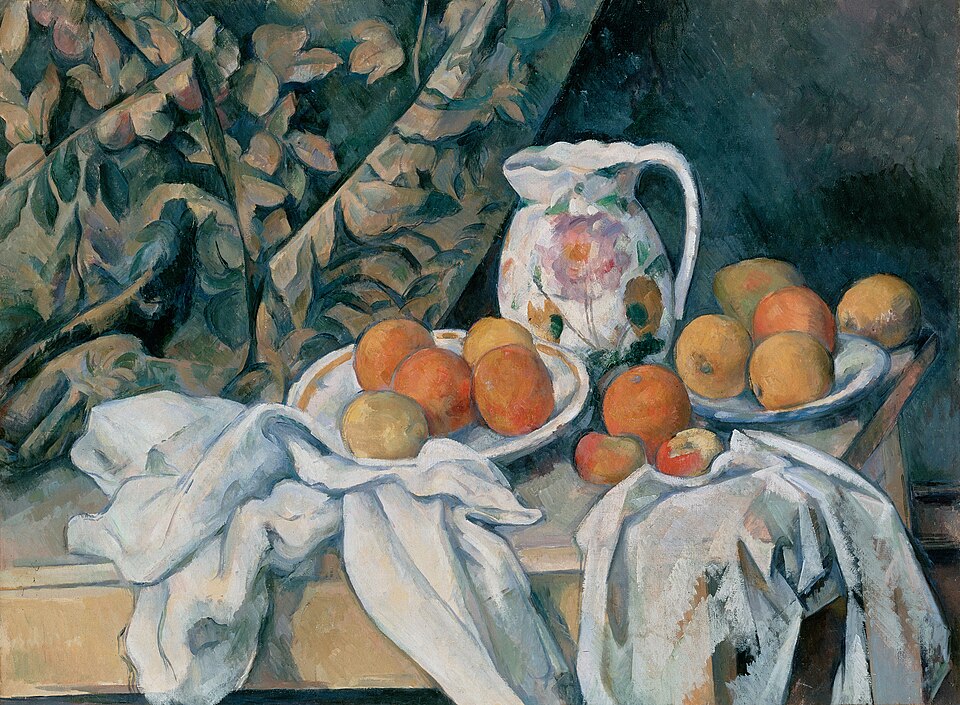
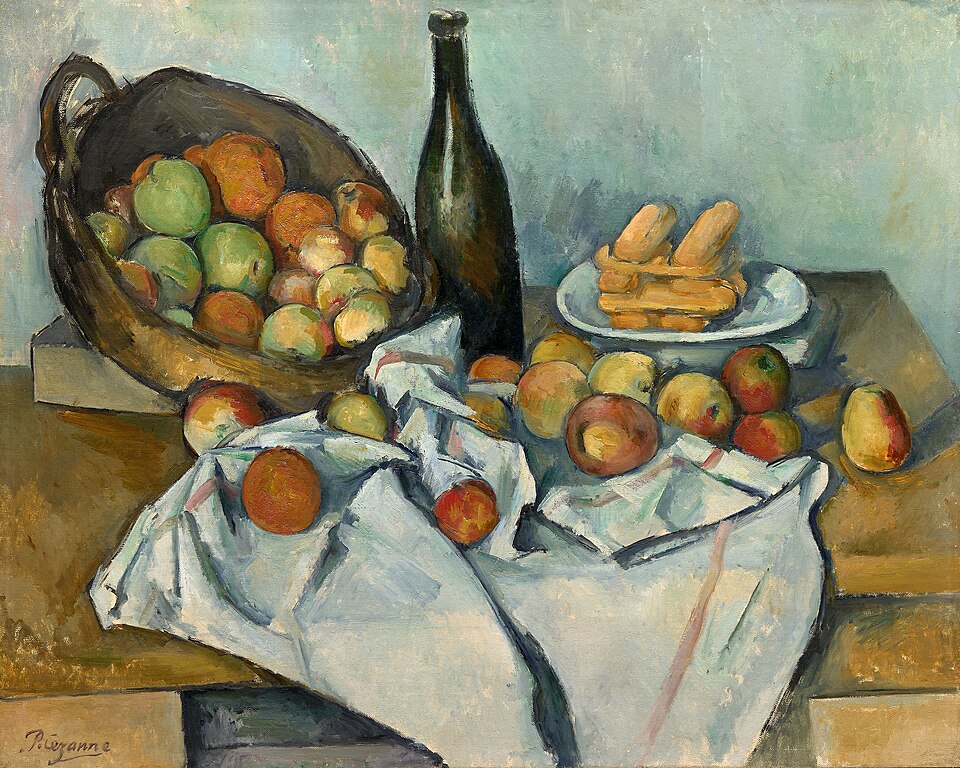
Paul Cézanne
aul Cézanne helped pave the way for Cubism. Cézanne simplified nature into geometric forms like cylinders, spheres, and cones, influencing later artists such as Pablo Picasso.
Paul Gauguin
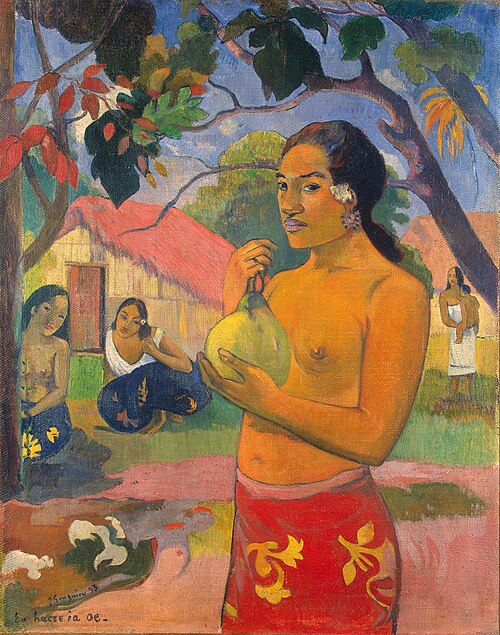
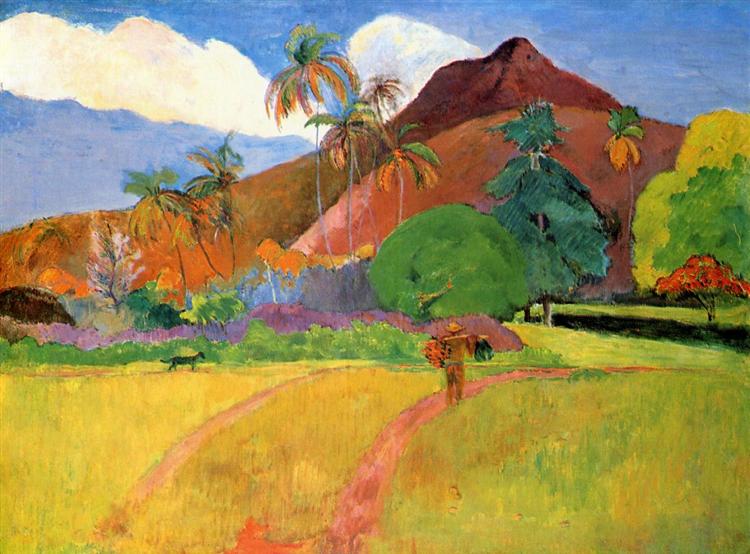
Paul Gauguin emphasized symbolism. Gauguin used flat areas of bright color and dreamlike imagery, often inspired by his time in Tahiti.
Georges Seurat
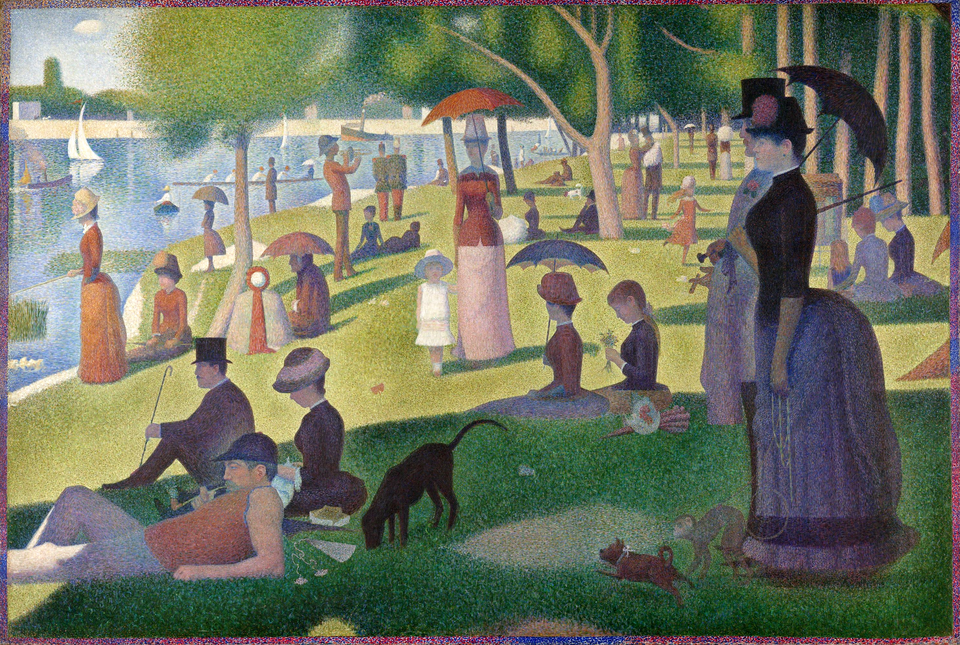
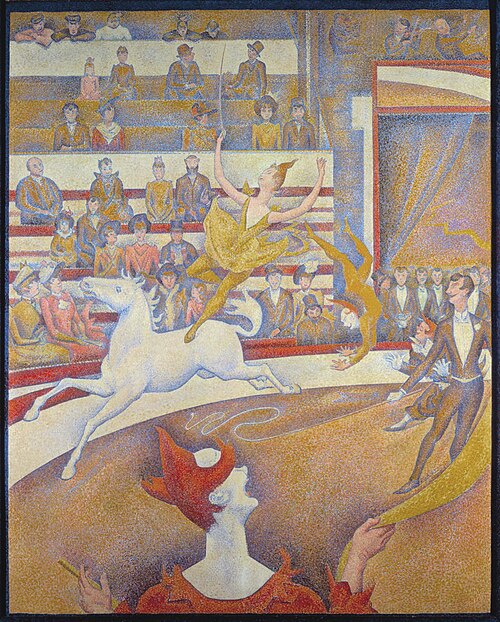
Georges Seurat developed Pointillism. Seurat created paintings using tiny dots of pure color placed side by side so the viewer’s eye blends them. His masterpiece is A Sunday Afternoon on the Island of La Grande Jatte.
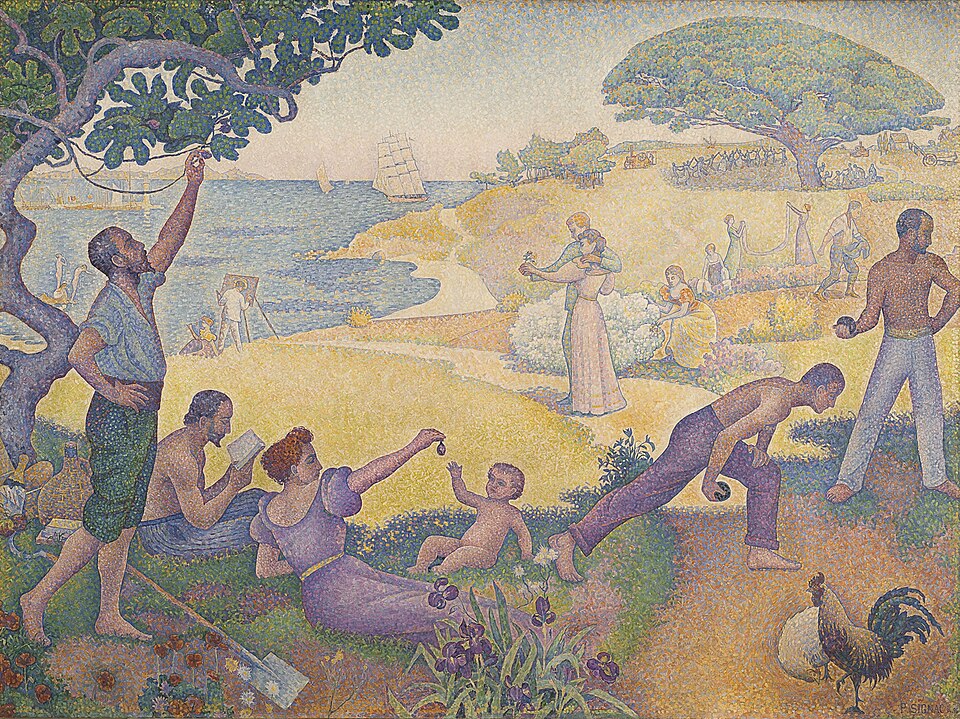
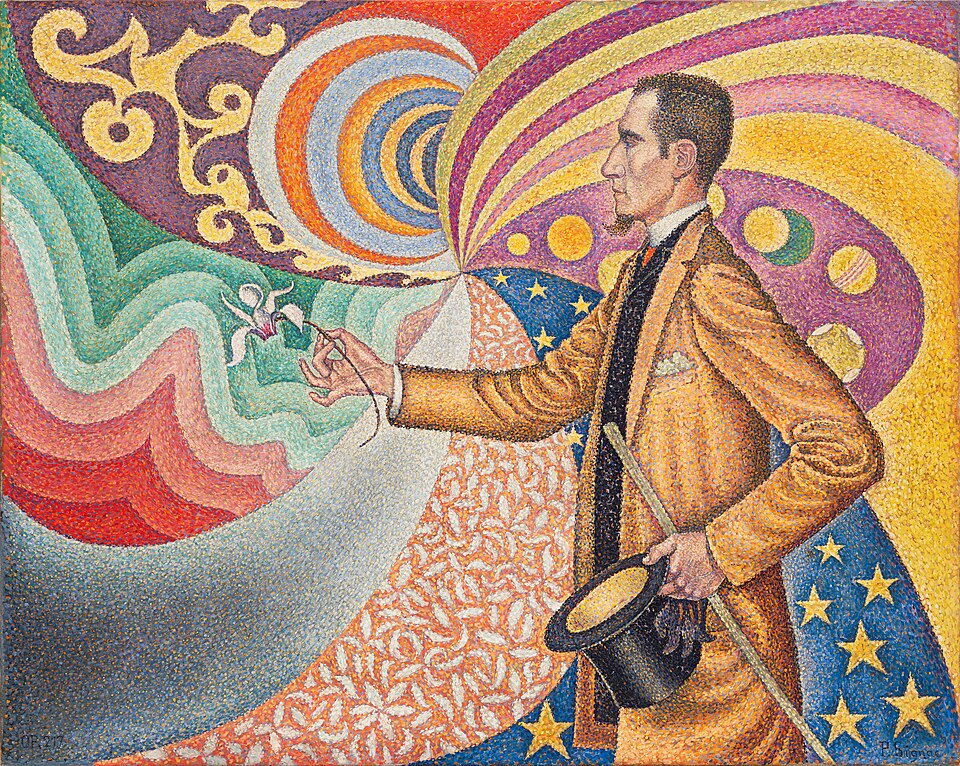
Paul Signac
Post-Impressionism shaped modern art. The movement strongly influenced later styles including Fauvism, Expressionism, and Cubism. Without Post-Impressionism, modern art would look very different.
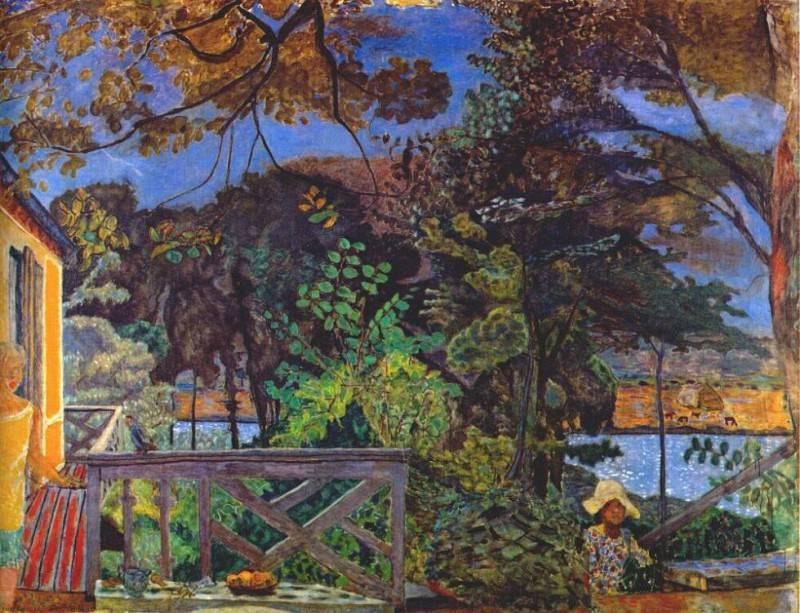
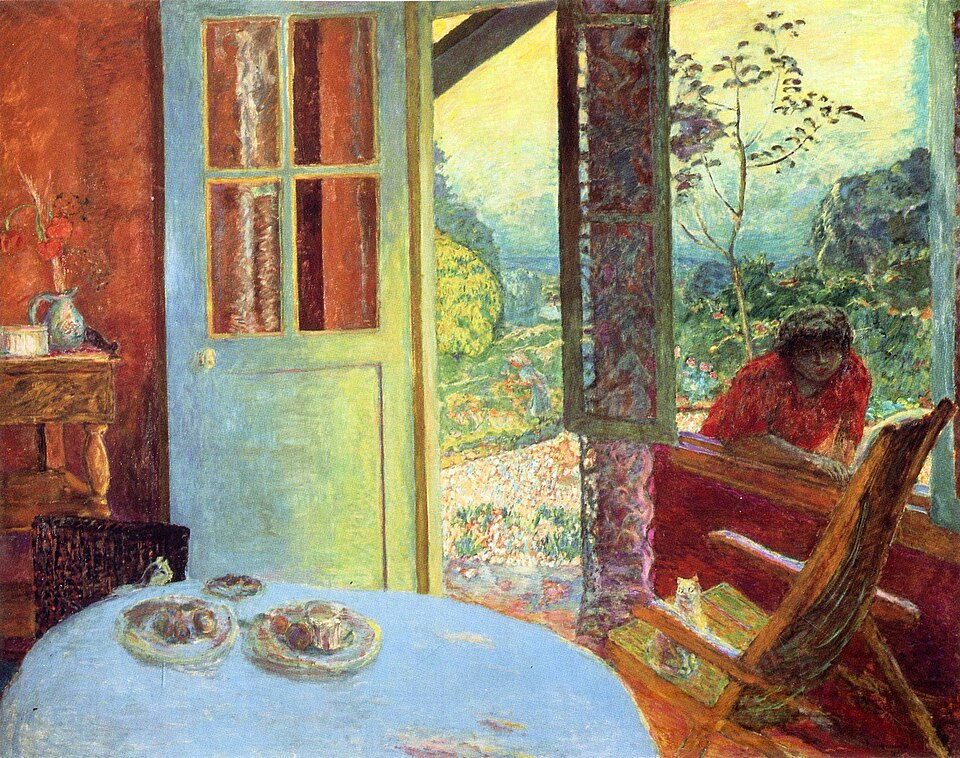
Pierre Bonnard
 Armchair Art Share
Leave a comment