
Naturalism developed in the late 19th century, especially in France, as artists sought to portray life and nature with careful, realistic observation.
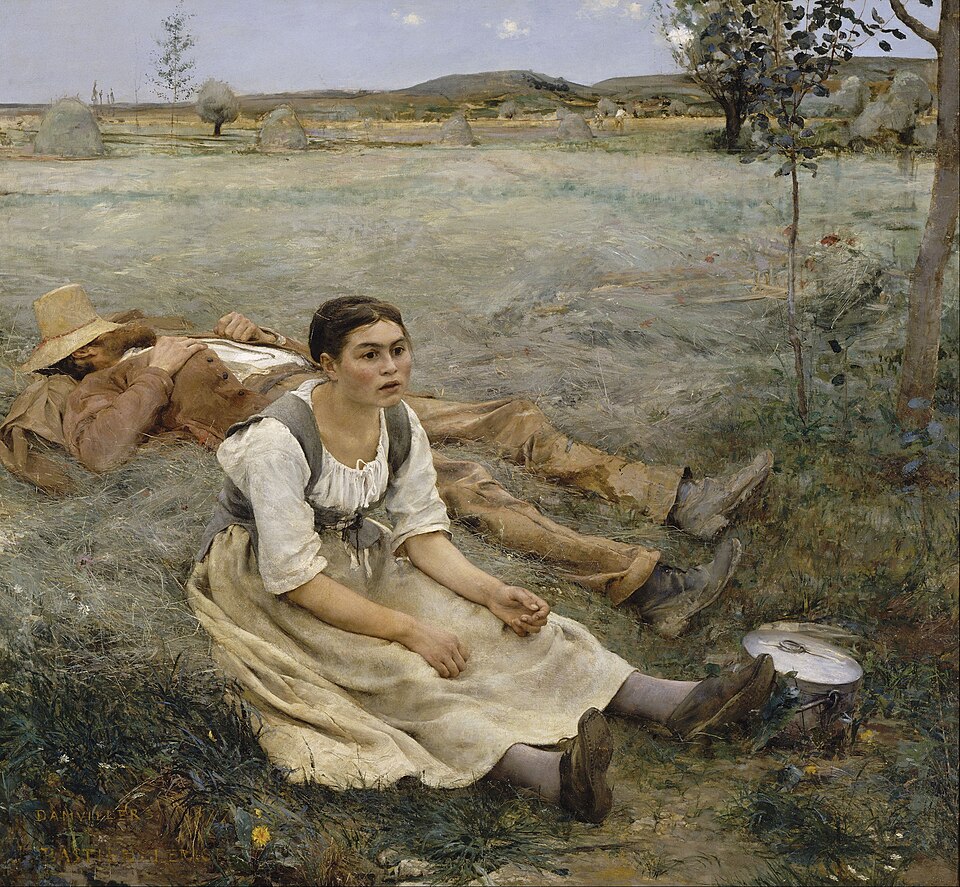
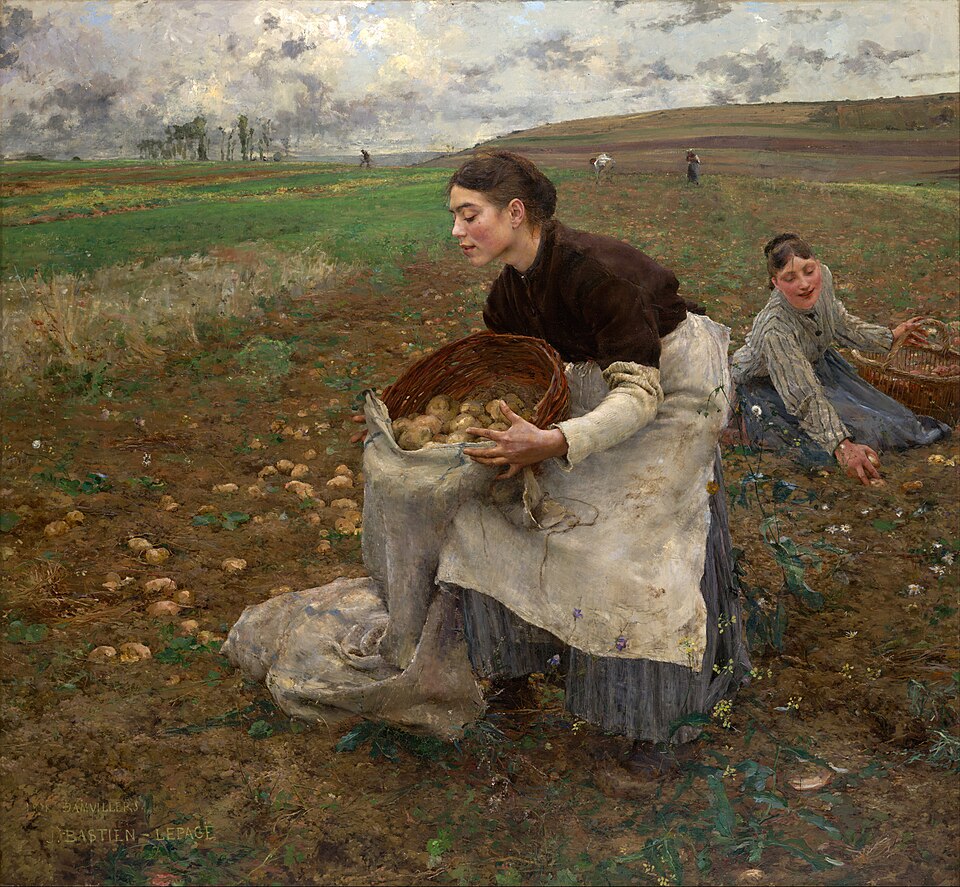
Naturalist artists focused on ordinary people, including farmers, laborers, rural families, and working-class communities.
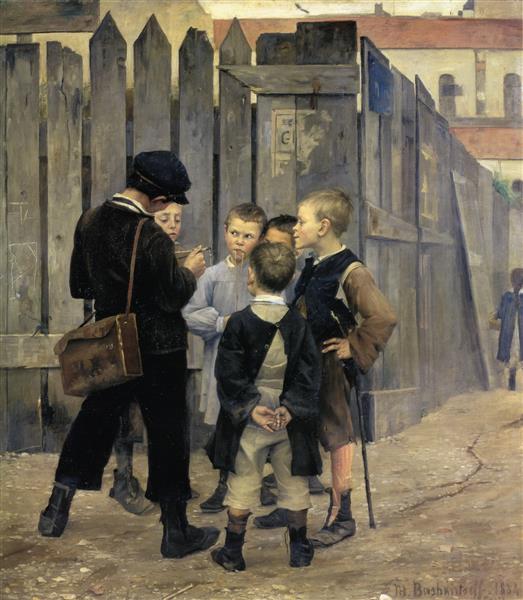
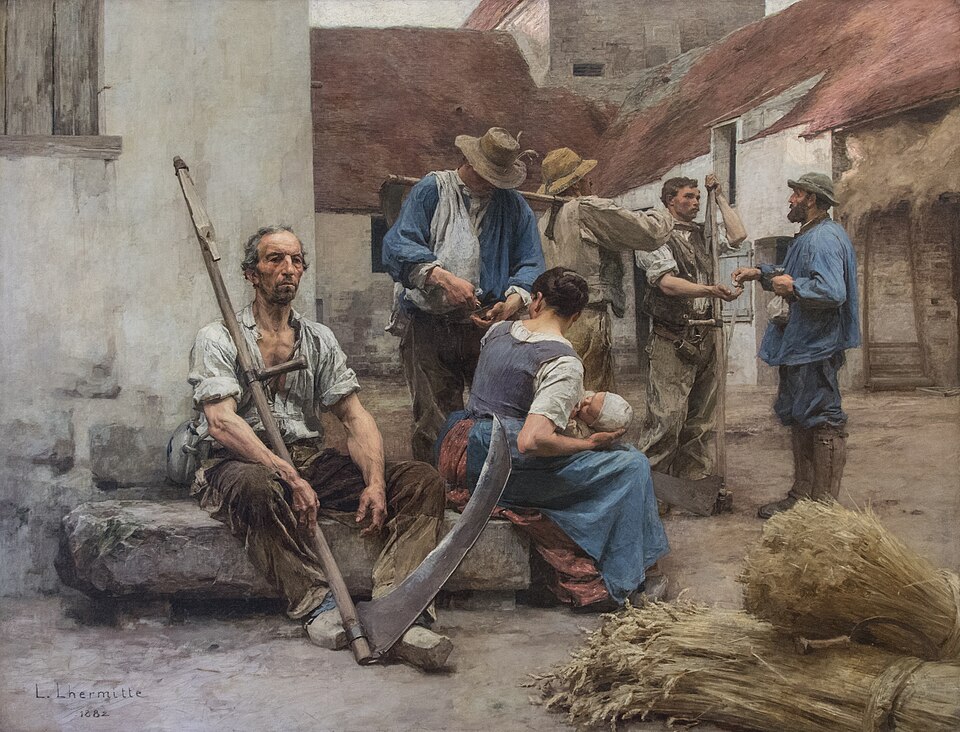
The movement emphasized accurate detail, realistic lighting, natural colors, and believable landscapes rather than idealized beauty.
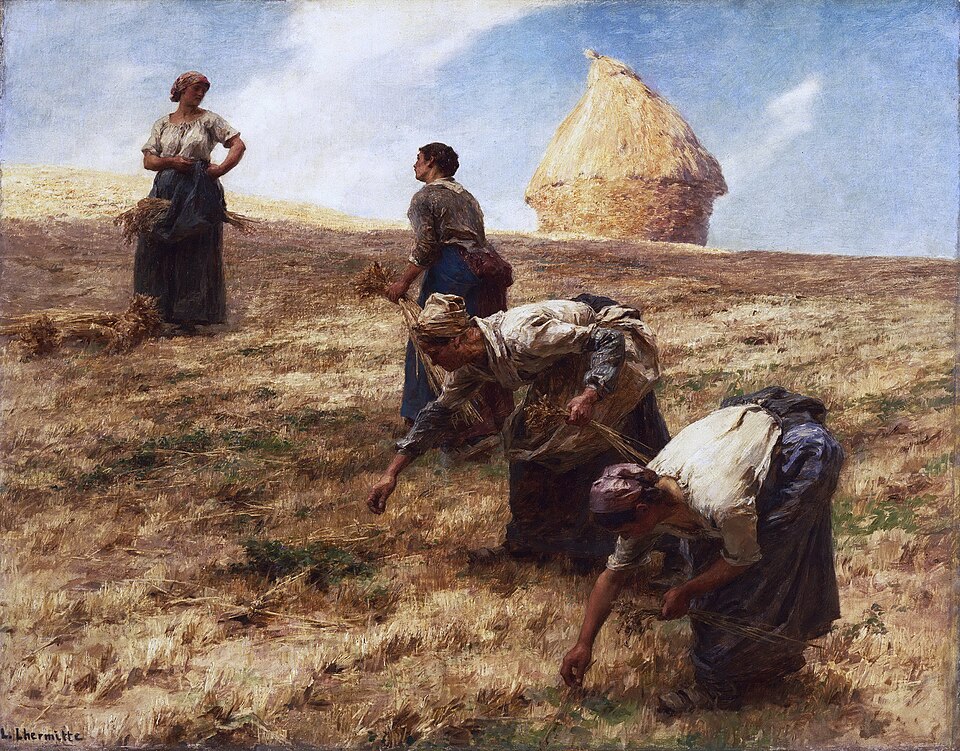
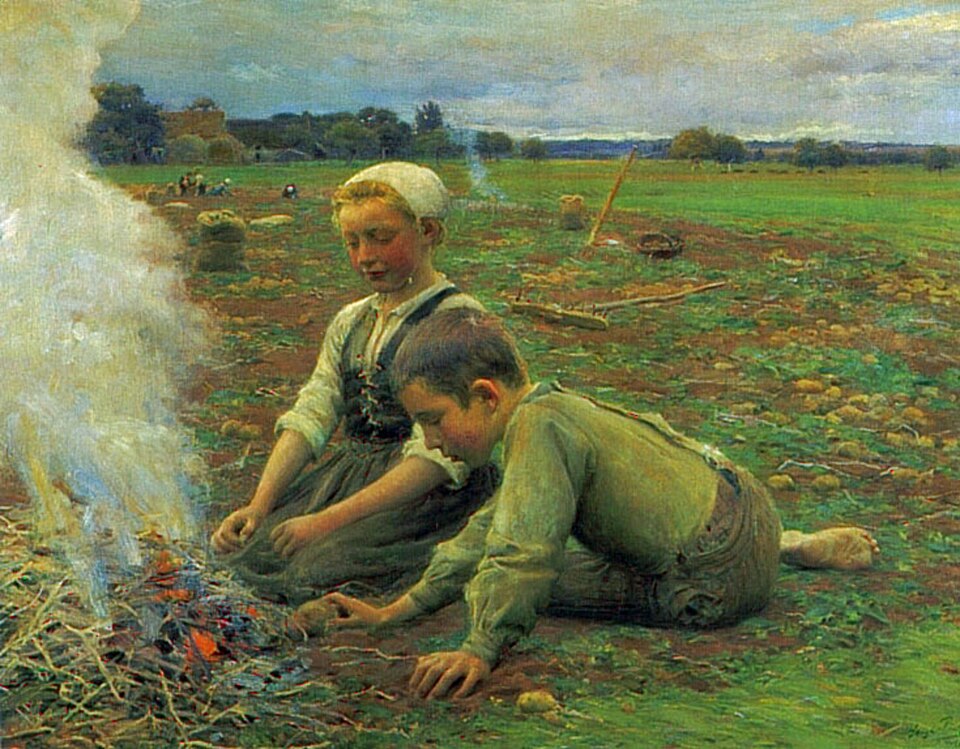
Naturalism was closely related to Realism, but it often placed greater emphasis on the influence of environment, heredity, and social conditions on people’s lives.
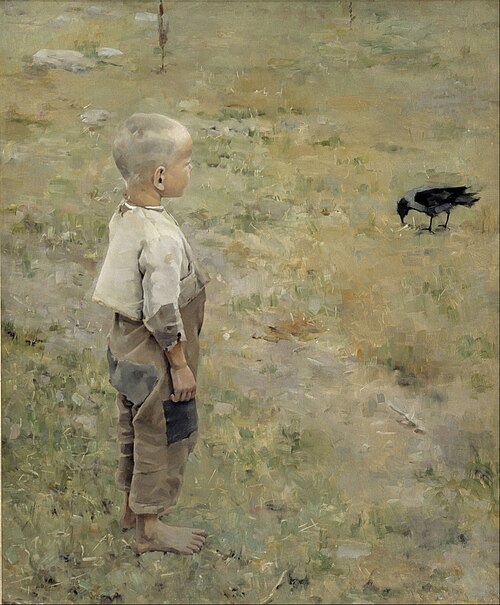
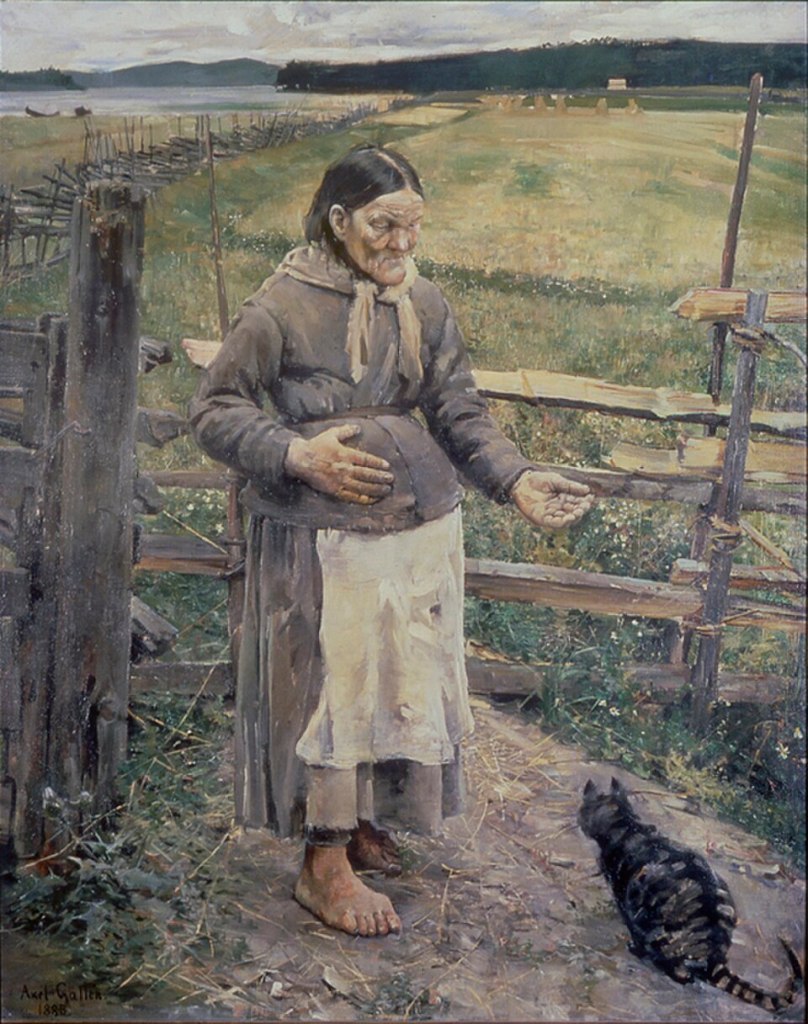
Important Naturalist artists included Jules Bastien-Lepage, Pascal Dagnan-Bouveret, Léon Lhermitte, and Jules Breton, whose paintings often depicted rural life and agricultural labor.
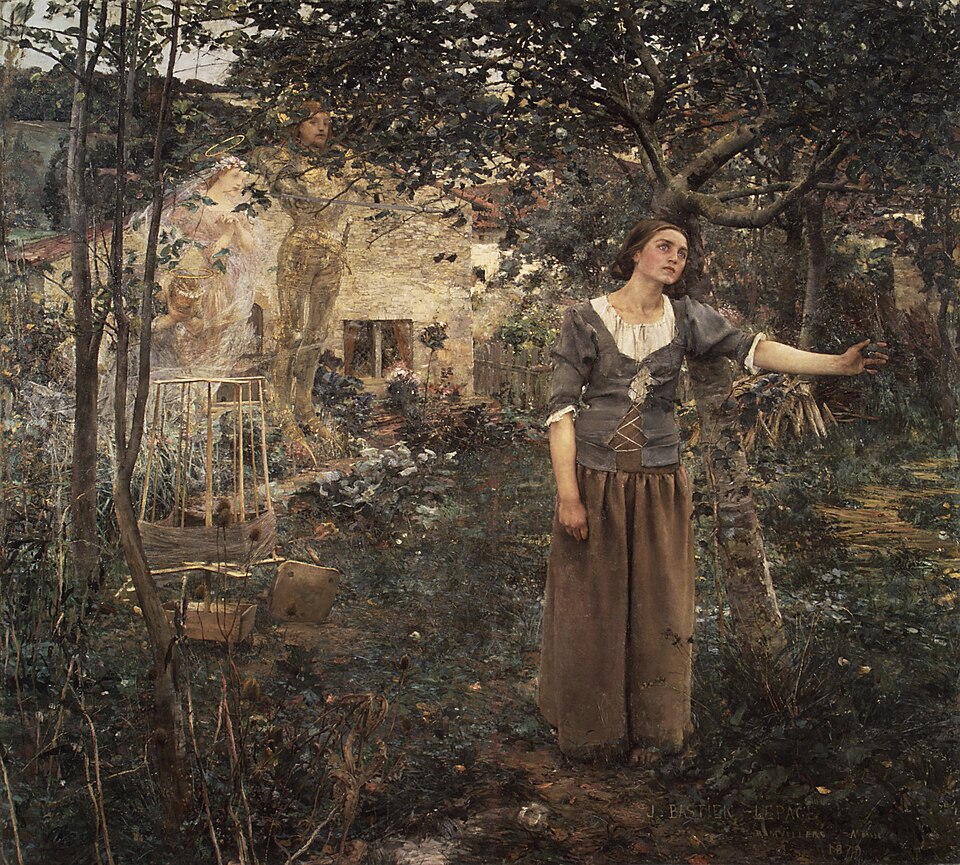
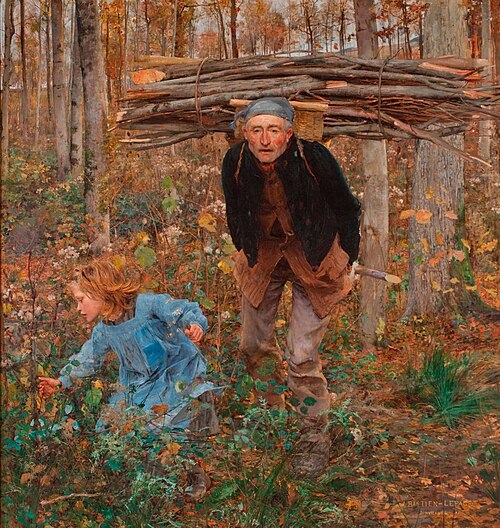
Naturalism art invited viewers to look closely at ordinary life, finding meaning in rural labor, familiar landscapes, and the quiet realities of everyday people. By combining careful observation with social awareness, Naturalist artists created works that feel both truthful and deeply human. Their legacy reminds us that art does not need idealized heroes or grand events to reveal something powerful about the world.


Leave a Reply