
Suprematism began in Russia around 1915. It emerged during a period of intense artistic experimentation just before the Russian Revolution.
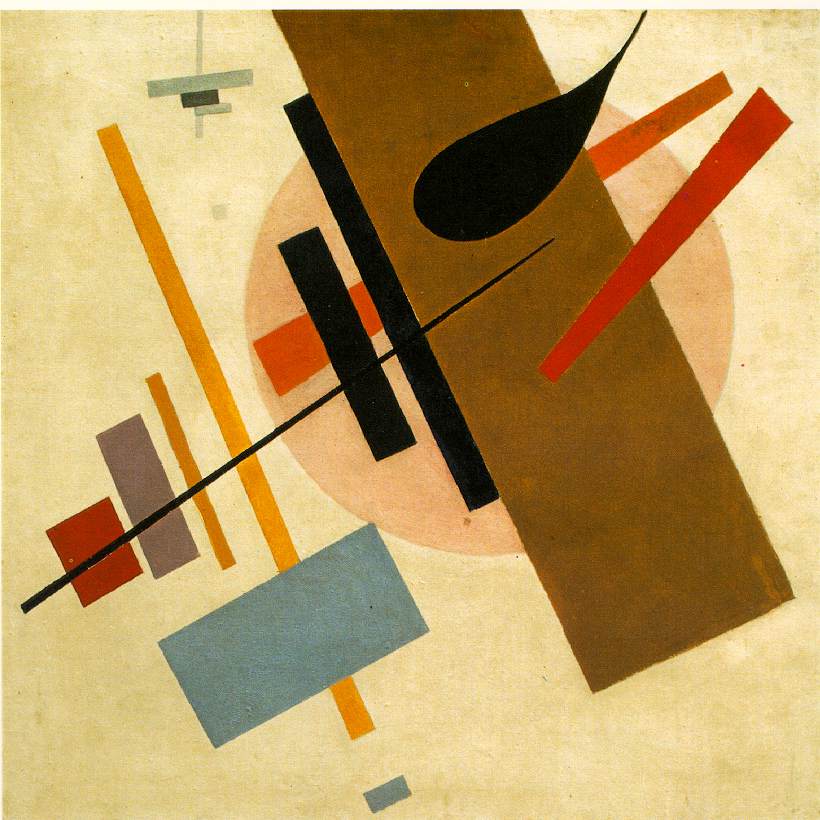
Kazimir Malevich founded the movement. Malevich developed Suprematism as a radical break from traditional painting and is its most important artist.
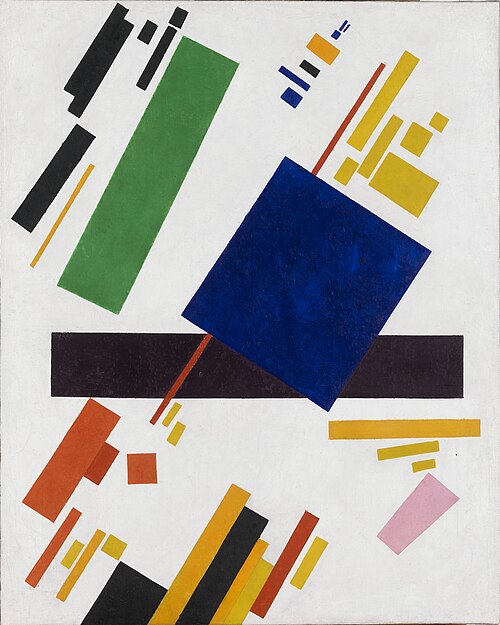
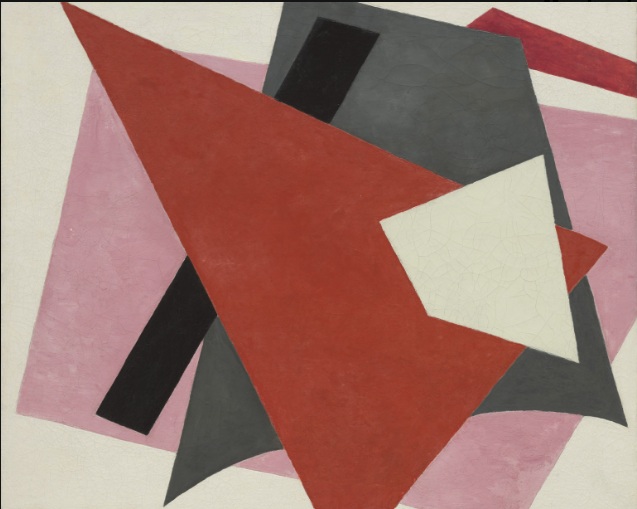
Suprematism rejected realistic representation. Instead of depicting people, landscapes, or recognizable objects, artists used abstract geometric forms.
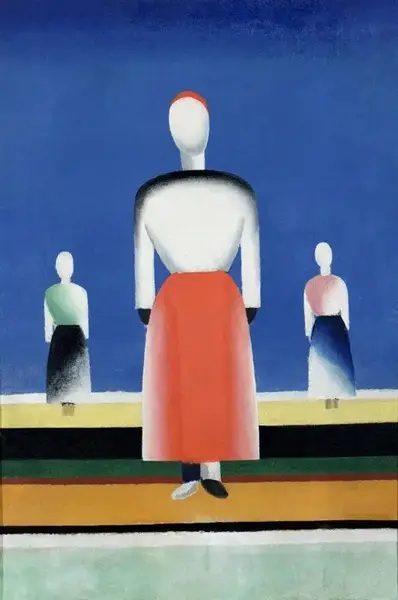
Basic shapes were central to the style. Squares, rectangles, circles, crosses, and straight lines became the visual vocabulary of Suprematist art.
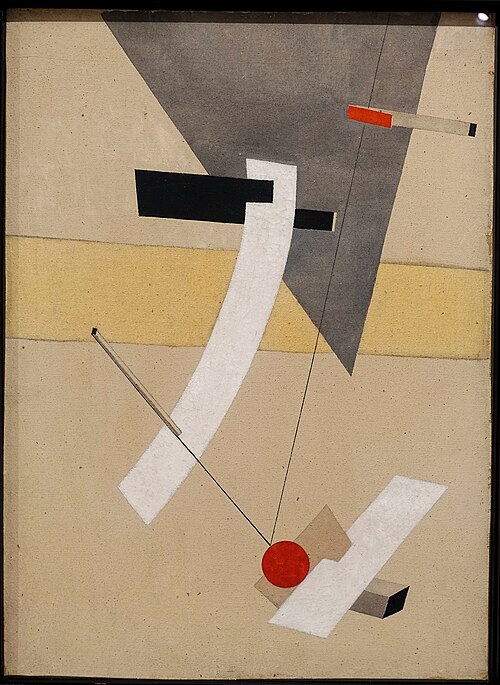
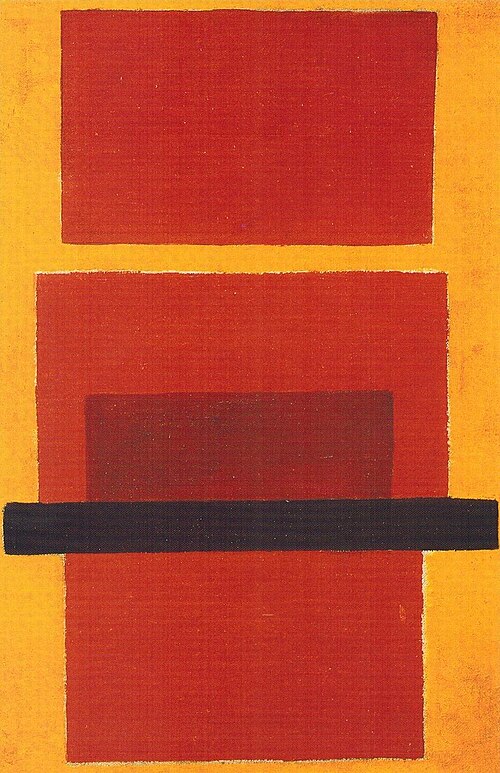
Color was treated as an independent artistic element. Black, white, red, blue, and other bold colors were used for their visual and emotional impact rather than to imitate nature.
Malevich called it the “supremacy of pure feeling.”
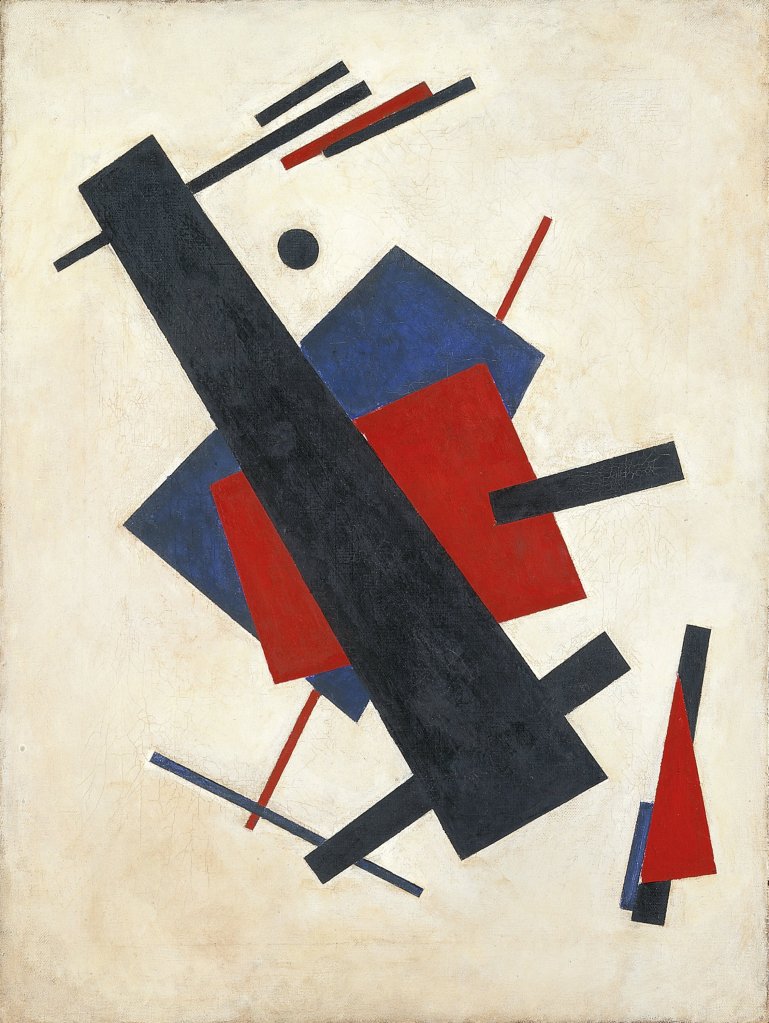
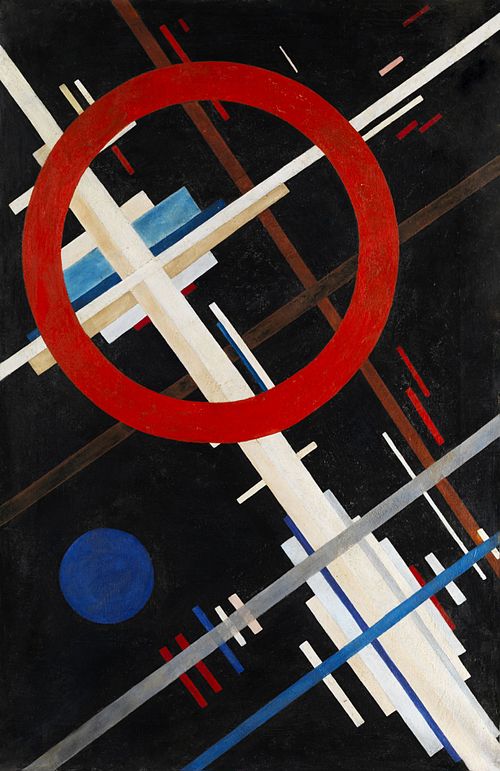
The name Suprematism comes from Malevich’s belief that pure artistic feeling should take precedence over representing objects from the physical world.
Black Square became the movement’s defining image. Malevich’s famous Black Square, first publicly exhibited in 1915, reduced painting to one of its most basic possible forms: a dark square against a light ground.
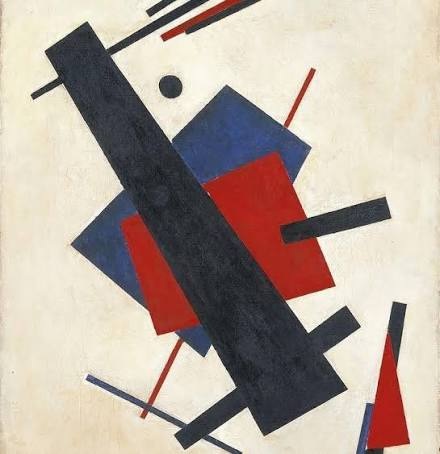
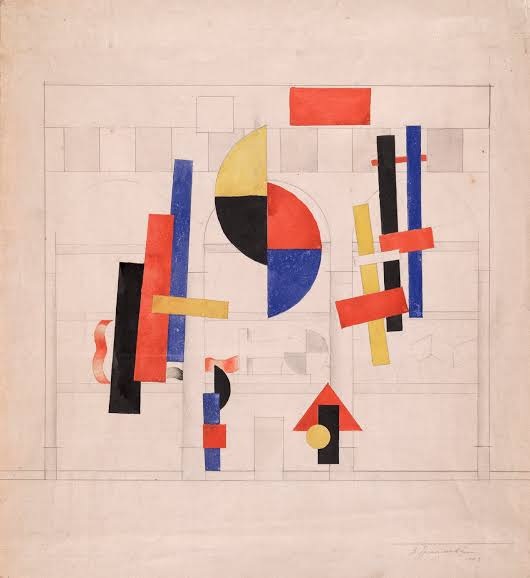
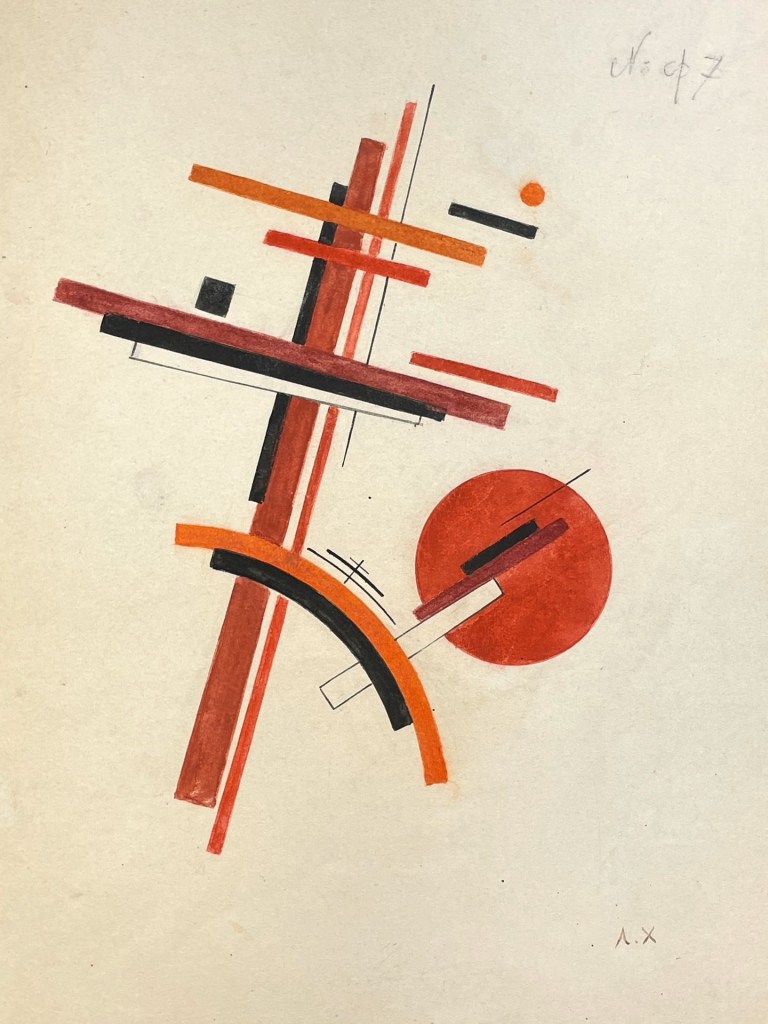
Suprematist compositions often suggest floating shapes. Geometric forms appear suspended, tilted, or moving through empty space, creating a sense of weightlessness and dynamism.
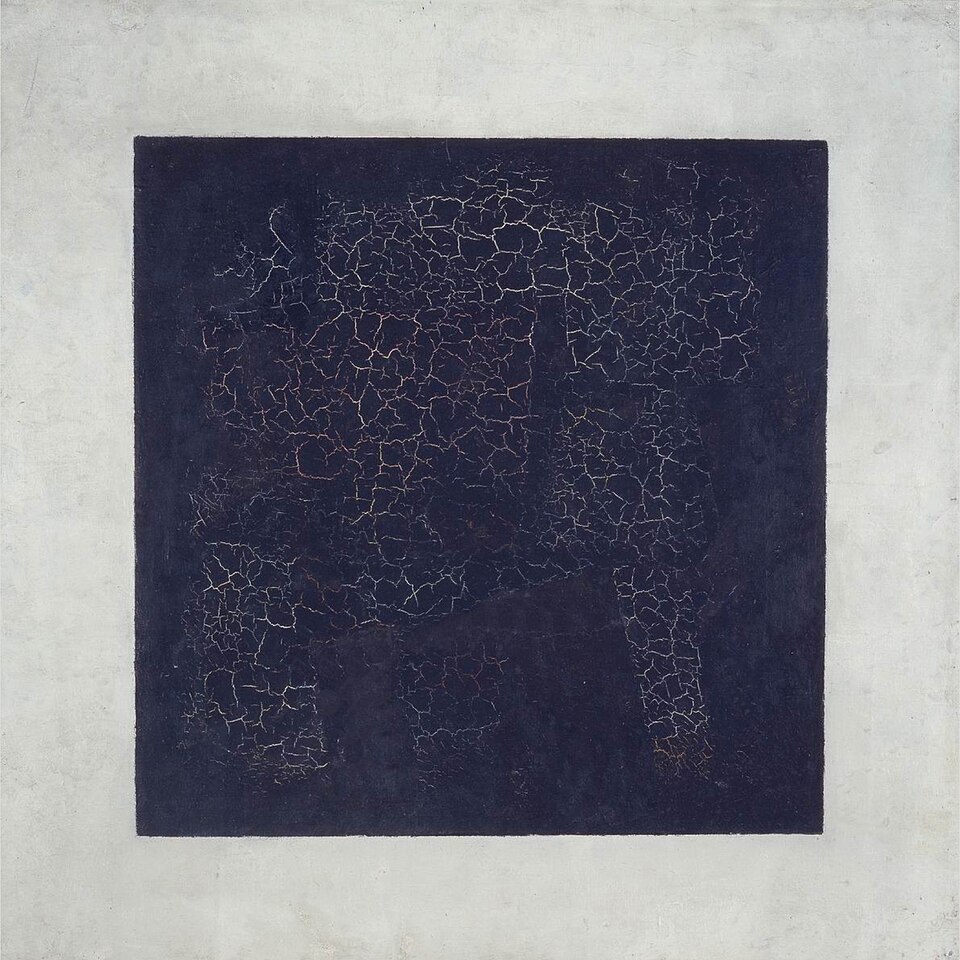
White space became an important part of the composition. The background was not merely empty. Malevich often treated white as an infinite space in which forms could exist without reference to the everyday world.
Suprematism helped shape modern abstract art and design. Although the movement itself was relatively short-lived, its geometric abstraction influenced later Constructivism, Bauhaus design, Minimalism, graphic design, architecture, and modern abstract painting.


Leave a Reply