
Art Nouveau emerged in the late 19th century. It flourished roughly from the 1890s to about 1910, especially across Europe and the United States.
Its name means “New Art.” The French term Art Nouveau reflected the movement’s desire to create a distinctly modern style rather than imitate older historical traditions.
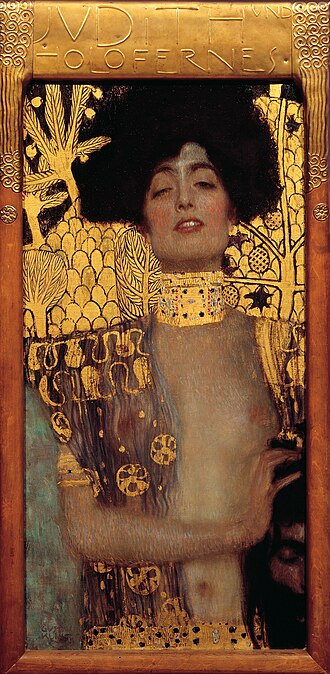
Judith I, 1901
Öl auf Leinwand
84 x 42 cm
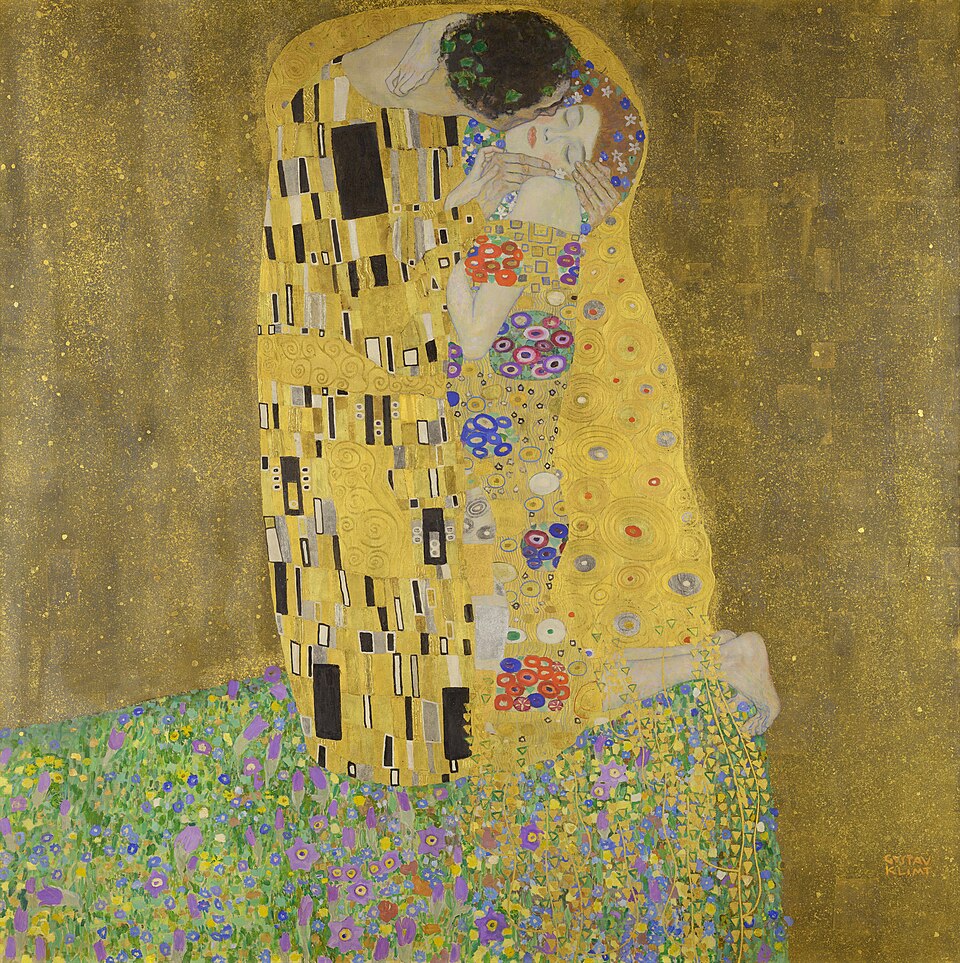
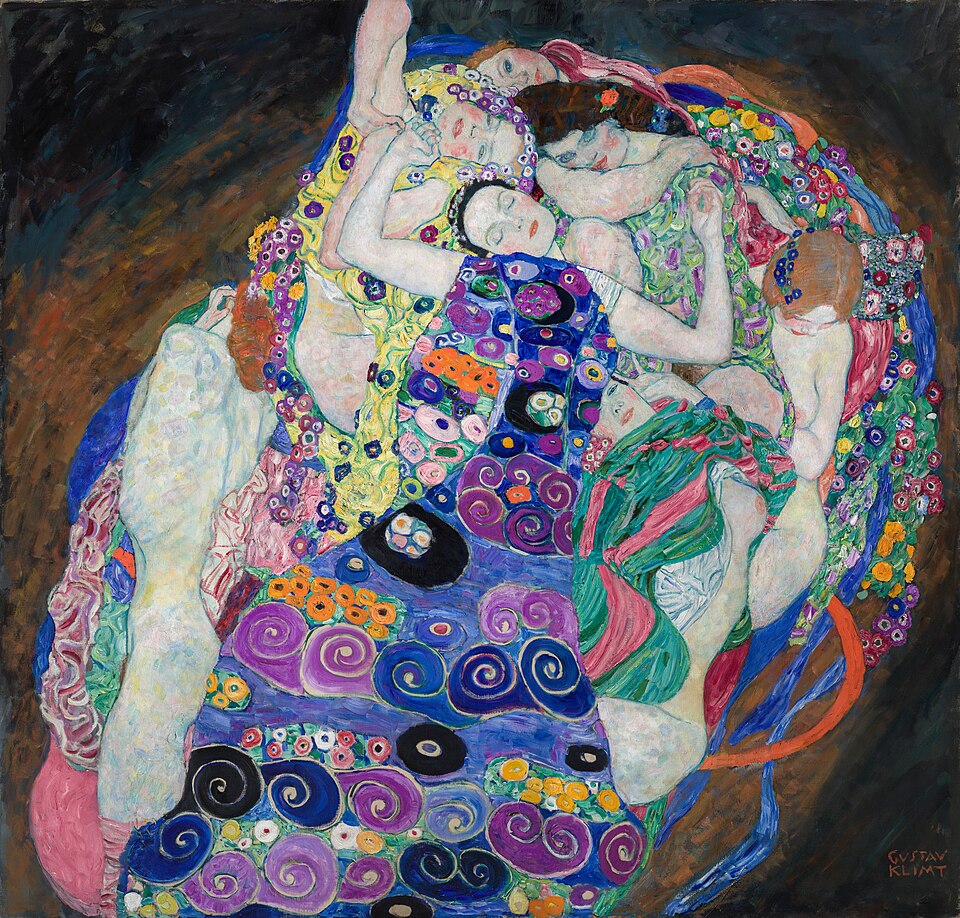
Gustav Klimt
Curving lines are one of its defining features. Art Nouveau is famous for its long, flowing, asymmetrical curves—sometimes called the “whiplash line.”
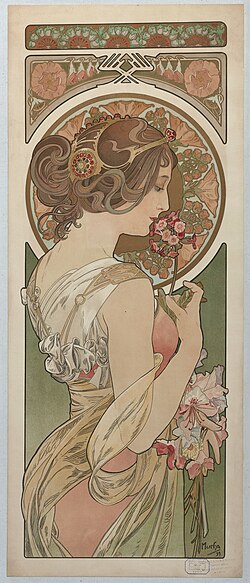
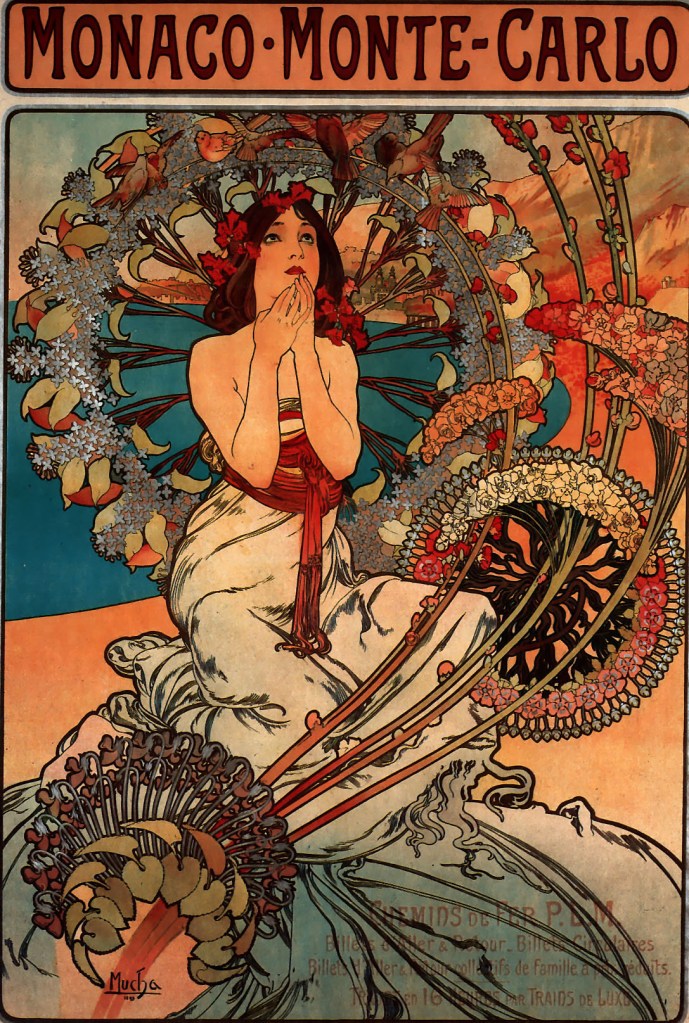
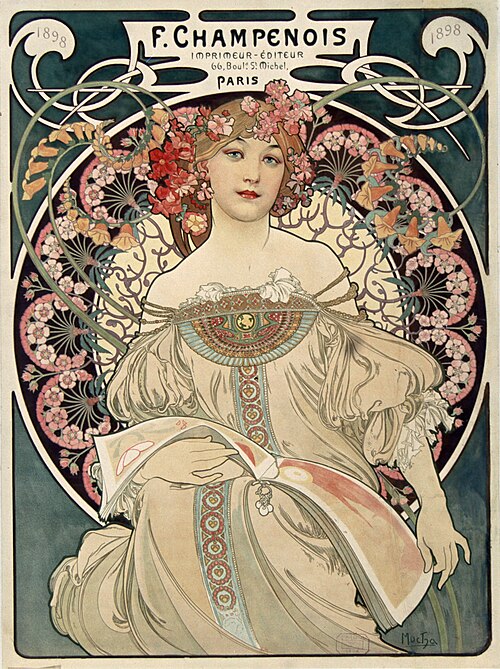
Alphonse Mucha
Nature was its biggest inspiration. Artists frequently borrowed forms from flowers, vines, leaves, insects, birds, and flowing water.
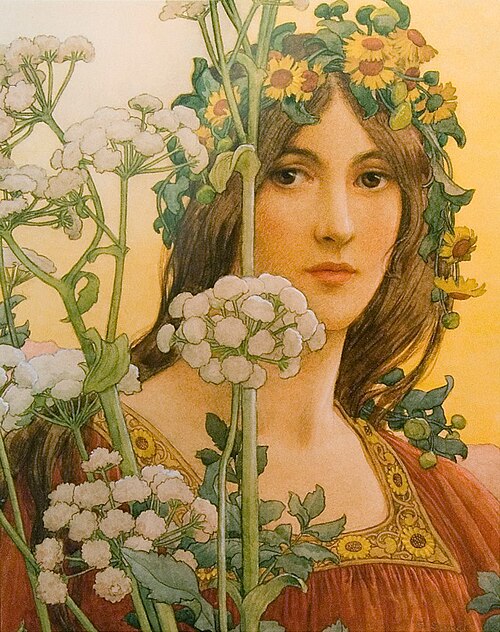
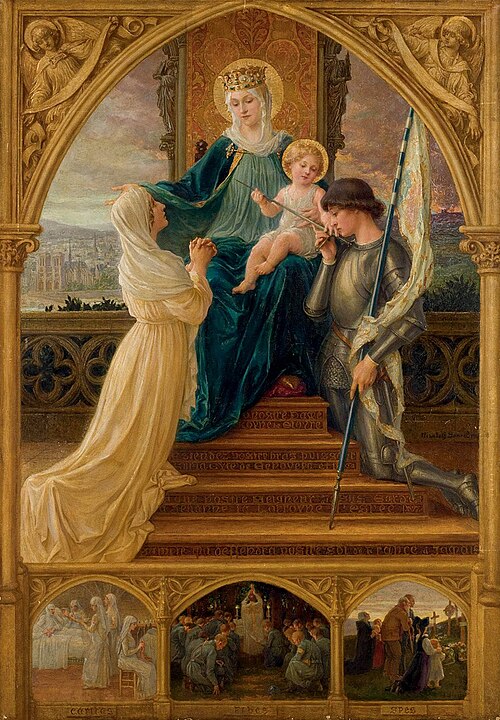
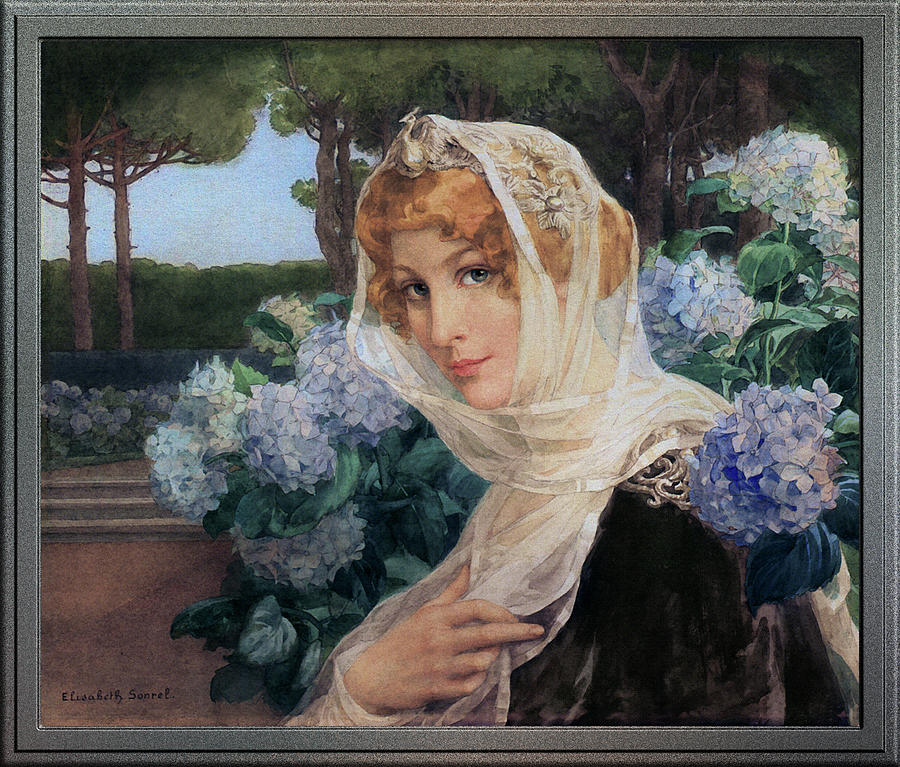
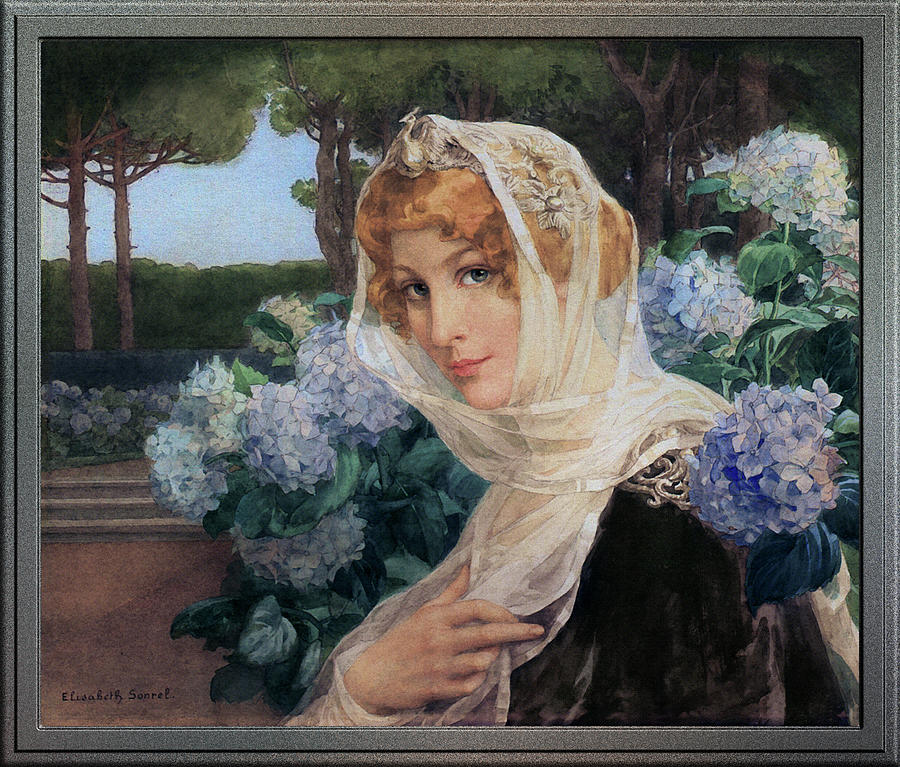
Élisabeth Sonrel
It blurred the line between fine art and decorative art. Art Nouveau artists believed beautiful design should appear not only in paintings but also in furniture, jewelry, posters, glassware, architecture, and everyday objects.
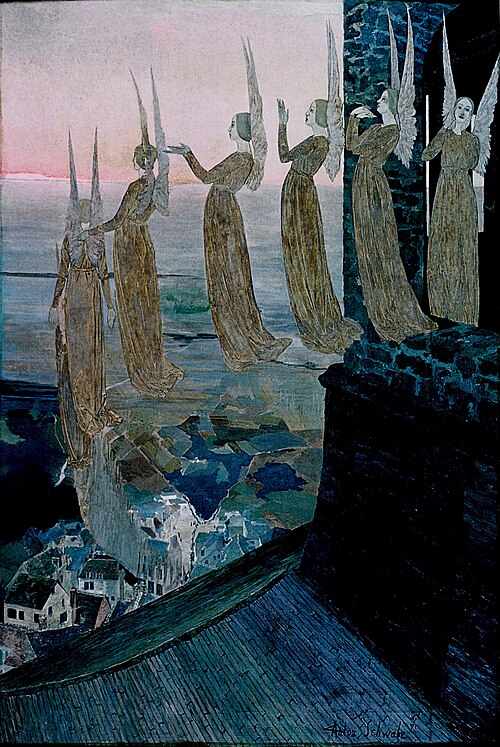
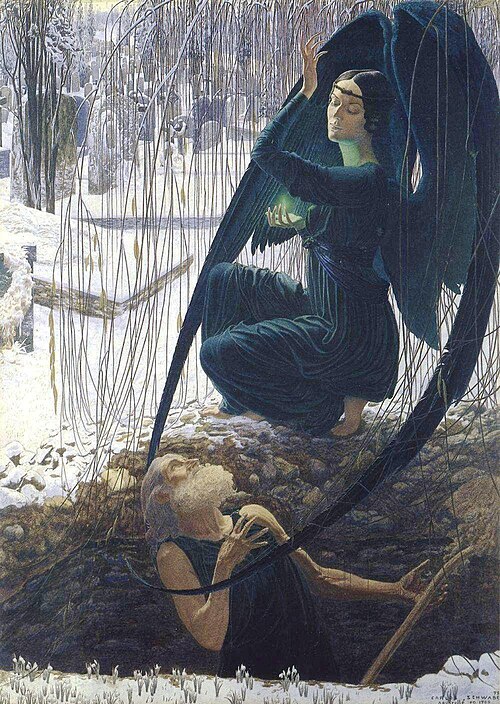
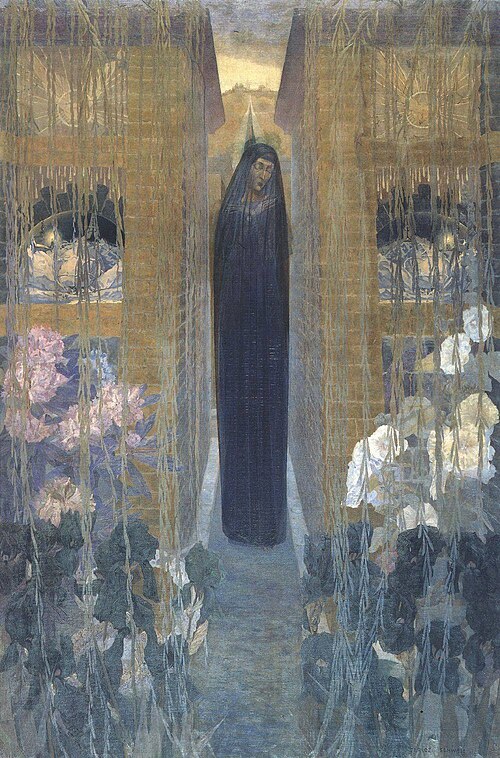
Carlos Schwabe
The movement embraced the idea of a total work of art. Designers often created buildings in which the architecture, furniture, stained glass, lighting, and decoration all worked together as one unified artistic environment.
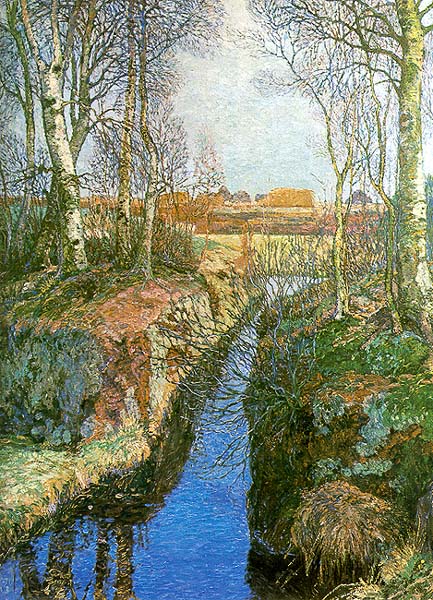
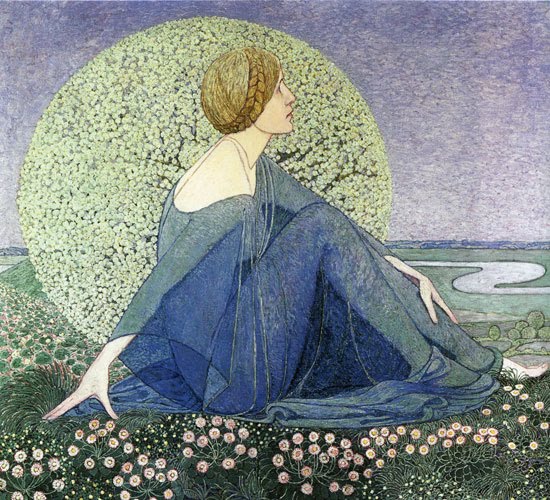
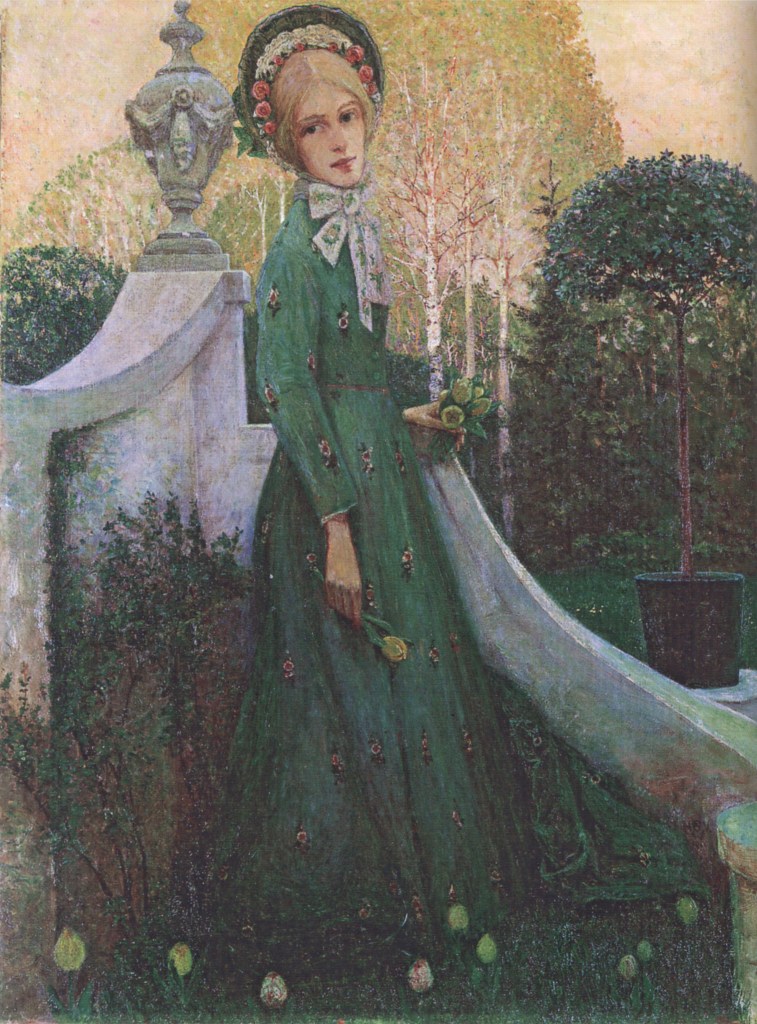
Heinrich Vogeler
Women were common subjects. Posters and illustrations frequently featured elegant female figures with long flowing hair, elaborate clothing, and natural or floral surroundings.
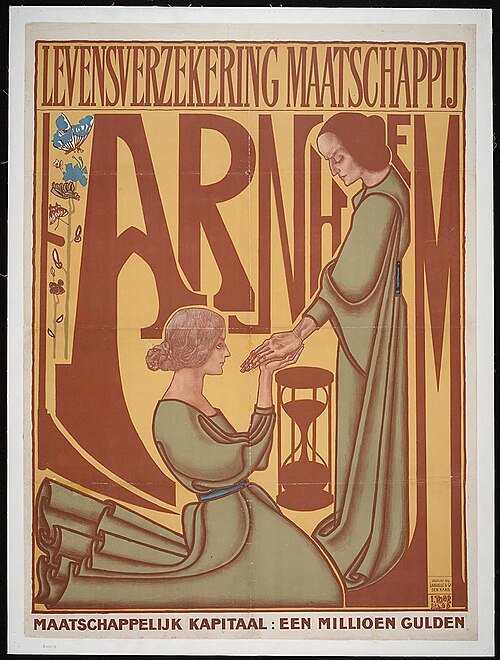
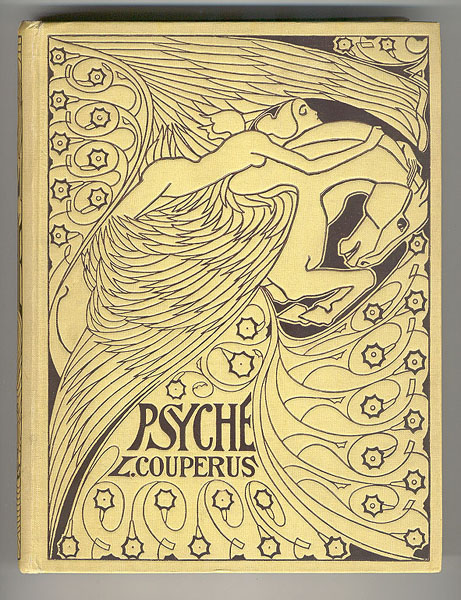
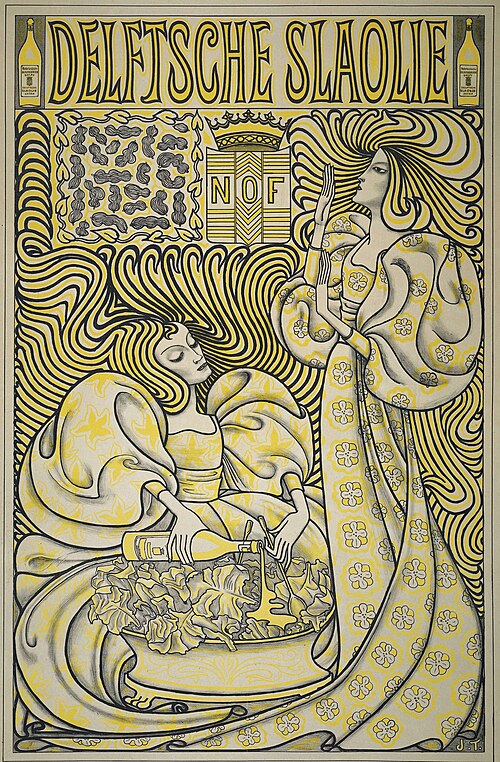
Jan Toorop
Japanese art strongly influenced Art Nouveau. European artists admired Japanese woodblock prints for their flat areas of color, bold outlines, unusual compositions, and simplified natural forms.
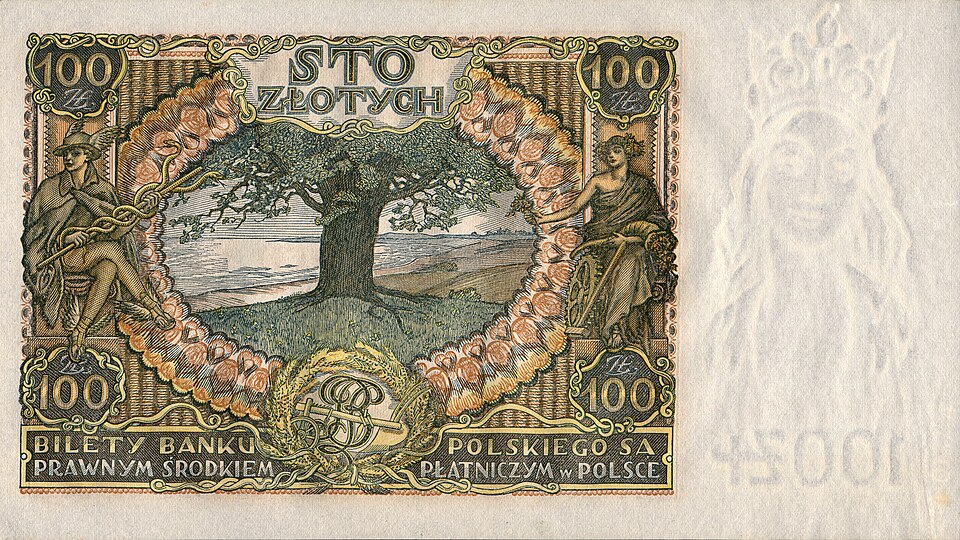
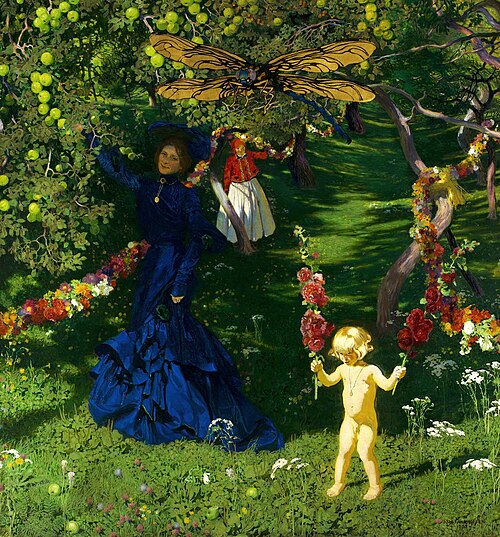
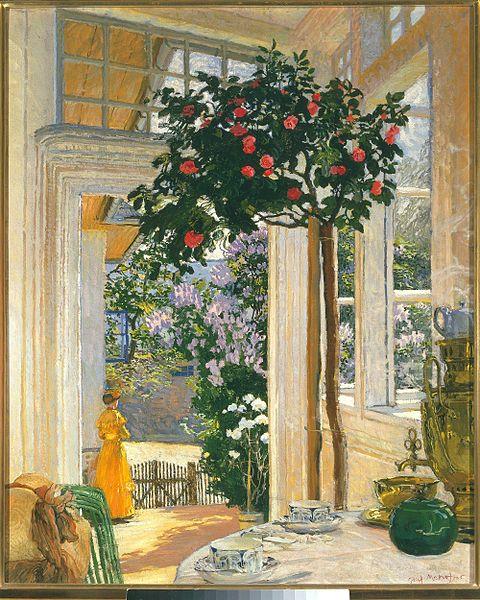
Józef Mehoffer
Art Nouveau looked different from country to country. Related styles included Jugendstil in Germany, Secession Style in Austria, Modernisme in Catalonia, and Stile Liberty in Italy.
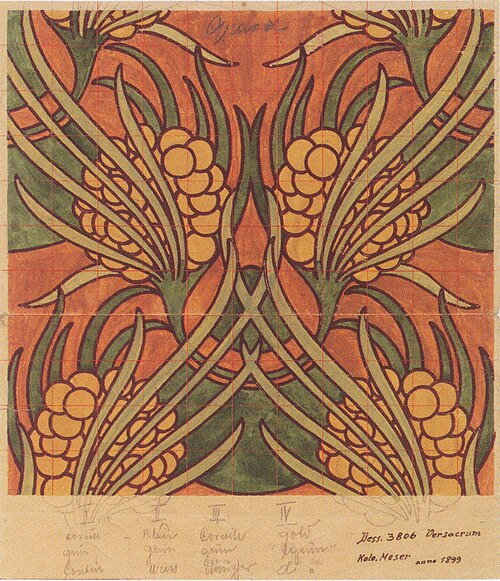
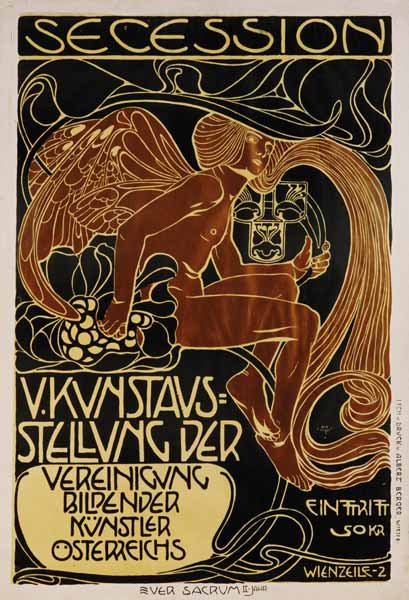
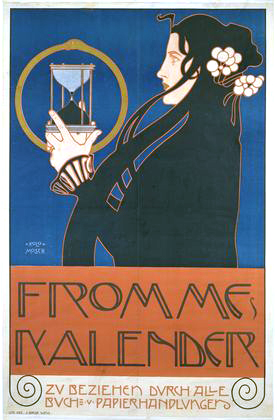
Koloman Moser
Art Nouveau helped prepare the way for modern design. Although the movement declined before World War I, its rejection of historical imitation and its emphasis on unified design helped influence Art Deco, modern architecture, graphic design, and later decorative arts.
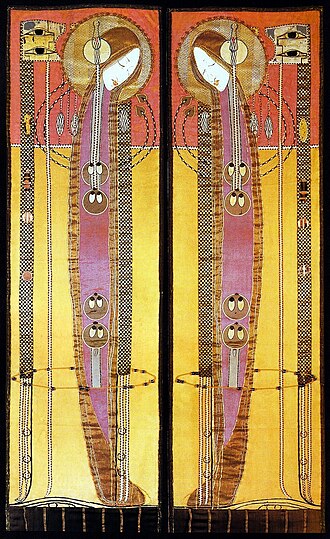
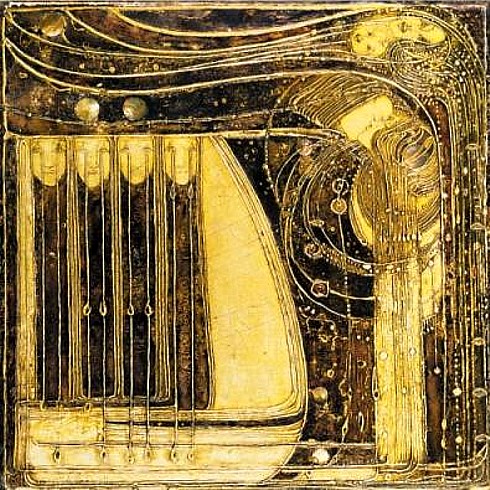
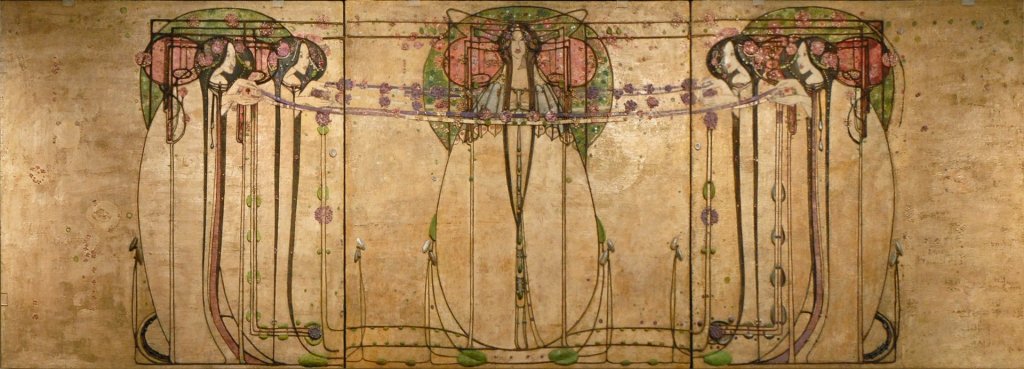
Margaret Macdonald Mackintosh
 Armchair Art Share
Leave a comment