
Symbolism emerged in the late 19th century, especially during the 1880s and 1890s, as artists pushed back against Realism and Naturalism.
Symbolist artists focused on ideas, emotions, dreams, and spirituality rather than trying to reproduce everyday life accurately.
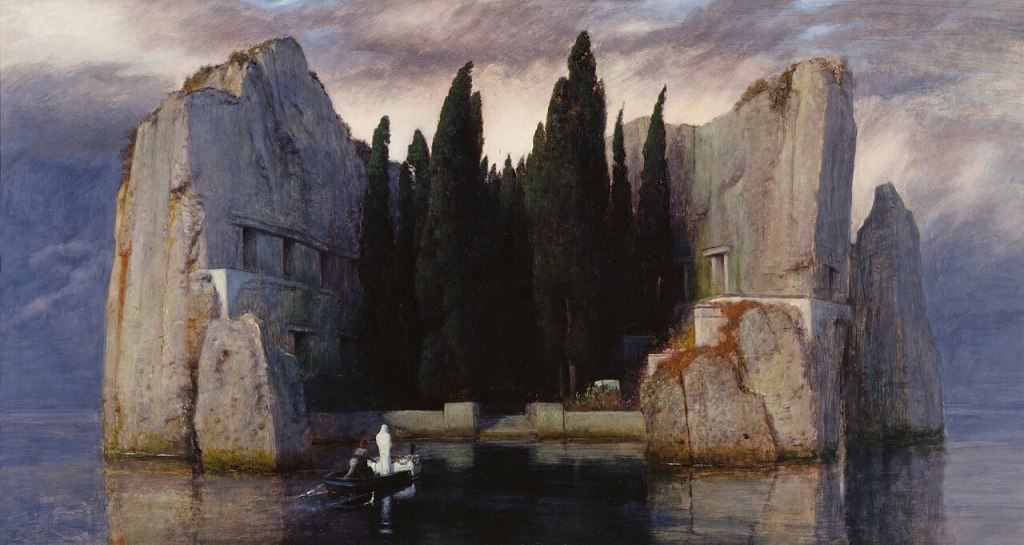
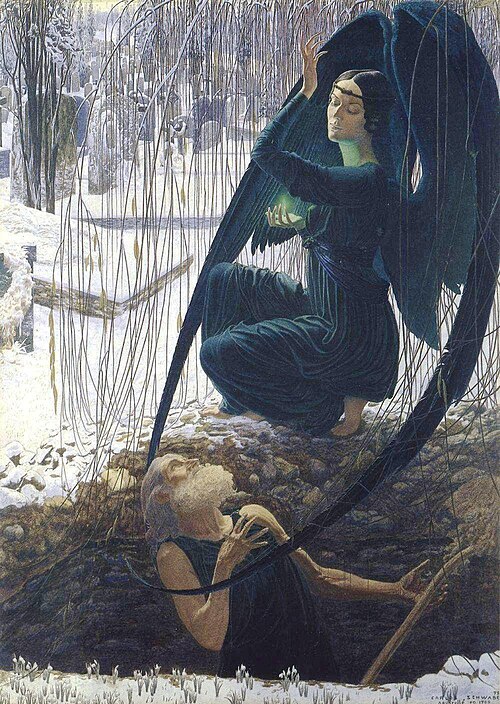
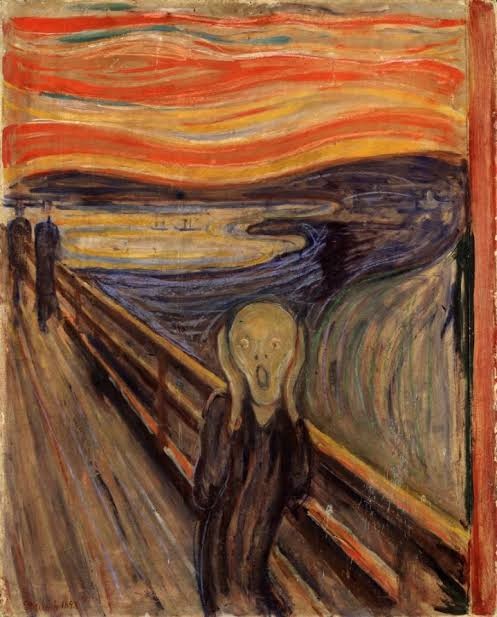
Symbols were used to suggest deeper meanings. Objects, colors, figures, landscapes, and animals could represent concepts such as death, love, fear, temptation, or the soul.
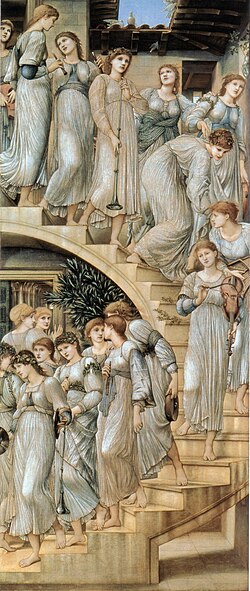
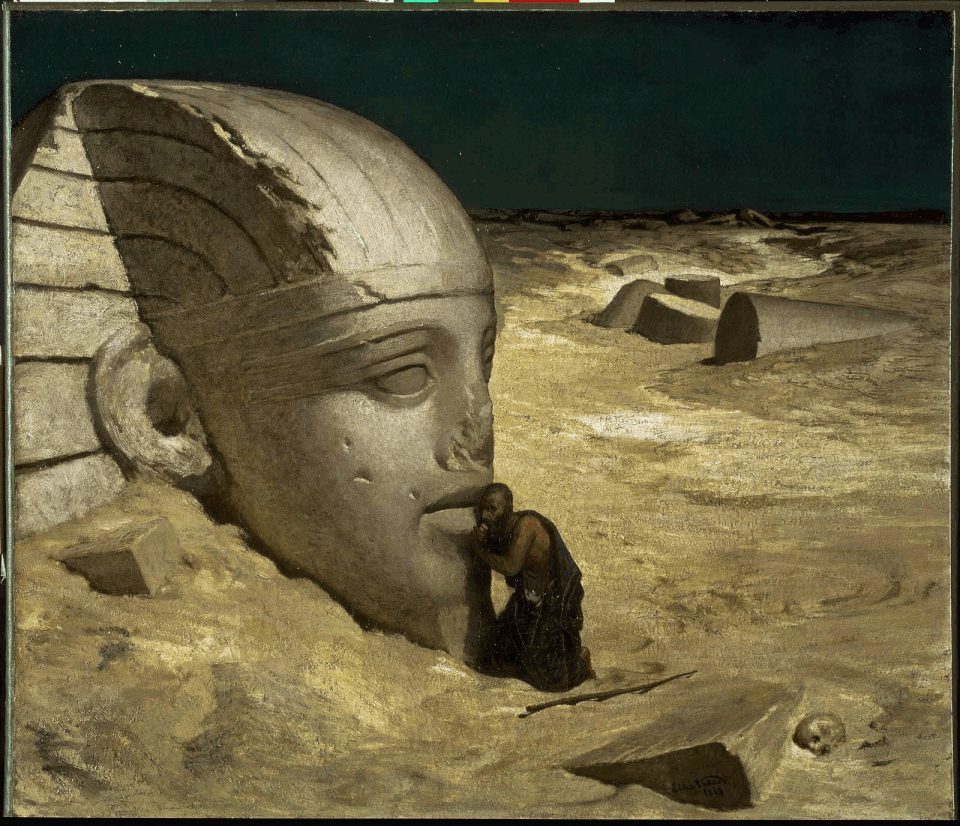
Dreams and the imagination were major sources of inspiration. Symbolist works often have mysterious, supernatural, or dreamlike qualities.
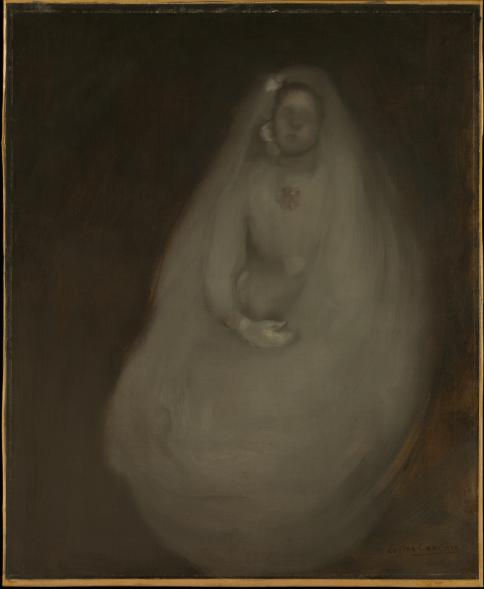
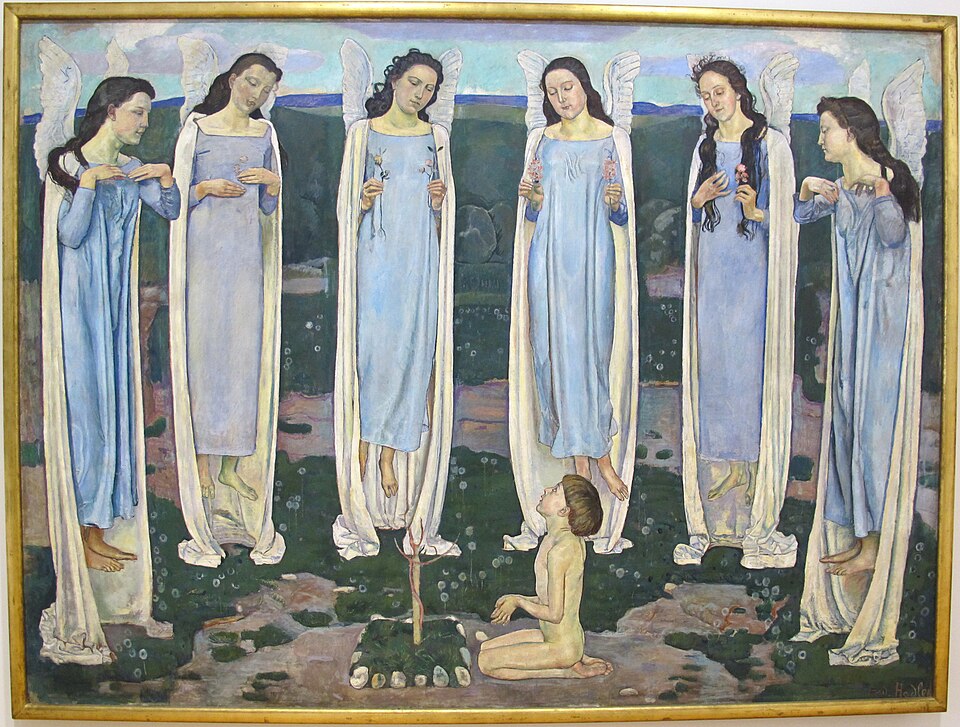
Mythology and religion frequently appeared in Symbolist art. Artists drew from ancient myths, biblical stories, legends, and mystical traditions.
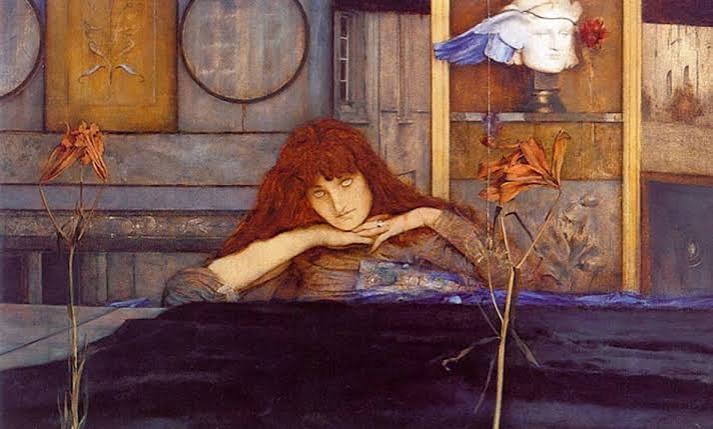
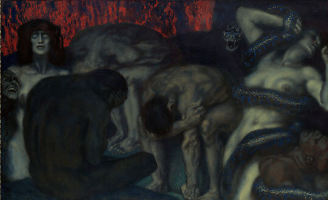
Symbolism developed partly as a reaction against industrialized modern life. Many Symbolists were more interested in inner experience and spiritual mystery than technology or urban progress.
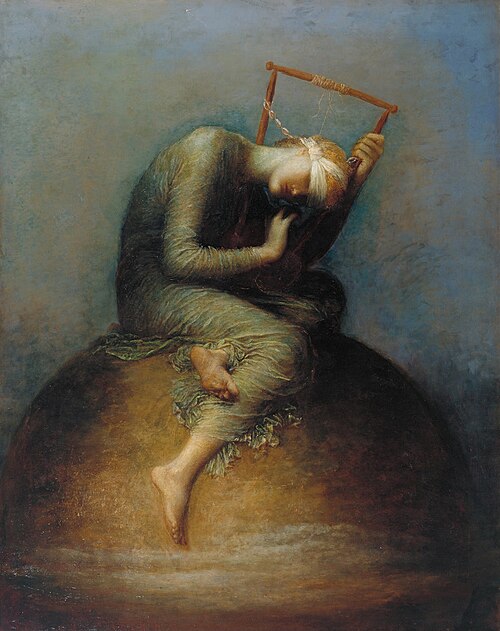
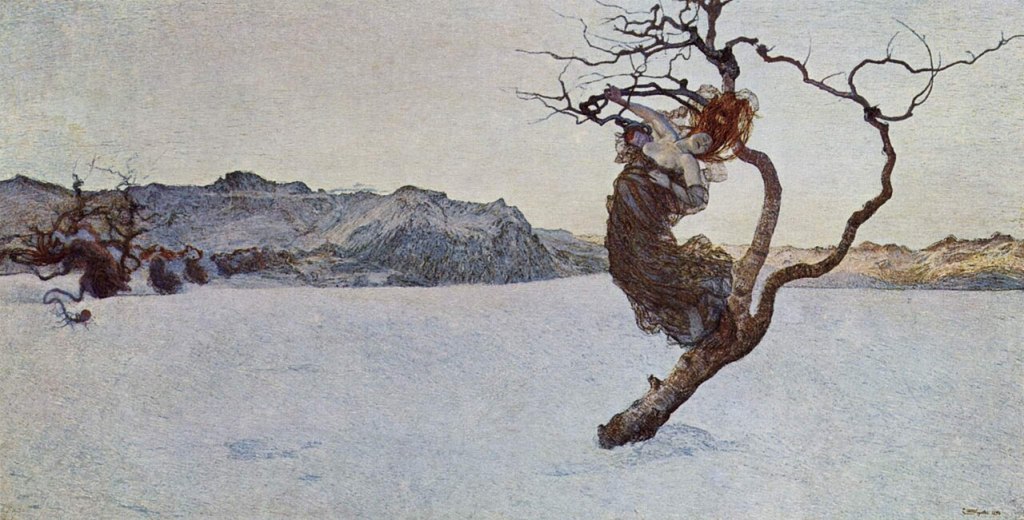
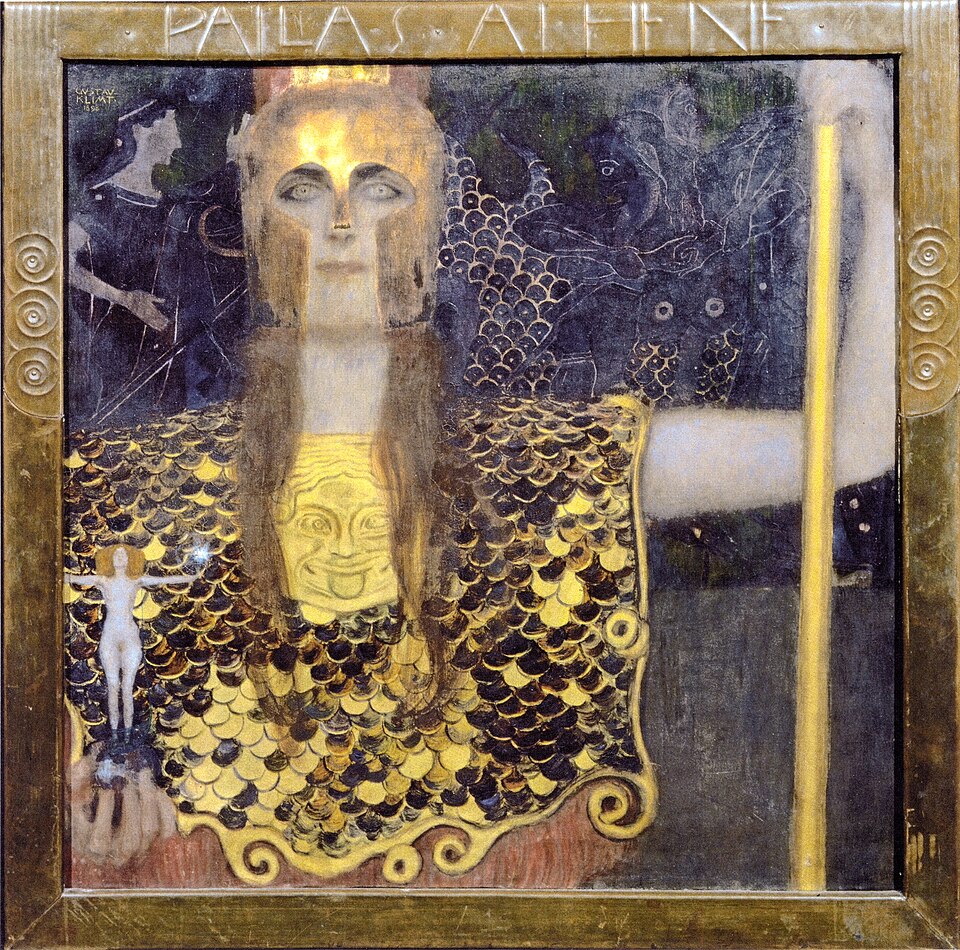
The movement was closely connected with literature and poetry. Writers such as Stéphane Mallarmé and Paul Verlaine shared the Symbolist interest in suggestion, mood, and hidden meaning.
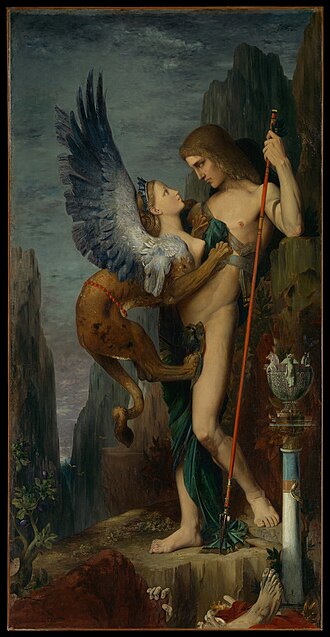
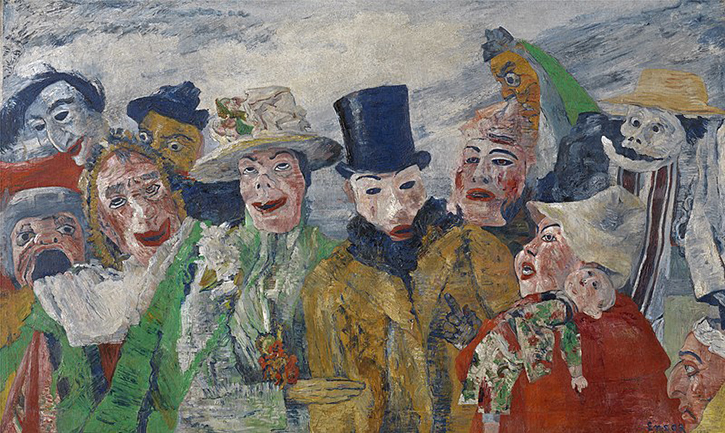
Important Symbolist artists included Gustave Moreau, Odilon Redon, Arnold Böcklin, and Fernand Khnopff. Their styles differed greatly, but they shared an interest in imagination and psychological experience.
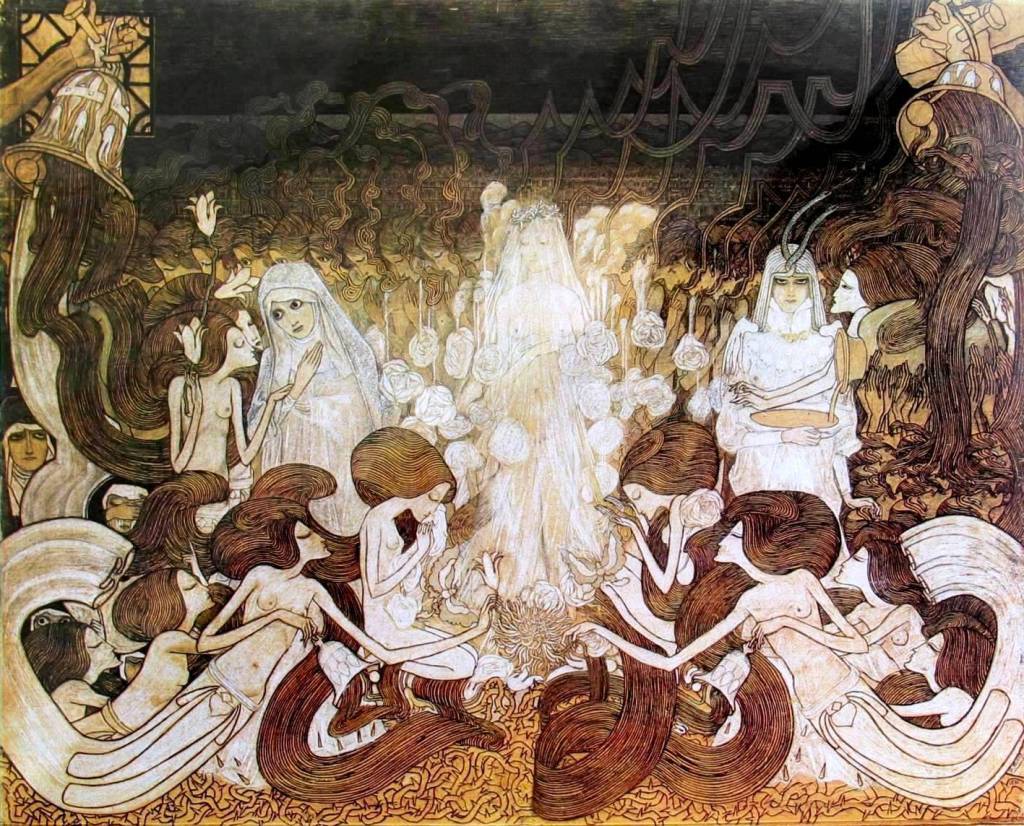
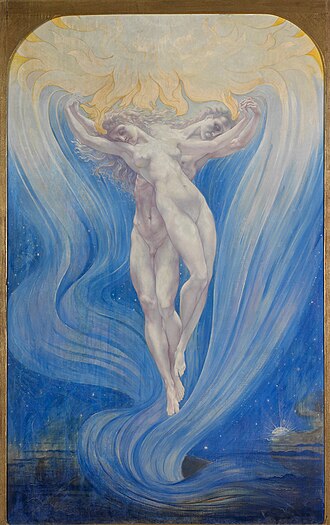
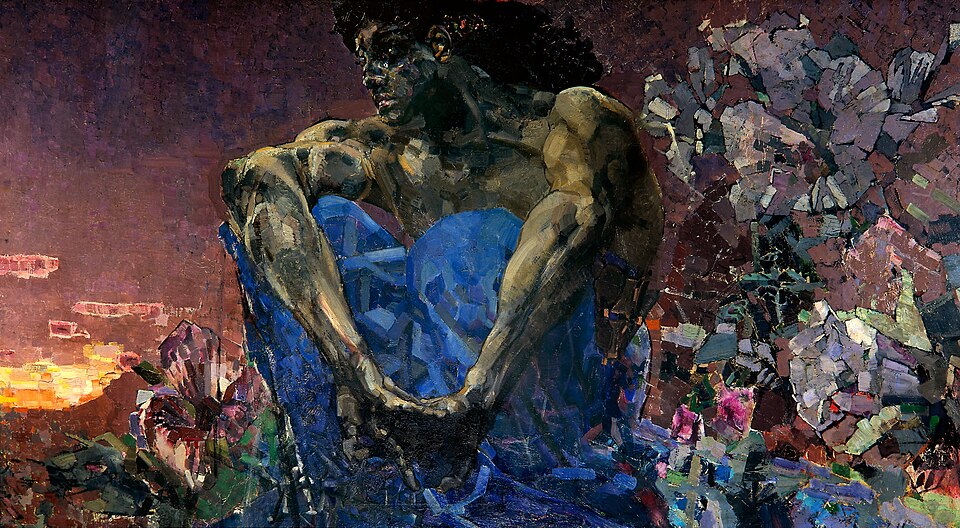
There was no single Symbolist painting style. Some works were highly detailed and realistic, while others were simplified, decorative, strange, or fantastical.
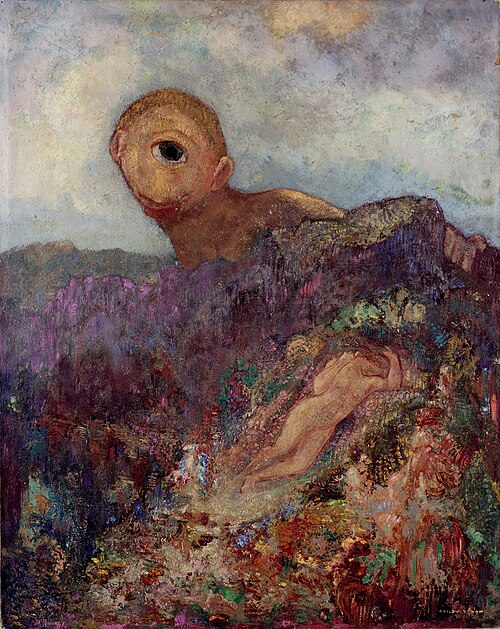
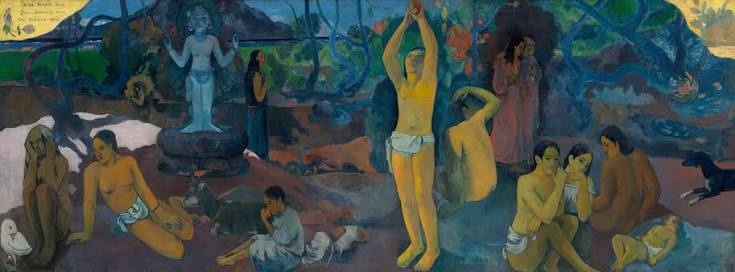
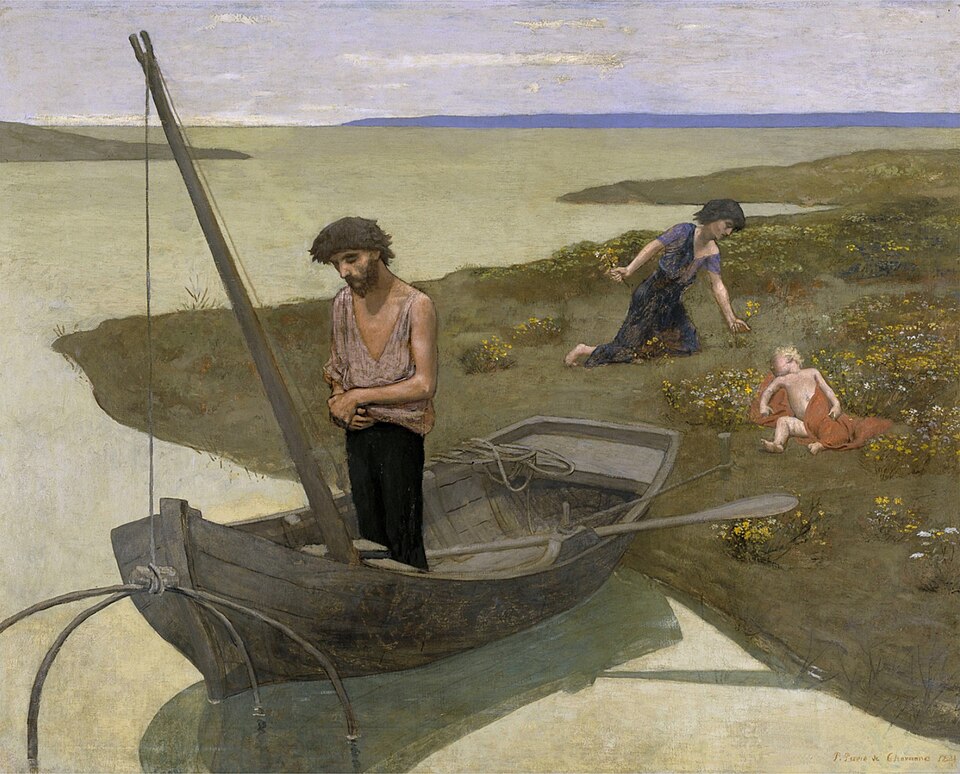
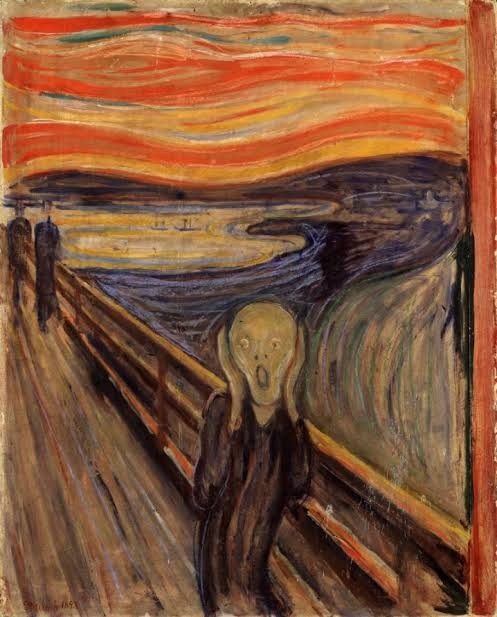
Symbolism helped prepare the way for modern movements such as Expressionism and Surrealism. Its emphasis on dreams, emotion, psychology, and the unconscious became especially influential in 20th-century art.


Leave a comment