
Expressionism emerged in the early 20th century, particularly in Germany around 1905. The movement emphasized emotional experience and personal interpretation rather than realistic representations of the physical world.
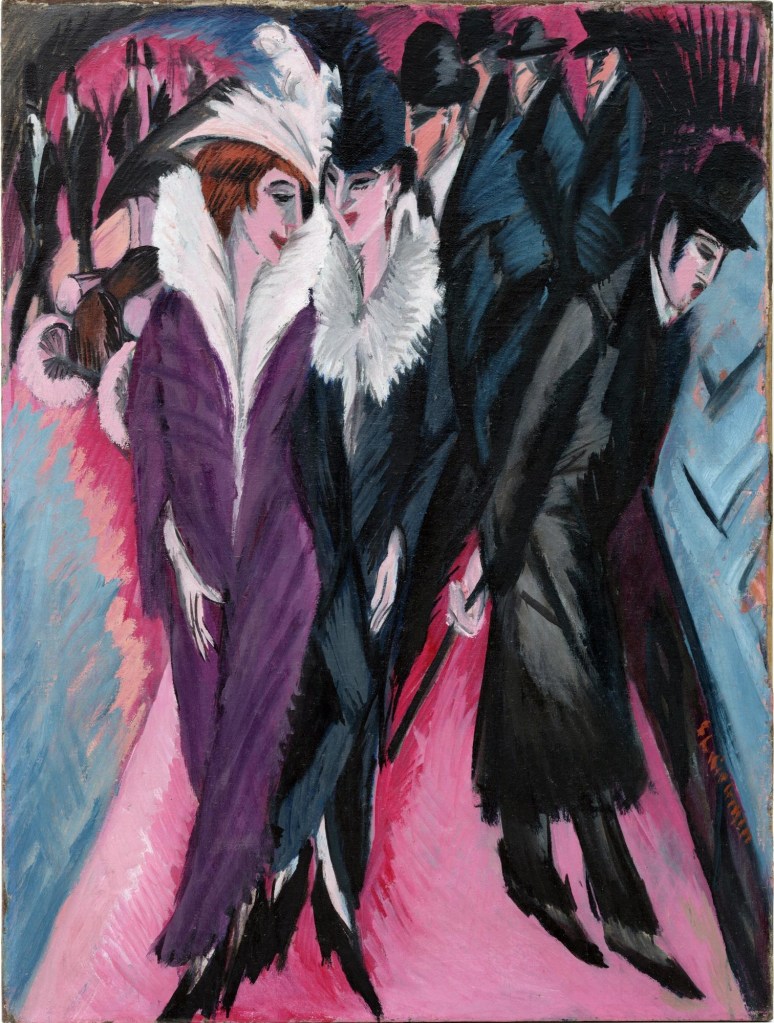
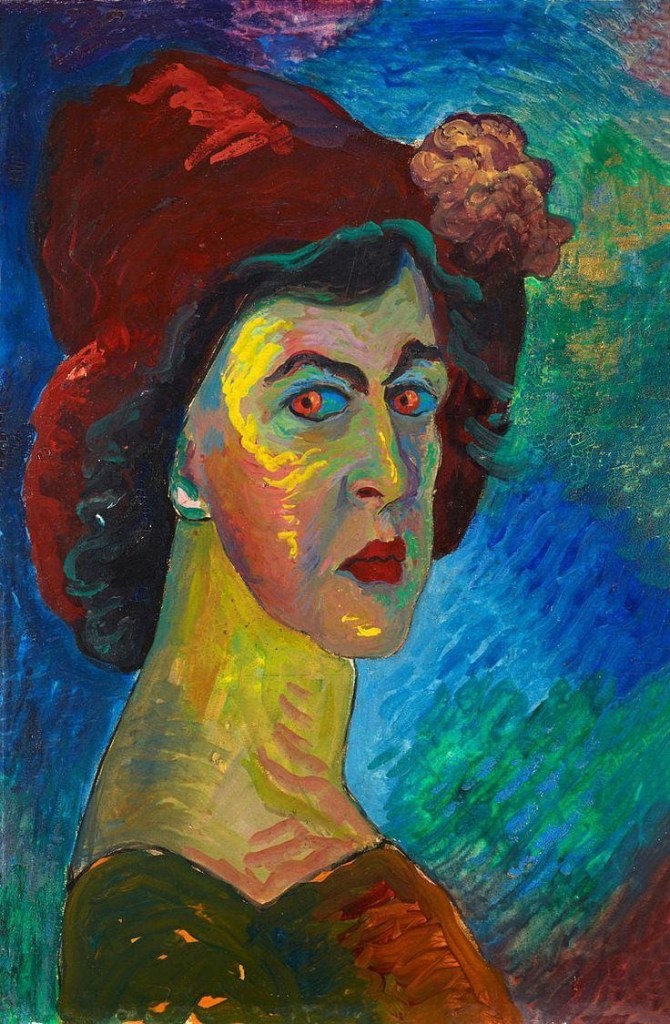
Expressionist artists used bold colors, distorted forms, and exaggerated imagery to communicate powerful emotions such as anxiety, fear, loneliness, excitement, and spiritual longing. Their paintings often reflected psychological states rather than objective reality.
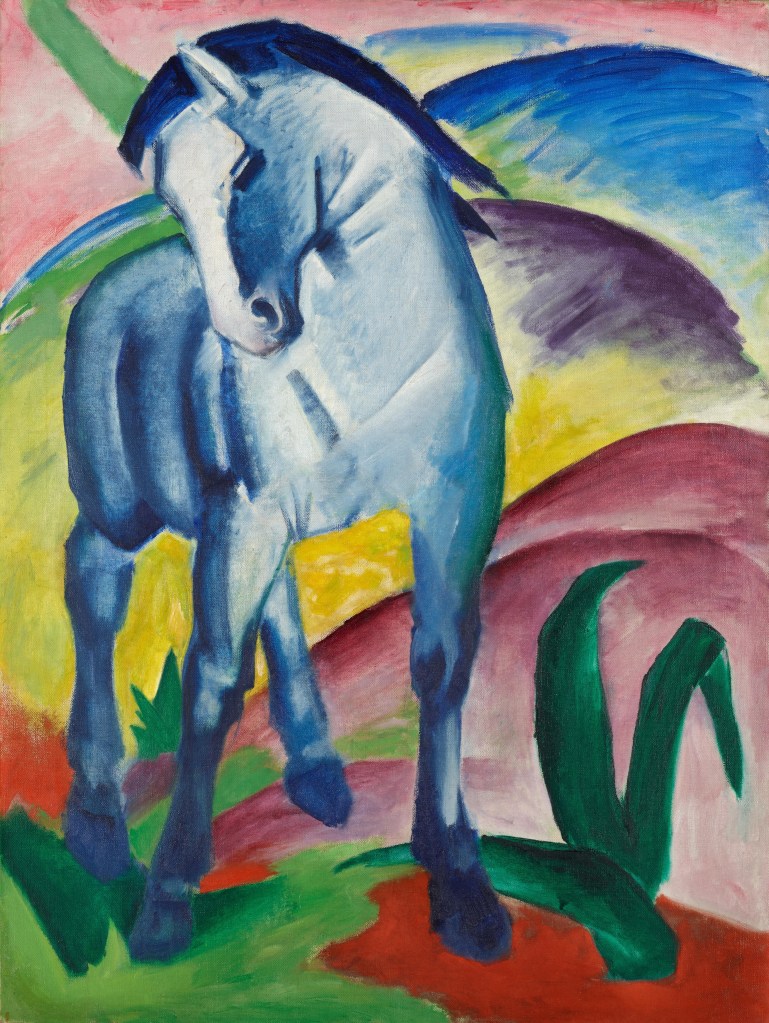
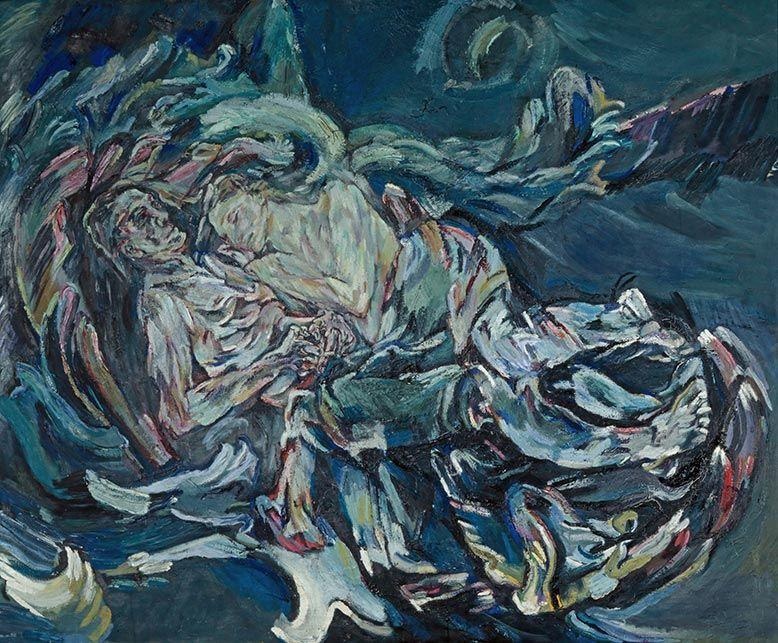
by Oskar Kokoschka
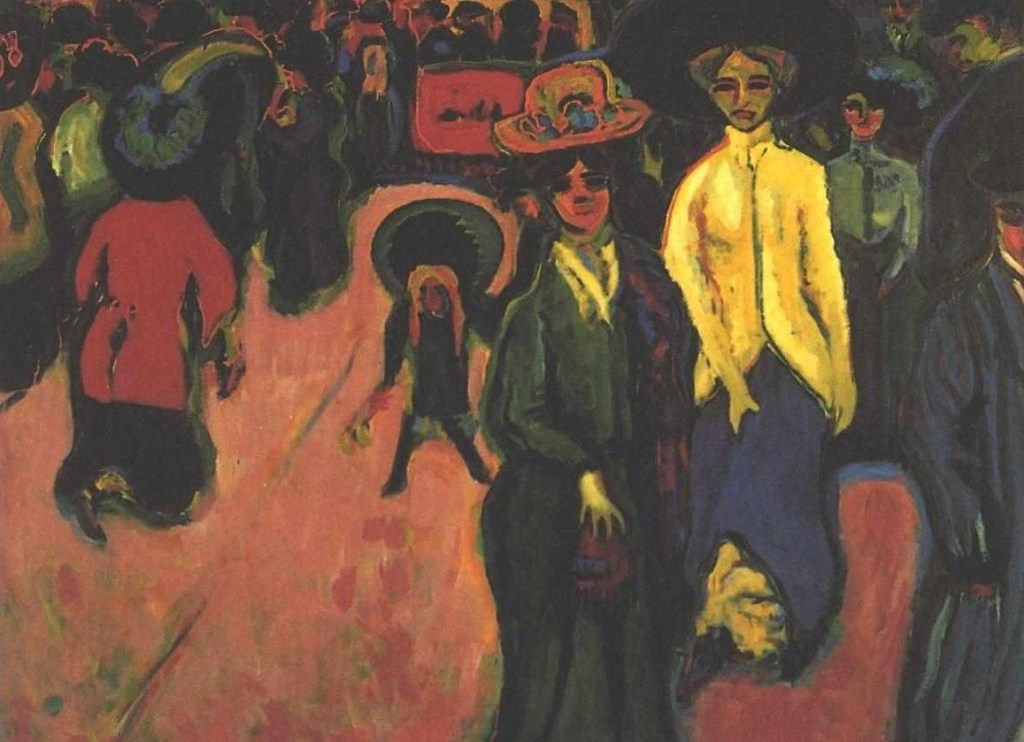
Two influential German Expressionist groups were Die Brücke (The Bridge) and Der Blaue Reiter (The Blue Rider). Die Brücke, founded in Dresden in 1905, emphasized raw emotional expression, while Der Blaue Reiter, established in Munich in 1911, explored spirituality, color, and increasingly abstract forms.
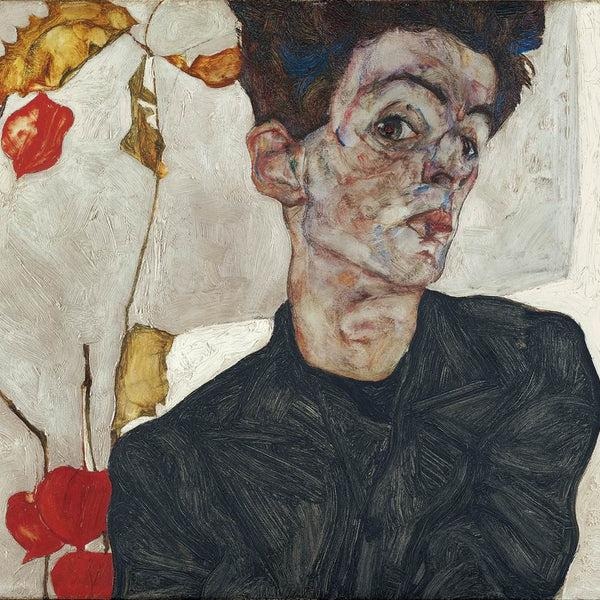
by Egon Schiele
Prominent Expressionist artists included Ernst Ludwig Kirchner, Wassily Kandinsky, Franz Marc, Emil Nolde, and Egon Schiele. Although Edvard Munch worked before Expressionism became an organized movement, his famous painting The Scream (1893) profoundly influenced its development.
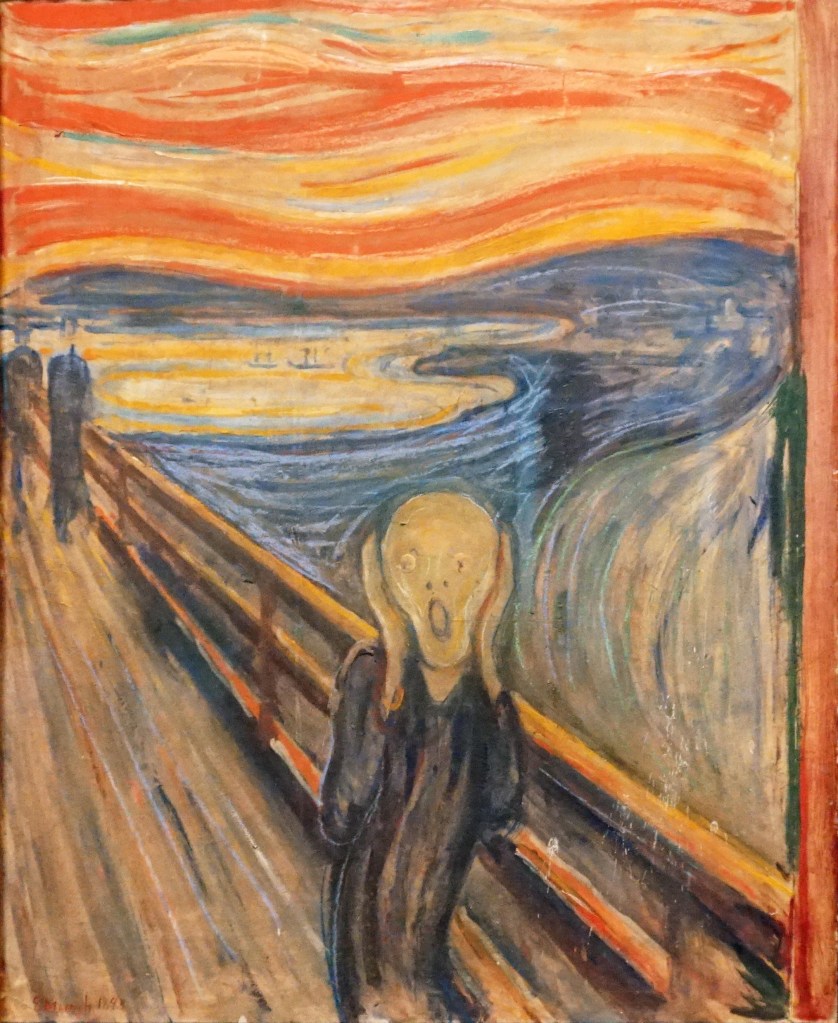
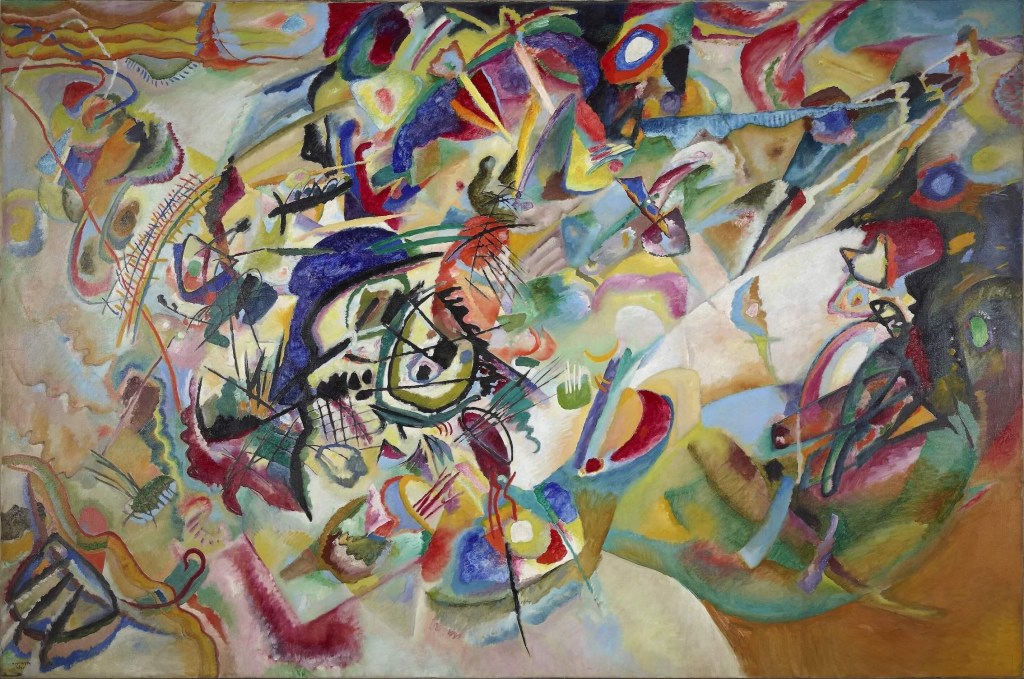
Expressionism was influenced by the social and political upheavals of its time, including rapid industrialization, urbanization, and World War I. Its emotional intensity and experimental techniques influenced later movements, including Abstract Expressionism, and extended into literature, theater, architecture, and cinema.
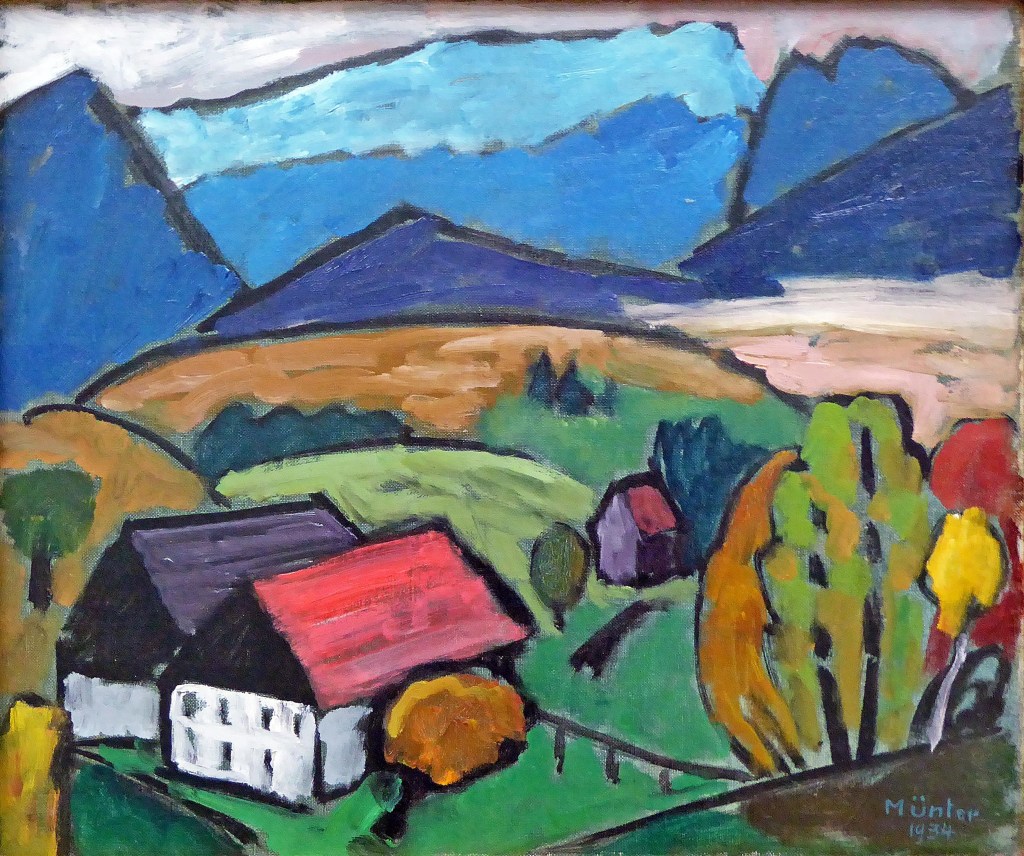
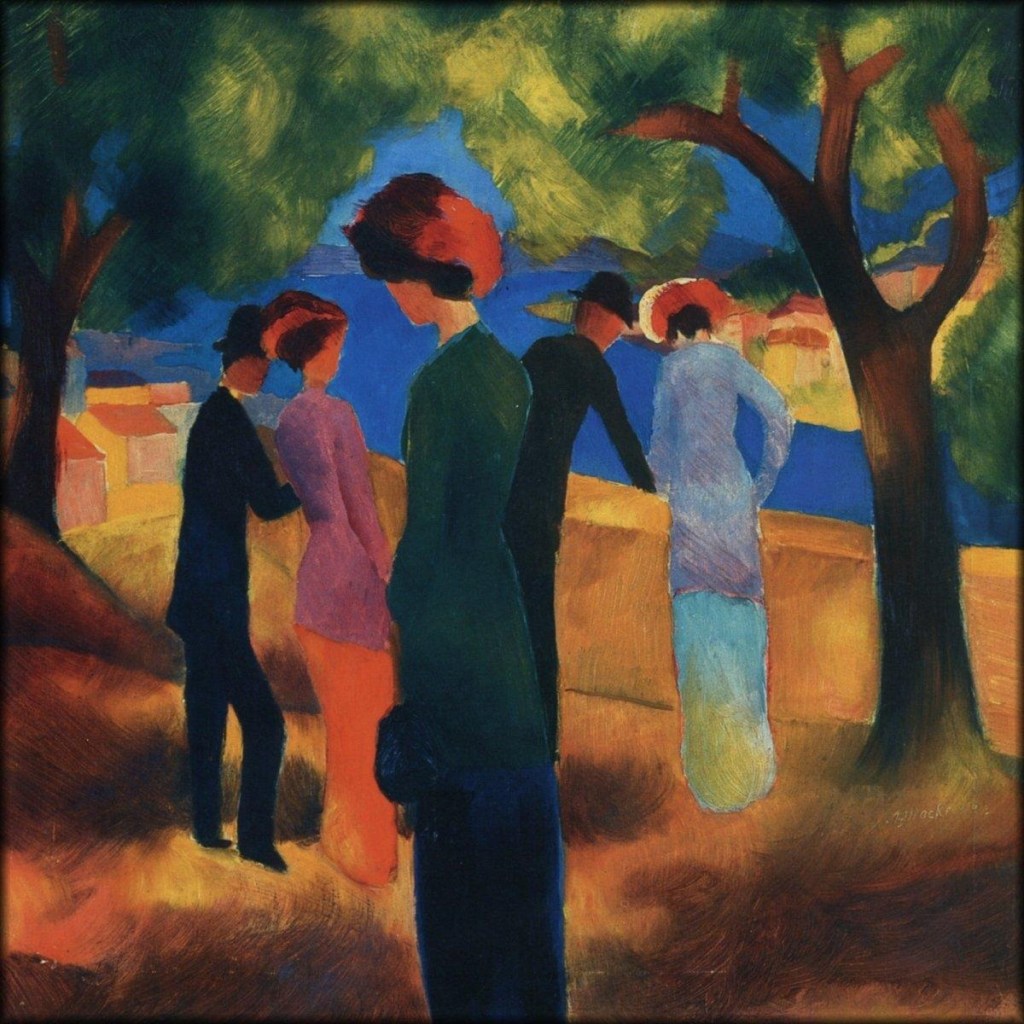
Expressionism forever changed art by placing emotion above realism, inspiring generations of artists.


Leave a Reply